
Croze-Granier
It can sometimes be difficult for us to find new producers in well-established regions like the Rhône Valley, where land and wineries are passed down generation after generation. It often feels as though every stone has been turned and every great producer discovered. That’s why our Portfolio Manager, Celia, was over the moon when she stumbled upon the delightful wines of Domaine Croze Granier at a small corner booth at Wine Paris—and realized they weren’t yet imported into the United States.
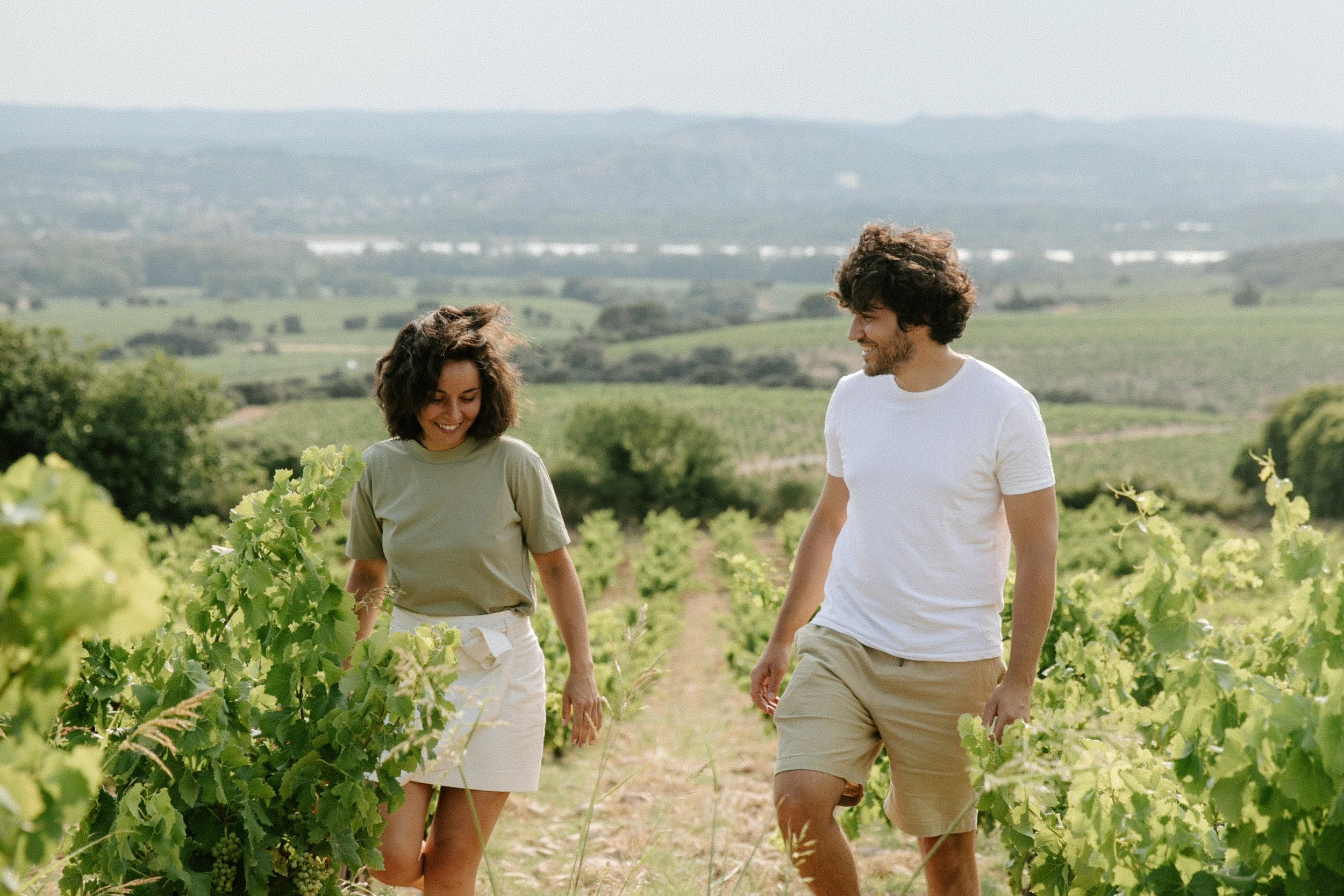
Domaine Croze Granier may be new to the U.S., but they are certainly not new to winemaking. The Granier family has been producing Châteauneuf-du-Pape, Lirac, and Côtes du Rhône since 1895. Today, the estate is led by Mathilde Cobbi-Granier, who represents the sixth generation of family winemakers—and the third consecutive woman to guide the domaine.
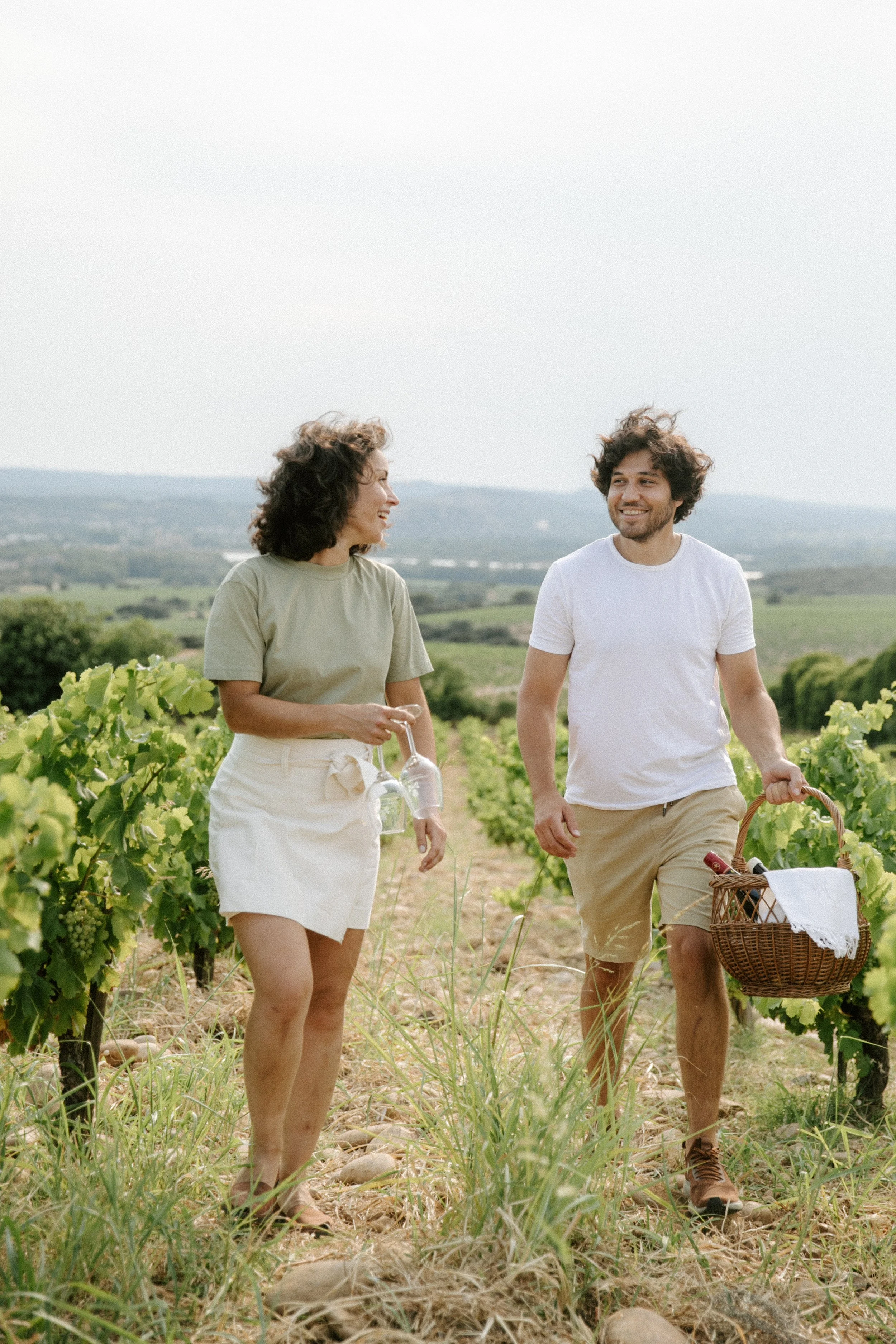
Mathilde hadn’t always planned to take over the family estate, but in 2022 she felt called to bring new life to the winery. Leaving behind a chic life in Paris, she and her husband, Xavier, returned home to fully embrace the family business. With the support of their families, neighboring winemakers, and loyal friends, Mathilde and Xavier produced their first vintage in 2023—a promising and generous debut that marked a new chapter for the estate.
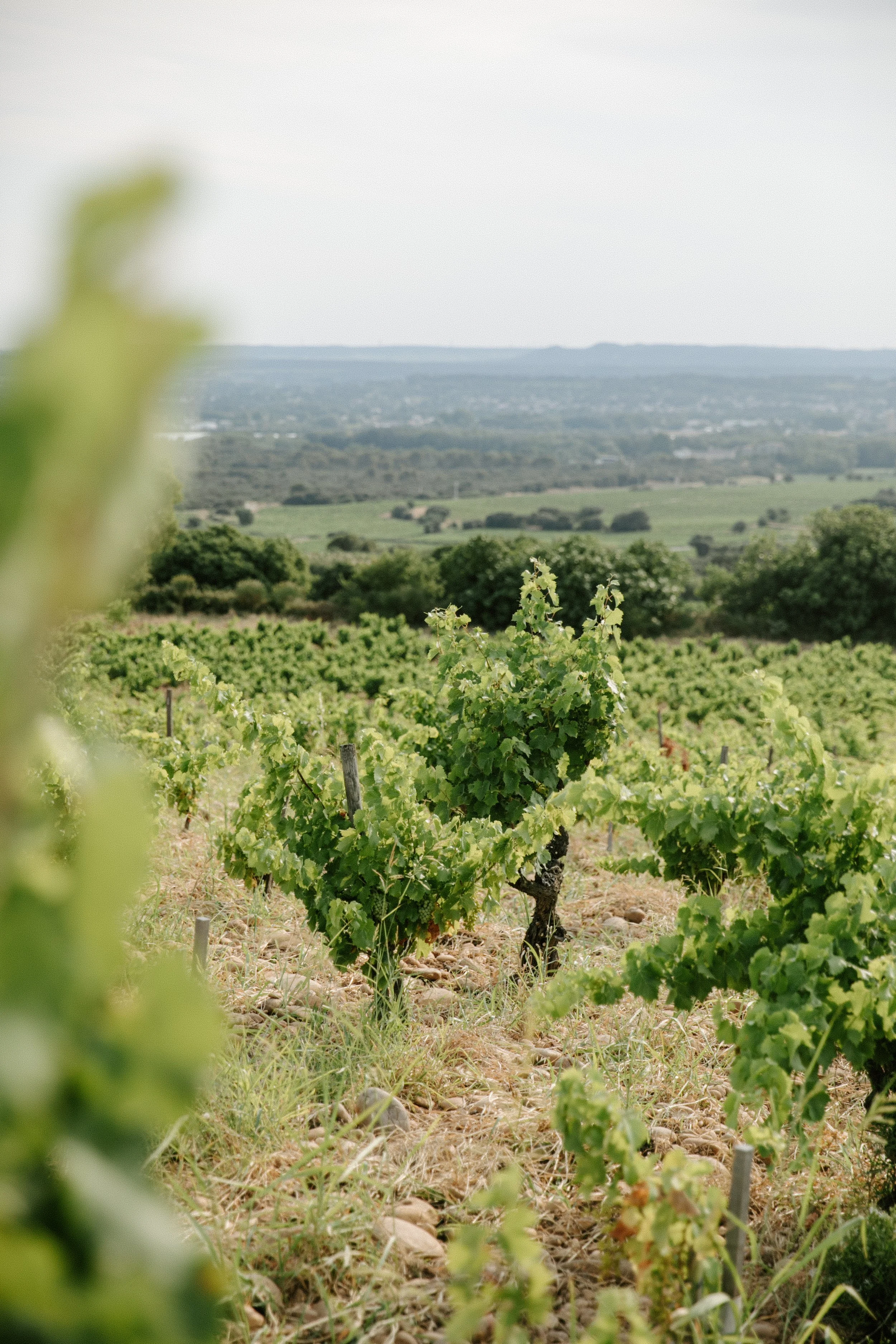
The domaine covers 15 hectares, farmed organically since 2008—well ahead of most producers in the region, who began converting several years later. The holdings include 4 hectares in Châteauneuf-du-Pape, 6 hectares in Lirac, and 5 hectares in Côtes du Rhône.
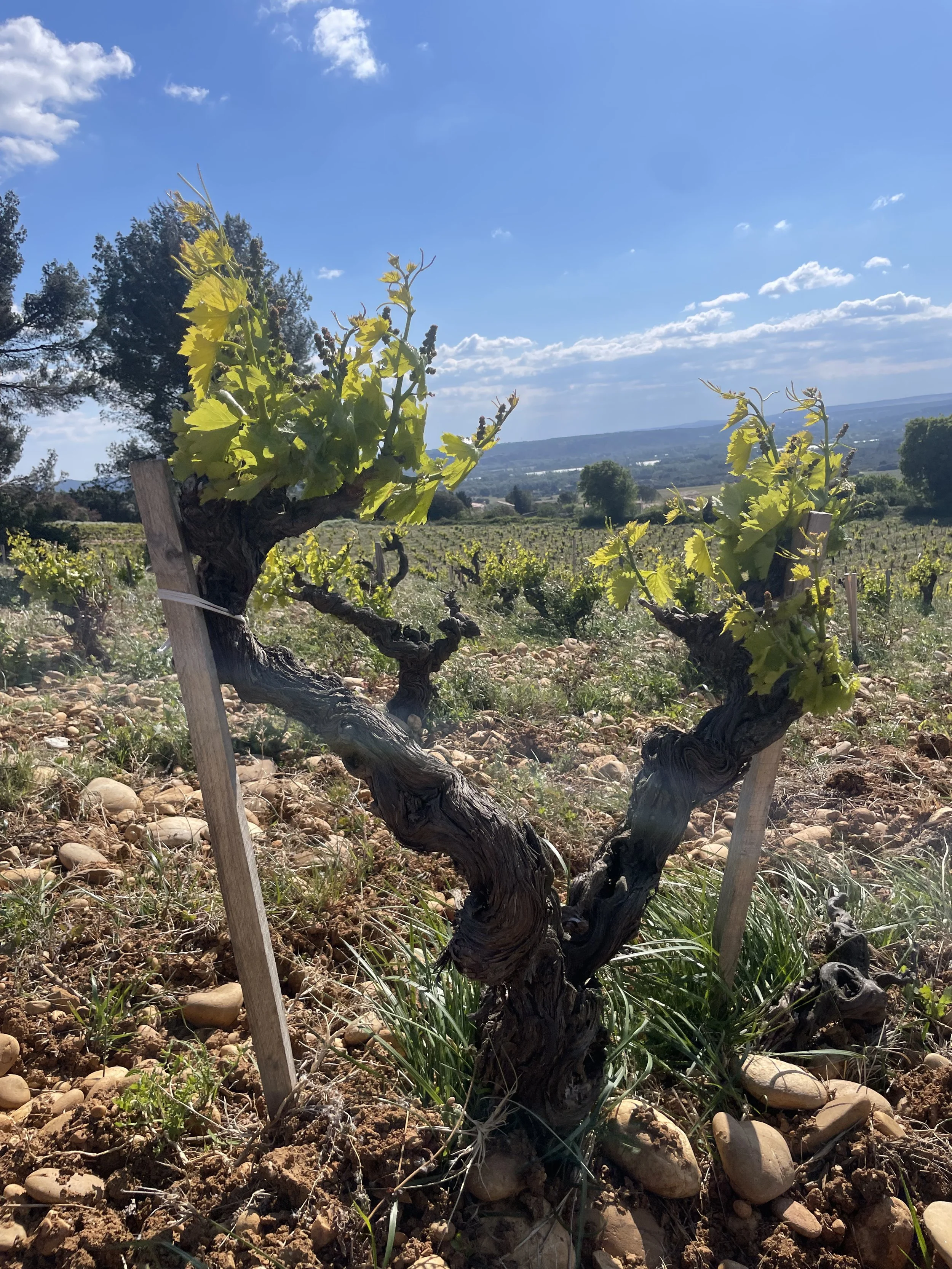
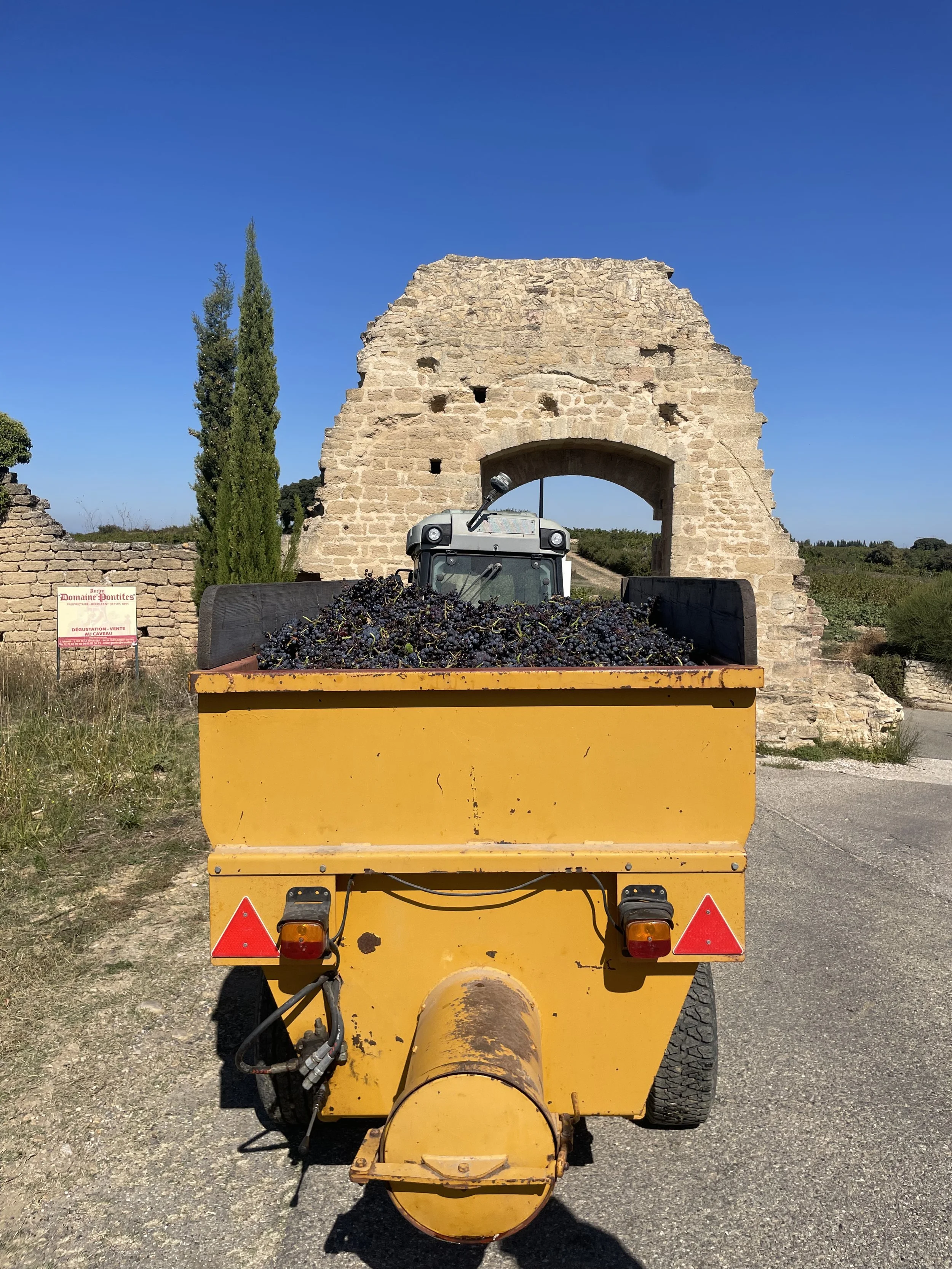
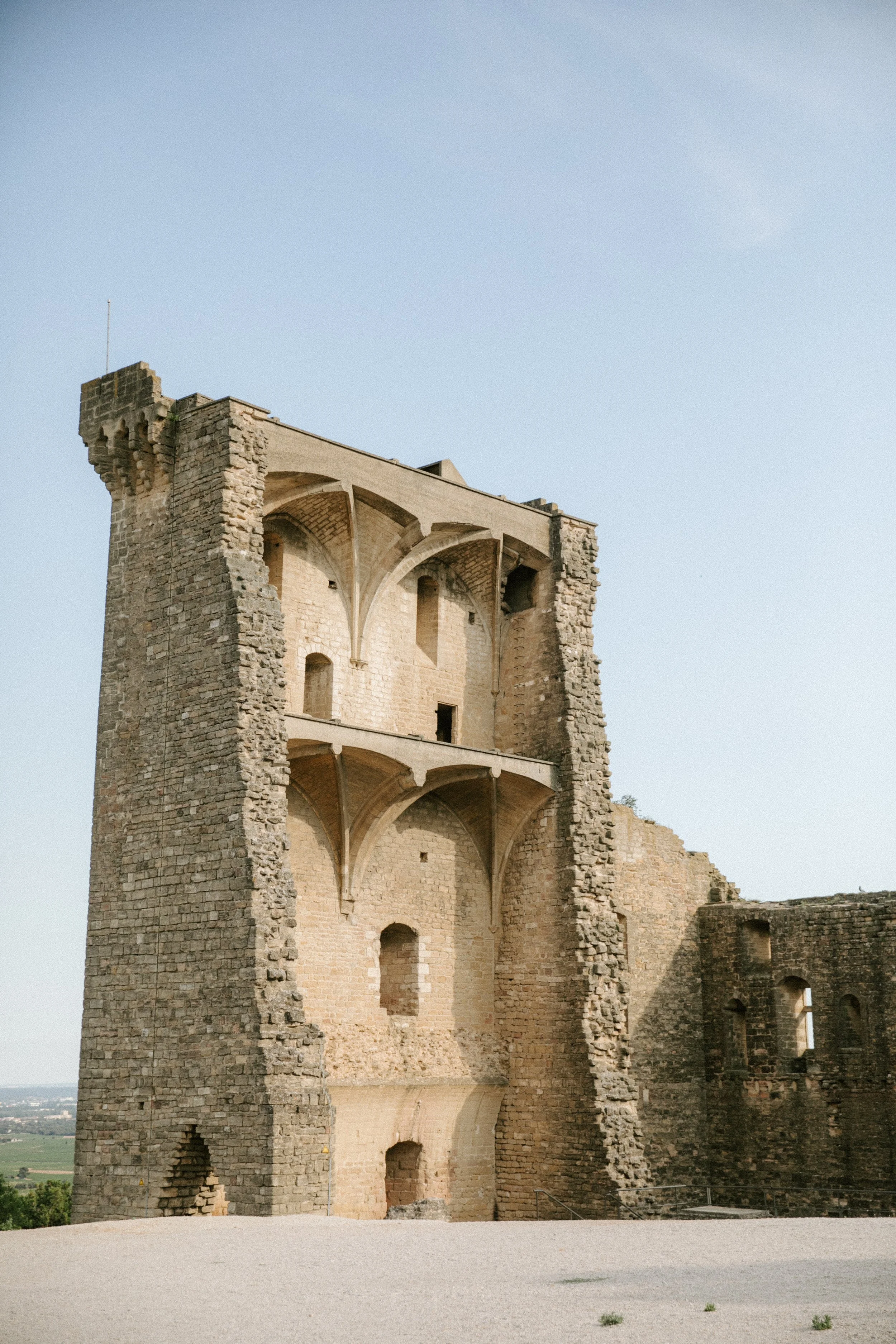
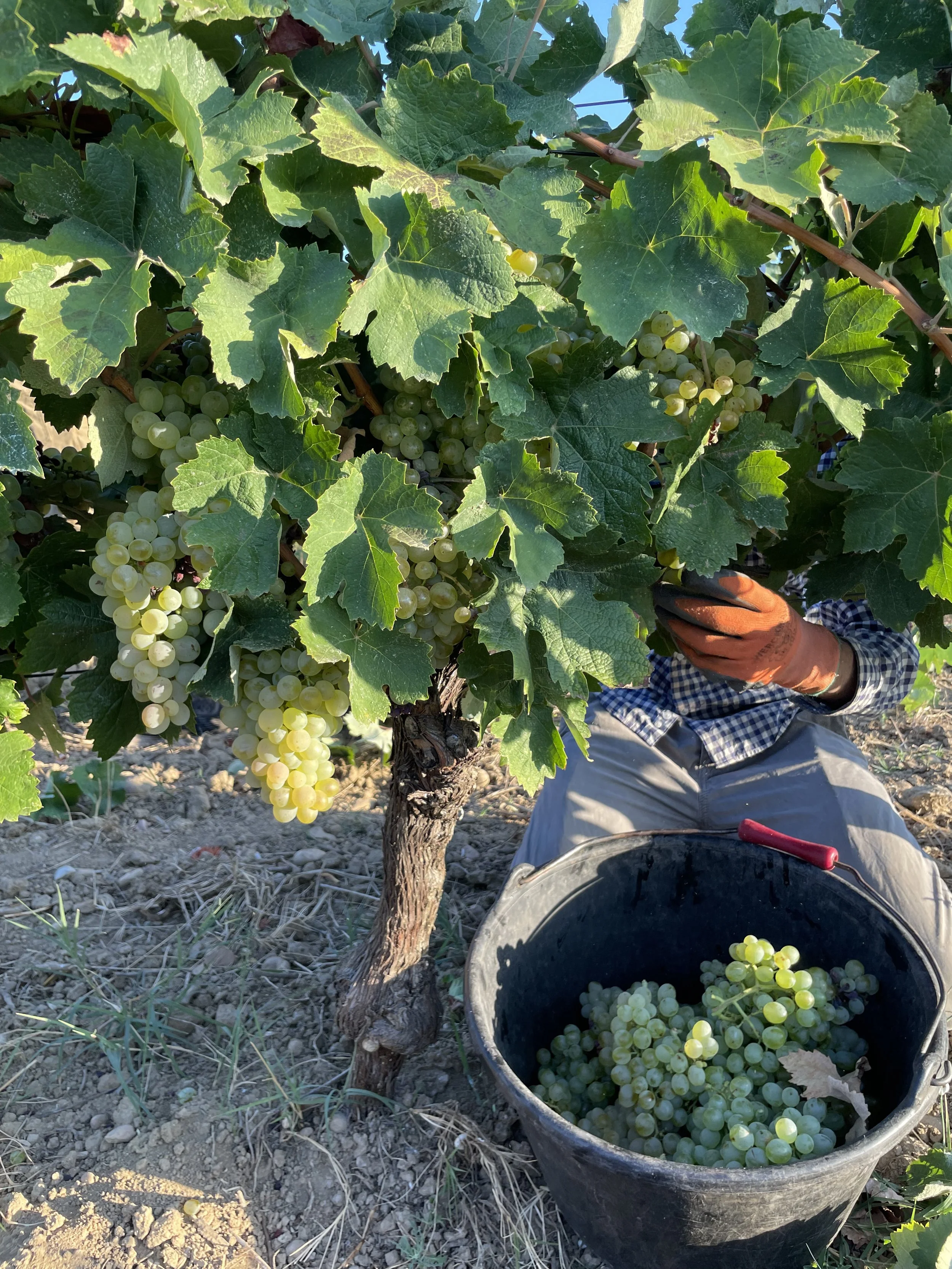
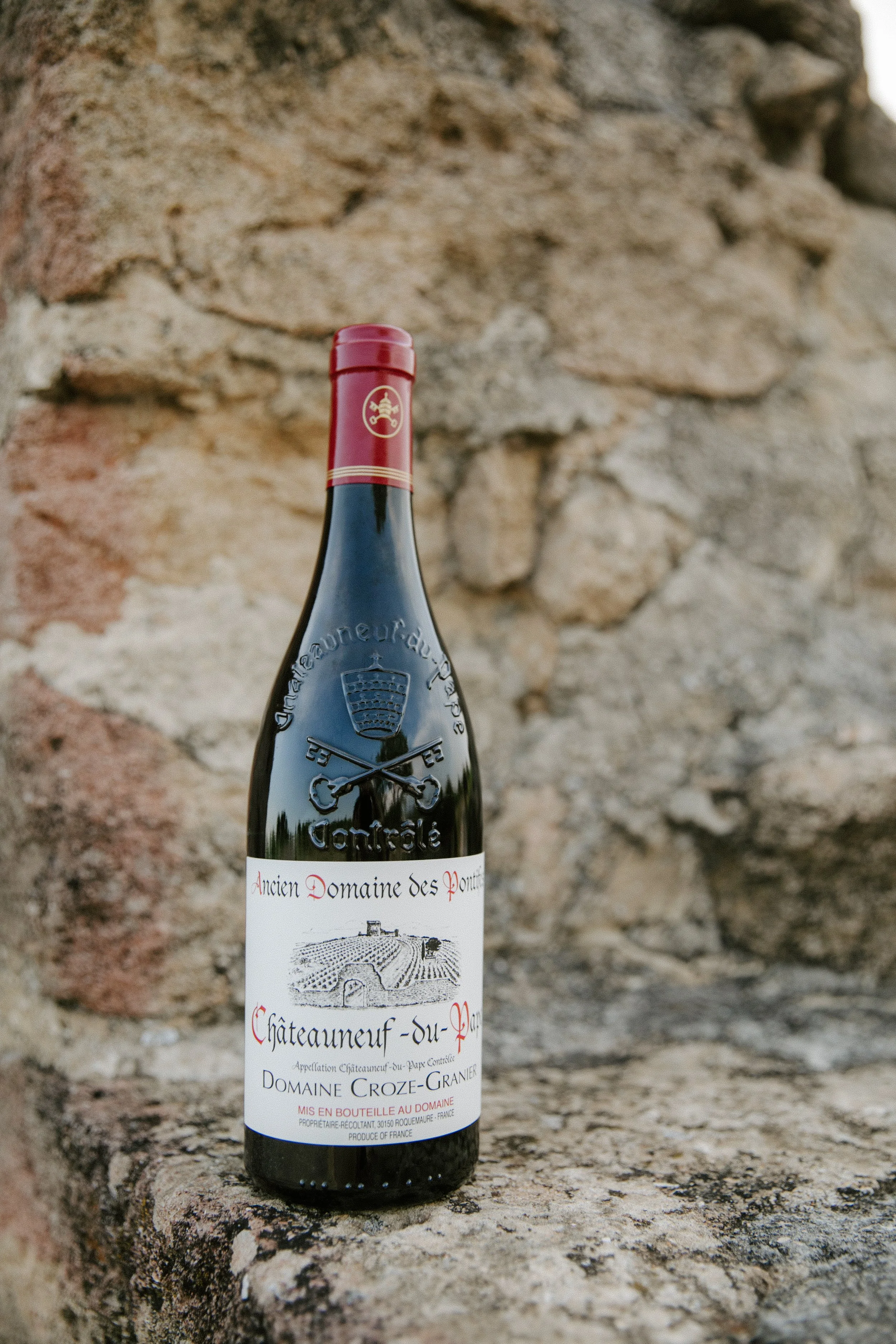
In Châteauneuf-du-Pape, special attention is given to the estate’s 100-year-old Grenache vines, which yield wines of great aromatic richness and depth. The family’s iconic plot, known as “Le Parc,” lies within the historic enclosure of the Pope’s castle and embodies the very essence of Châteauneuf-du-Pape’s terroir. The Graniers cultivate this plot entirely by hand to preserve the balance of the soils and vines. This site is a living piece of history: in the 14th century, the popes who summered in Châteauneuf-du-Pape tended the surrounding land and admired the sweeping views—from Mont Ventoux and the Dentelles de Montmirail on one side to the Rhône River and Palais des Papes in Avignon on the other.
When asked about the estate’s philosophy, Mathilde shared:
“We are deeply convinced of the richness of our terroir, and we do everything possible to respect and preserve our natural ecosystems. We have eliminated all chemicals from the vineyards since 2011, believing that the vine flourishes best in a healthy environment. Spring awakens not only the vines but also the fauna—from rabbits to spiders—signs of a living, balanced ecosystem. In autumn, we enrich the soils with compost; in winter, the prunings are shredded to nourish the earth. These organic materials, aided by rain, infiltrate and enrich the soil with nitrogen that the vines will absorb. Starting next year, we also plan to let sheep graze our plots—a new step toward even more nature-friendly viticulture.”
While the vineyards are at the heart of her work, the cellar tells another part of the story. Located in Roquemaure, at the foot of the limestone cliff called l’Escatillon, the winery benefits from a naturally cool environment—ideal for both fermentation and long-term cellaring. Grapes are sorted directly in the vineyard, then brought to the cellar where reds ferment in concrete tanks and whites in stainless steel. The porosity of concrete allows gentle micro-oxygenation, preserving the wines’ acidity and freshness—qualities prized in this sunny region. Fermentations last two to three weeks, with careful pump-overs depending on each cuvée’s needs and the characteristics of the appellation.
The Châteauneuf-du-Pape reds are aged in stainless steel for about 12 months to preserve fruit purity and soften tannins. The Lirac wines are bottled within the year, while the Châteauneuf-du-Pape Blanc is aged in three-year-old barrels, gaining delicate notes of vanilla and candied fruit. Sulfites are used sparingly—only to stabilize the wines at the end of fermentation and during bottling.
We think the wines are outstanding—bright, elegant, and true to their terroir. We’re deeply grateful that Mathilde chose to leave her life in the city to carry forward the honored traditions of her family, while bringing her own spirit and vitality to the domaine. We’re proud to share her wines and support her as she continues to breathe new life into this historic estate.
The Wines
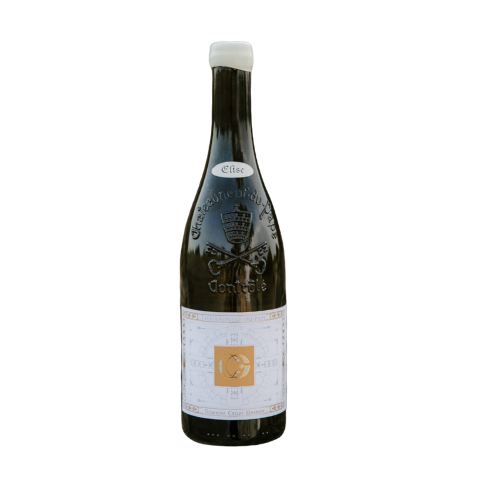
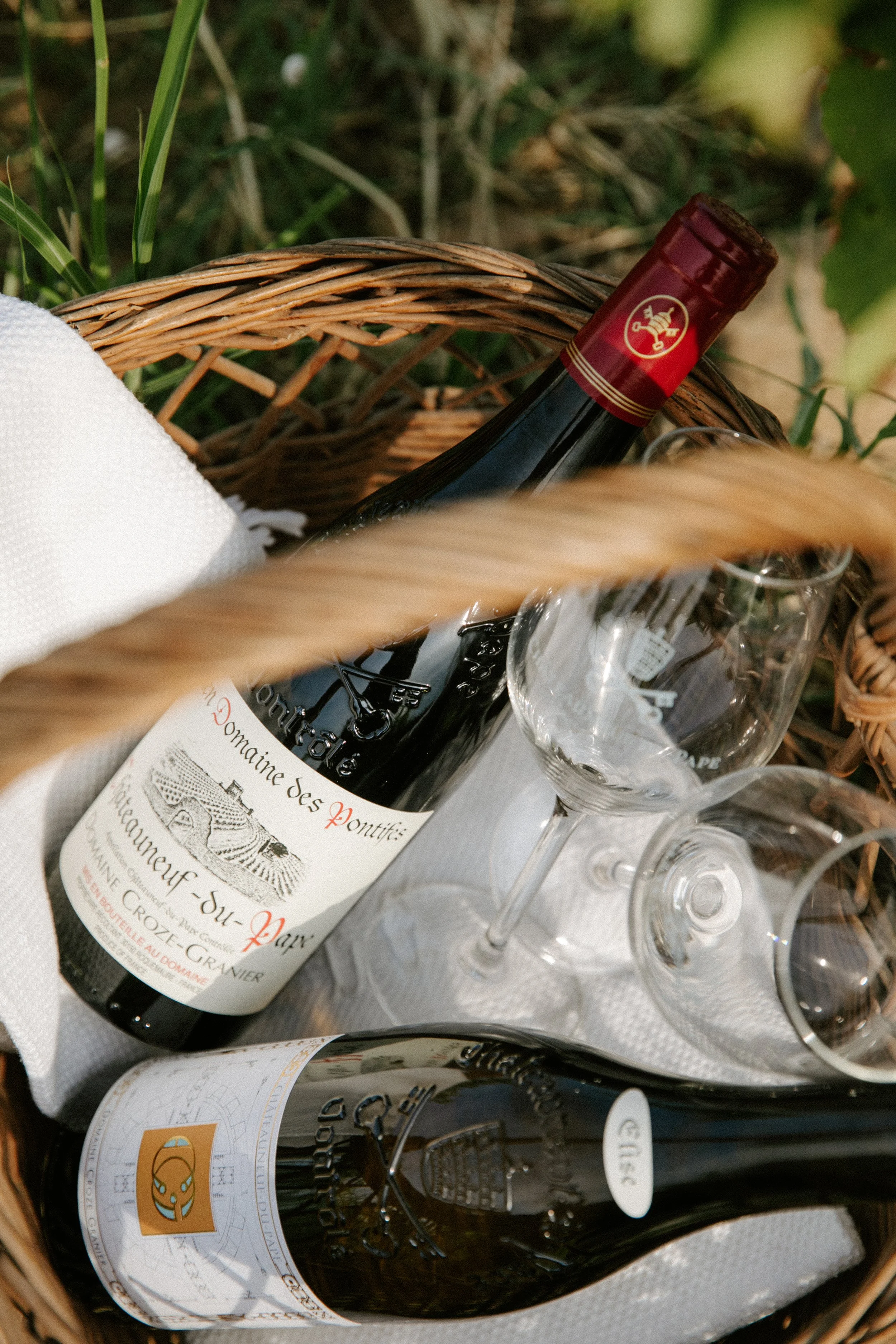
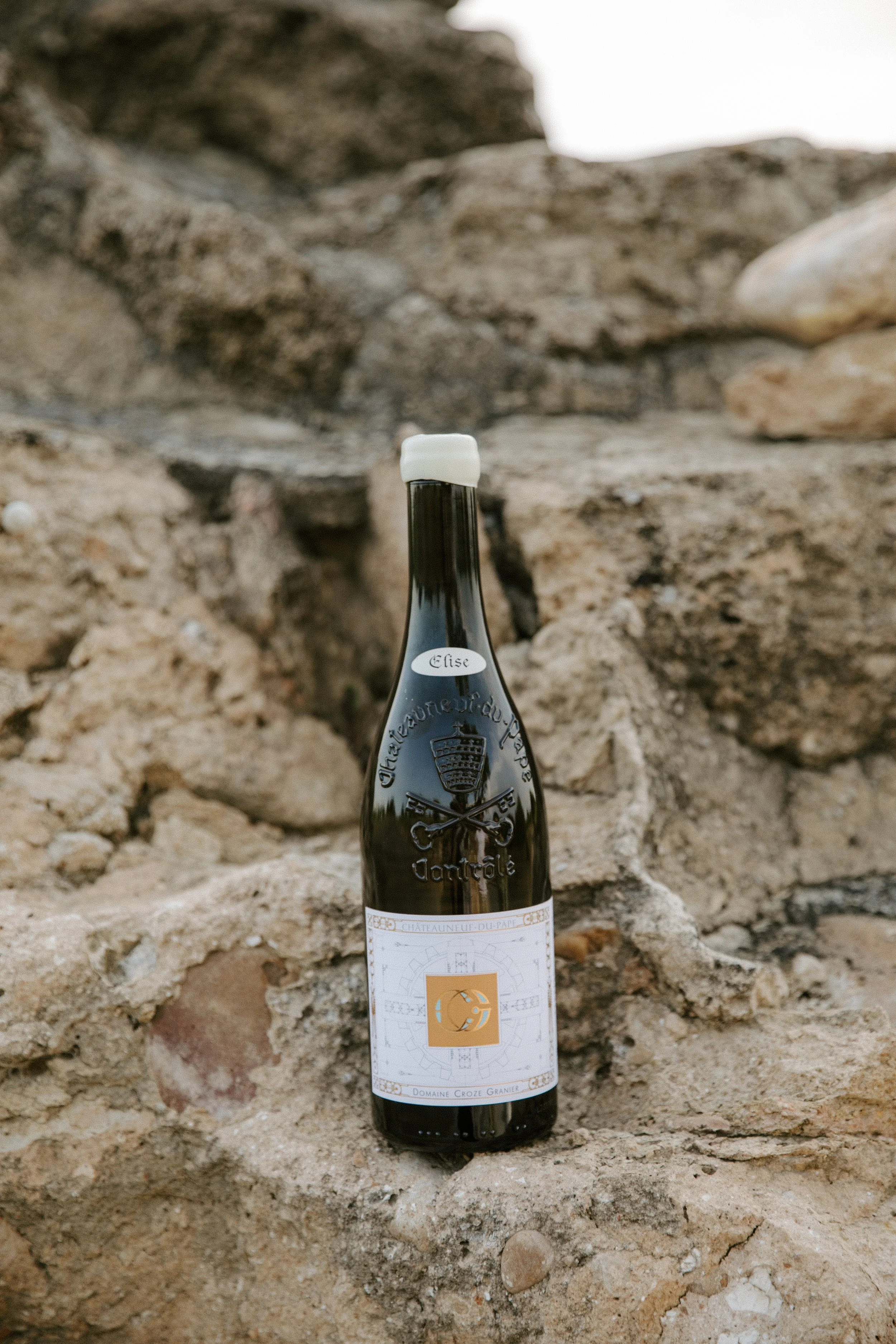
Châteauneuf-du-Pape Blanc
Elise
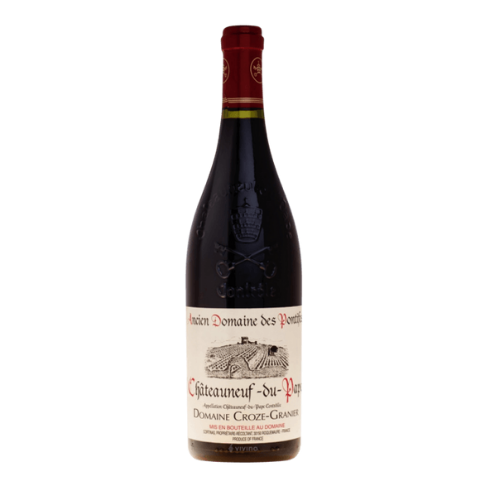
Châteauneuf-du-Pape Rouge
Les Ancien Pontifes
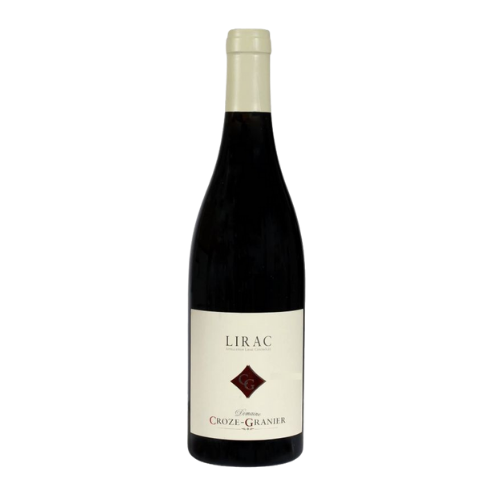
Lirac