The Small Victories team has always loved championing new outlooks in established regions. We are drawn to young winemakers and the next generation of leaders who push against the status quo and speak in a different voice. At the same time, we find something equally compelling and deeply important when people choose to look backward in order to preserve traditions that are quietly disappearing. This is exactly what led us to working with Stephanie and Roberto of Lasorte Cuardra.
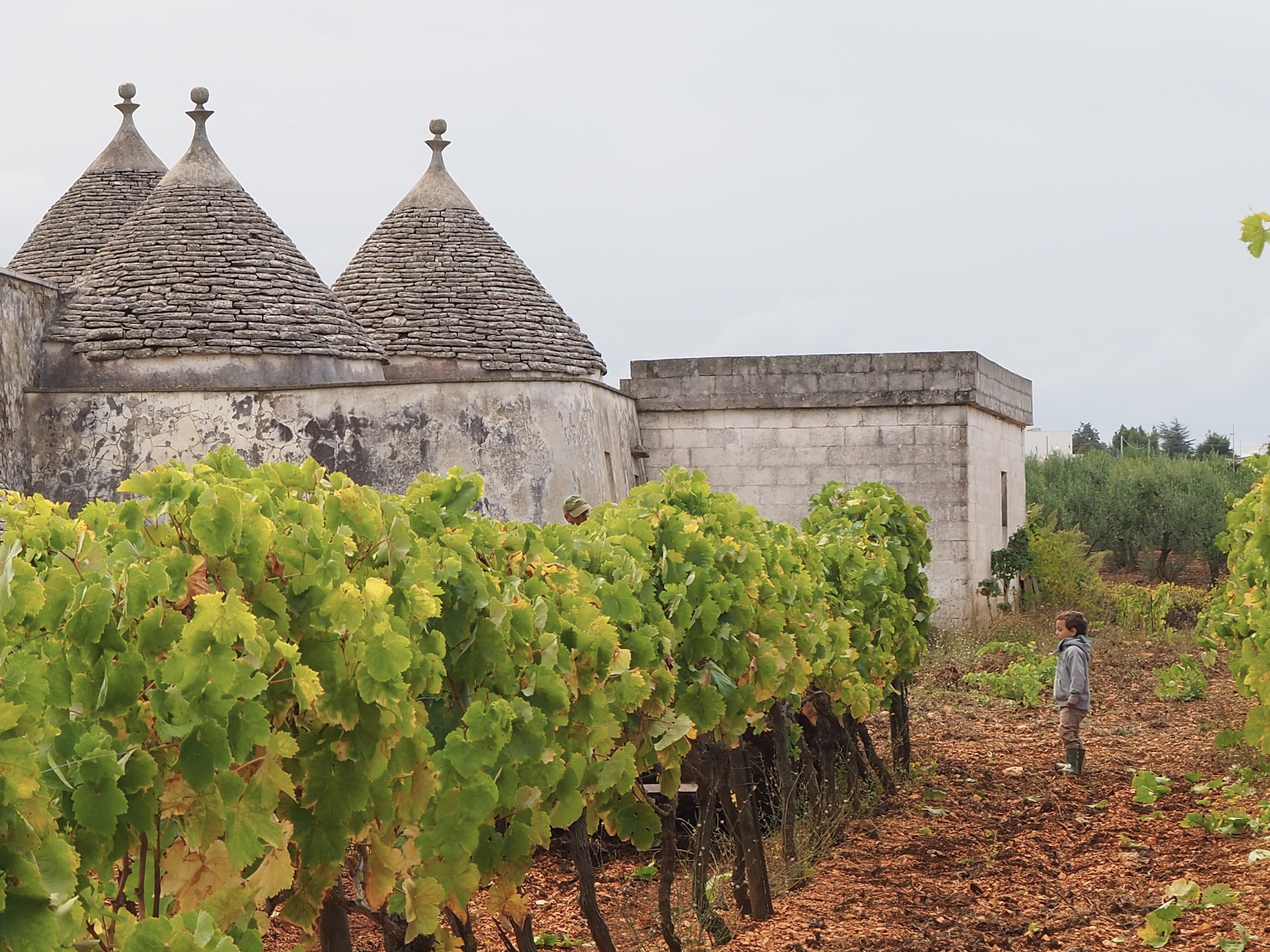
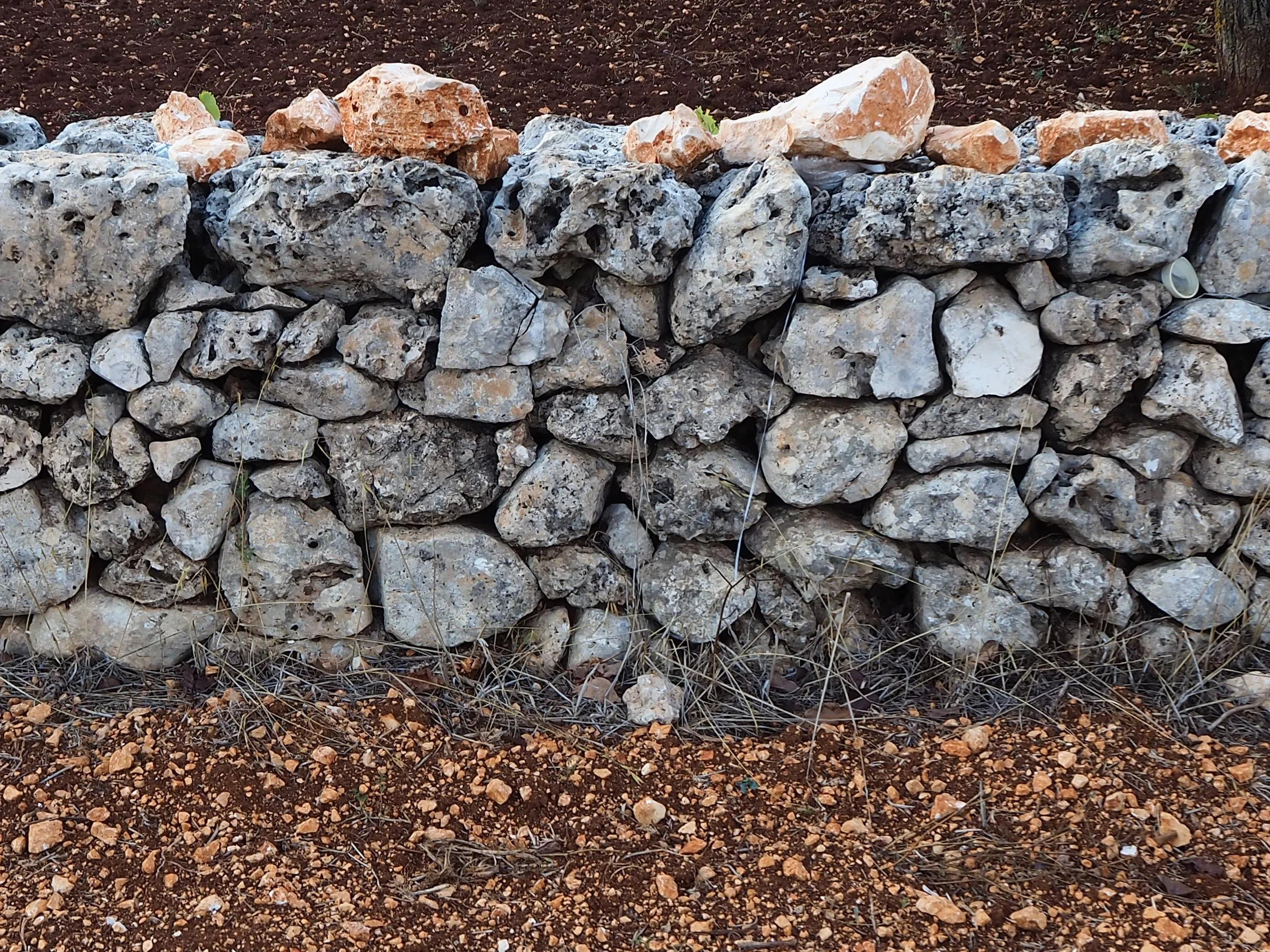
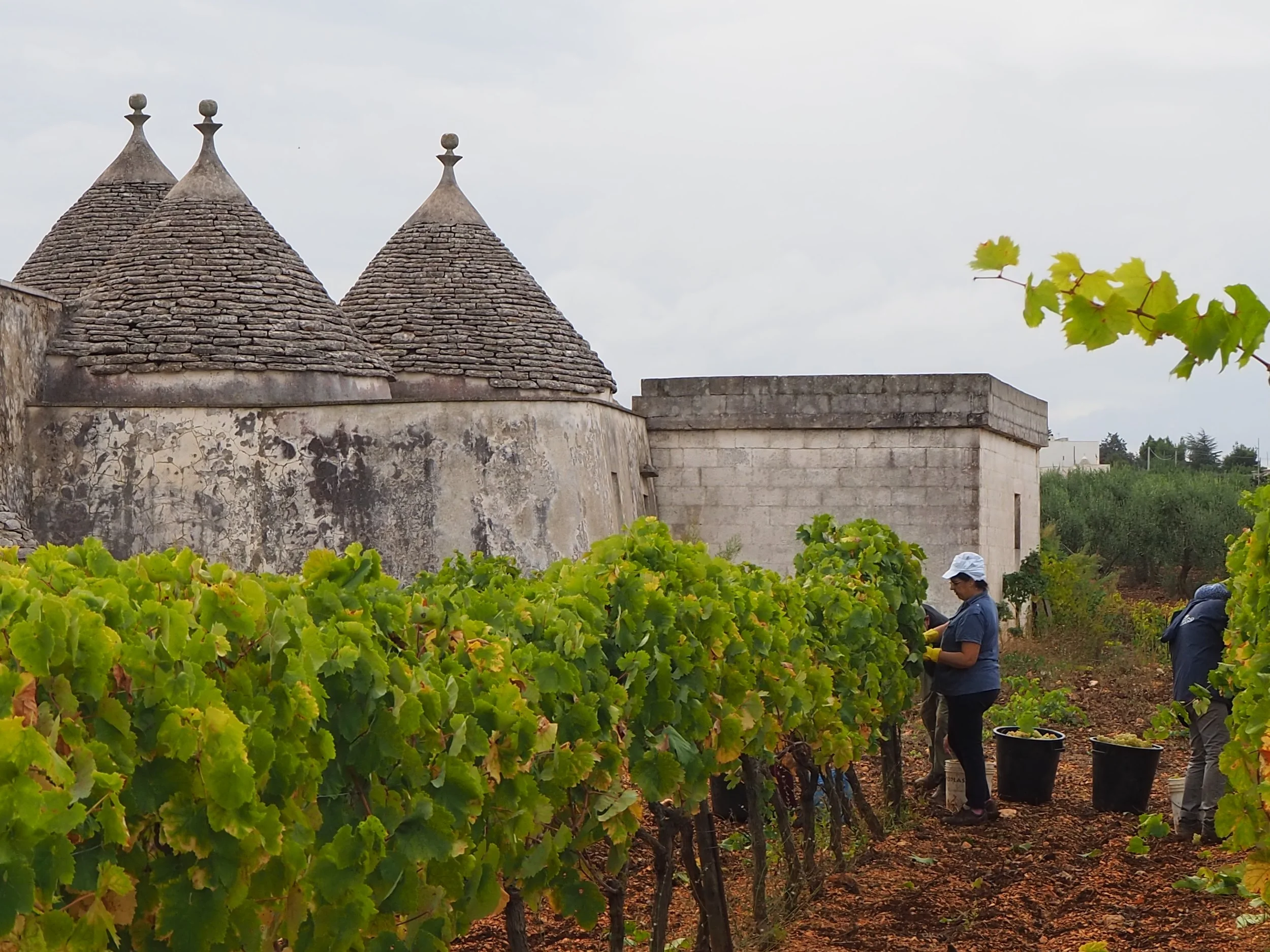
The Valle d’Itria in Puglia was once a landscape defined by small farming families. Nearly every household tended its own vines and brought fruit to local cooperatives where wine was made to sustain the family through the year. As time passed and the promise of opportunity in cities grew brighter, younger generations left their farms behind and many of these cooperatives closed their doors. Today, only one remains, the cantina sociale of Cisternino.
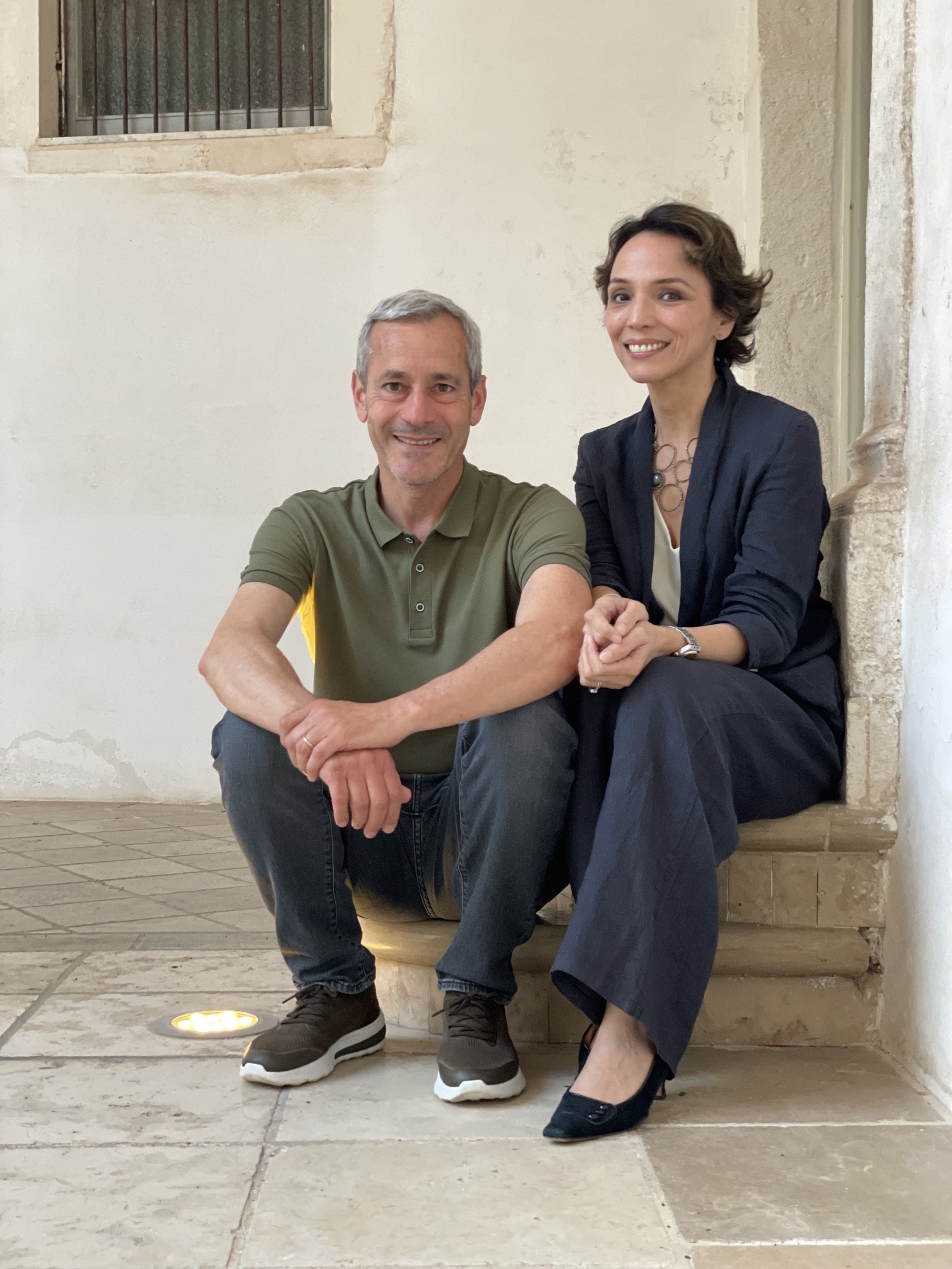
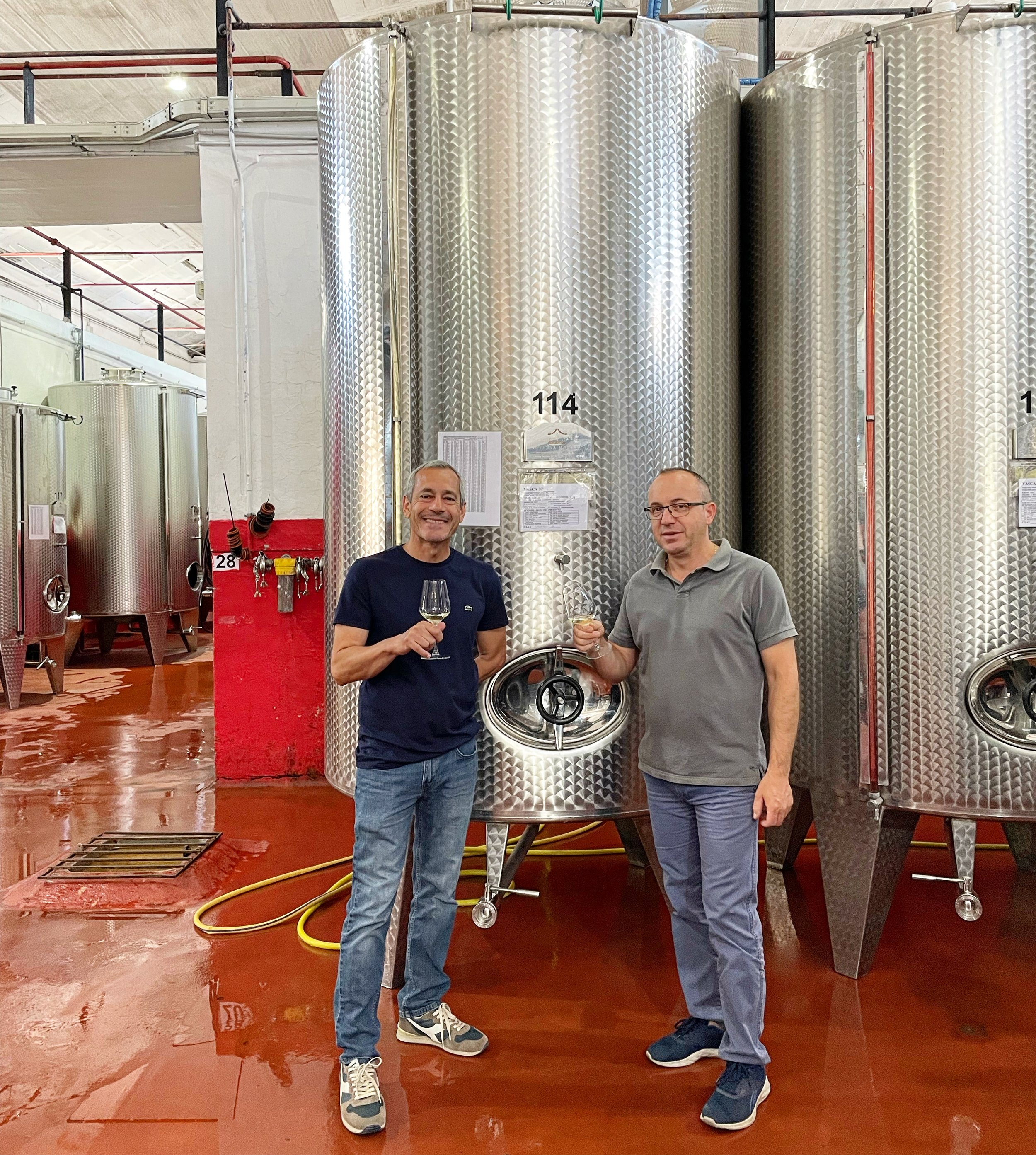
Roberto Cuadra is the CEO of Querciabella in Chianti Classico. His wife Stephanie was born in California and is the founder of Terrestoria Wine Imports based in Utah. Together they set out to preserve the traditions of the Valle d’Itria where Roberto spent part of his childhood. Both have deep roots in wine growing regions and share a clear understanding of how to honor history while creating wines that resonate with contemporary drinkers around the world.
In their own words, Roberto and Stephanie describe the heart of the project like this.
“From our commitment to small-scale farming and thoughtful winemaking to our relentless search for the most direct path from producer to consumer, we are preserving more than grapes and traditions. Everything we do reflects our faith in wine as one of the most profound forms of coalescence, between nature and people, and above all among people themselves.”
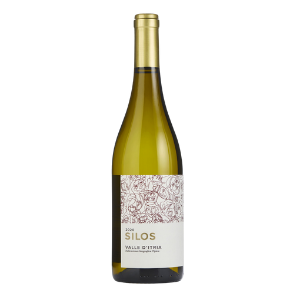
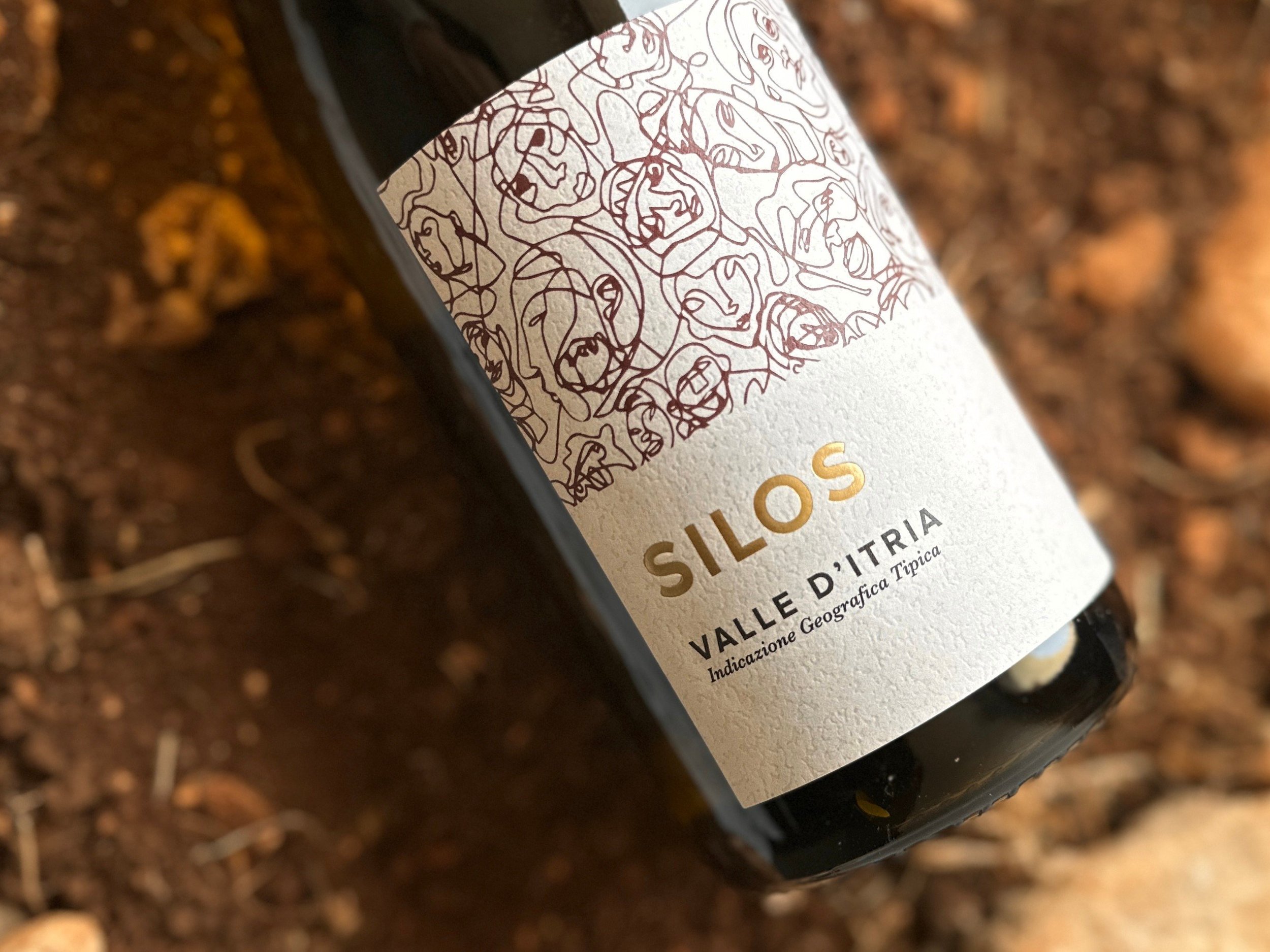
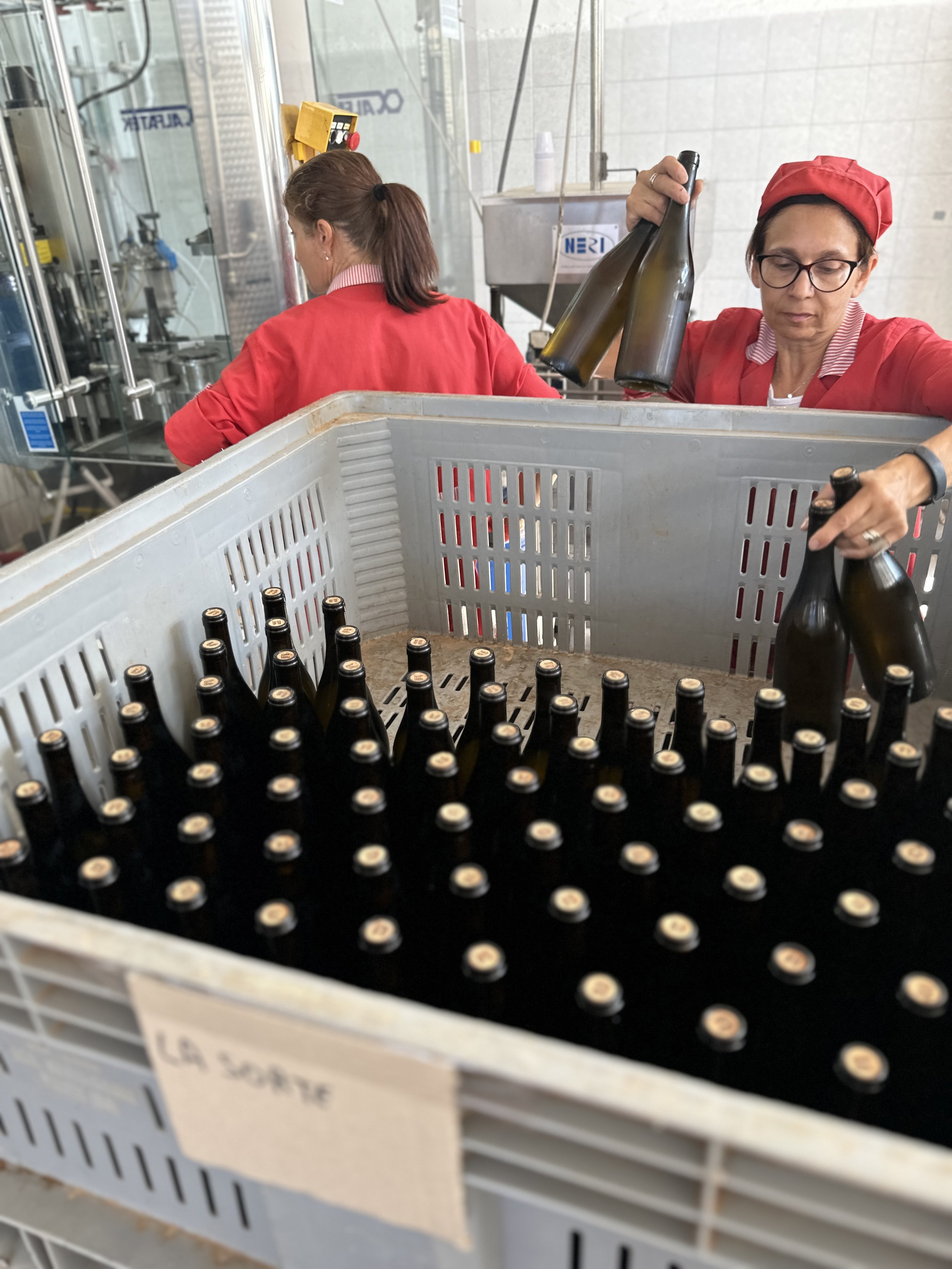
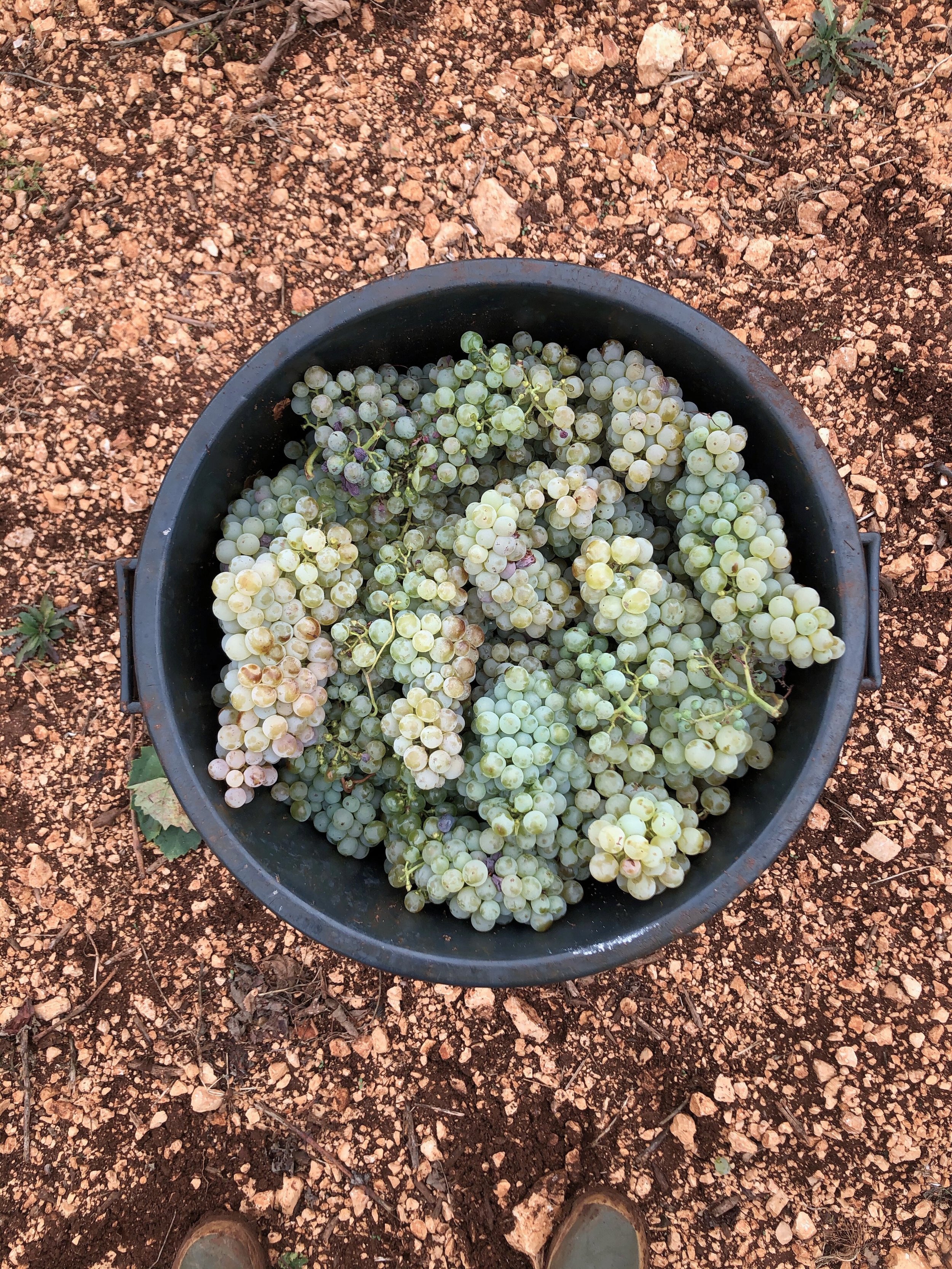
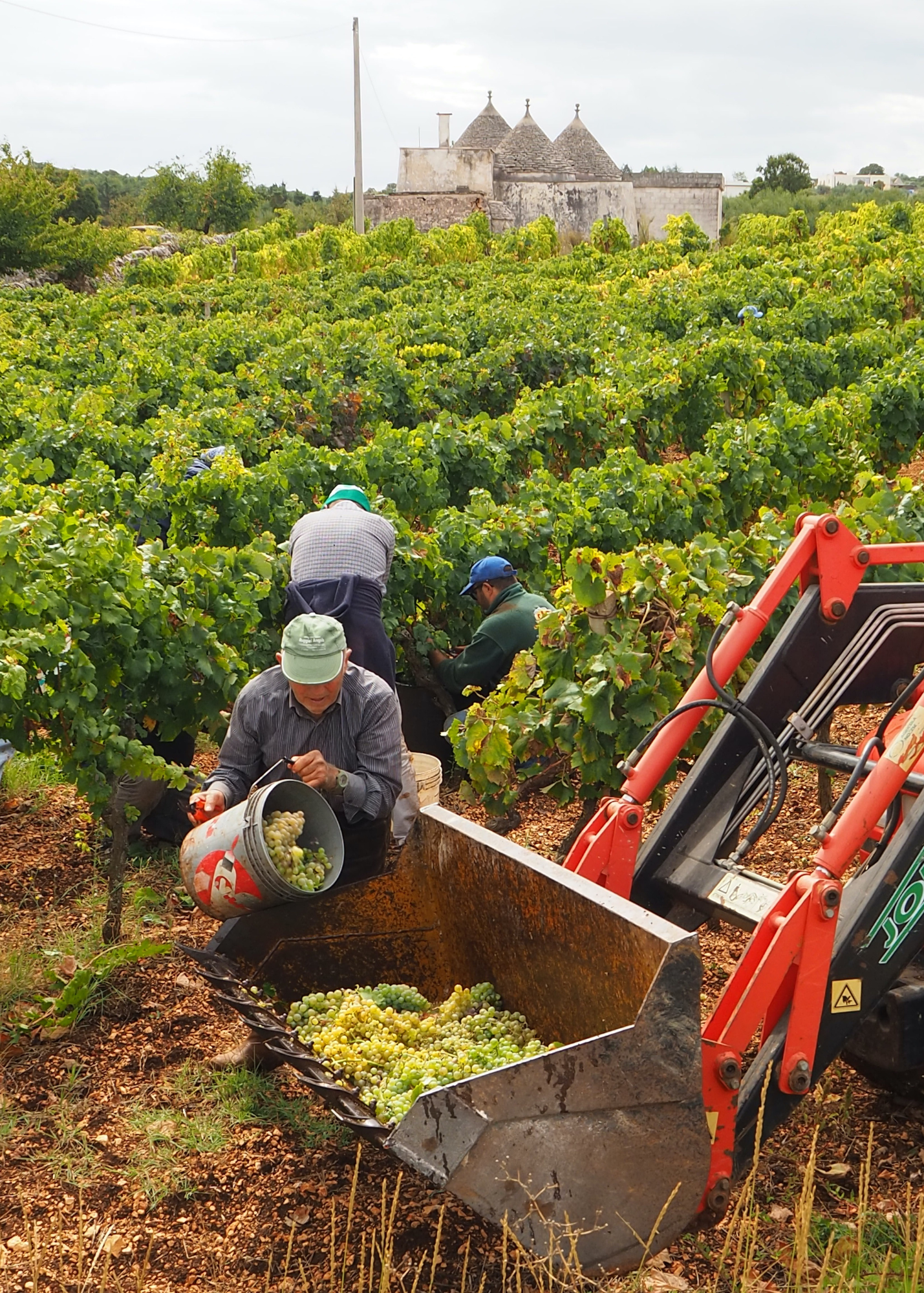
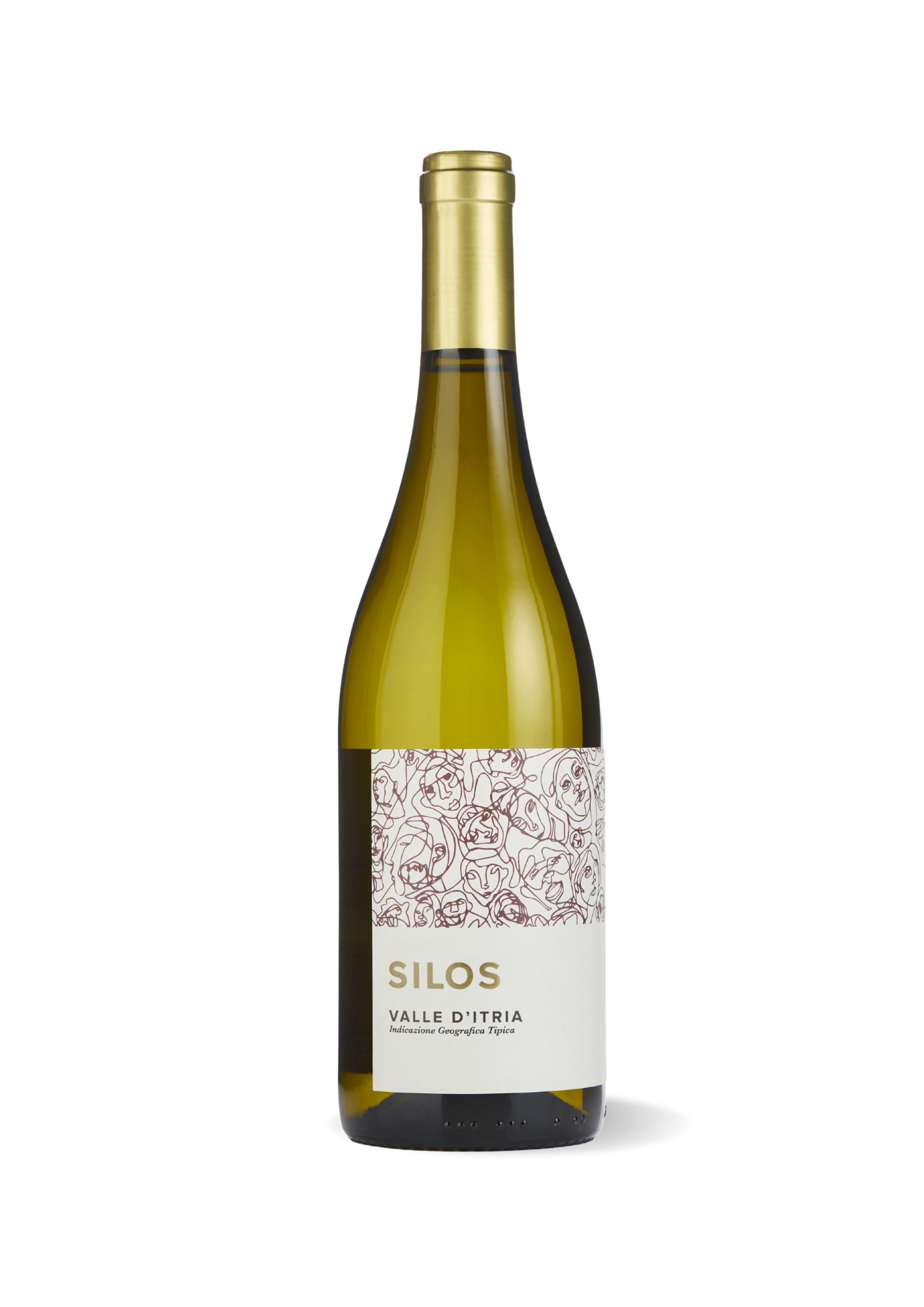
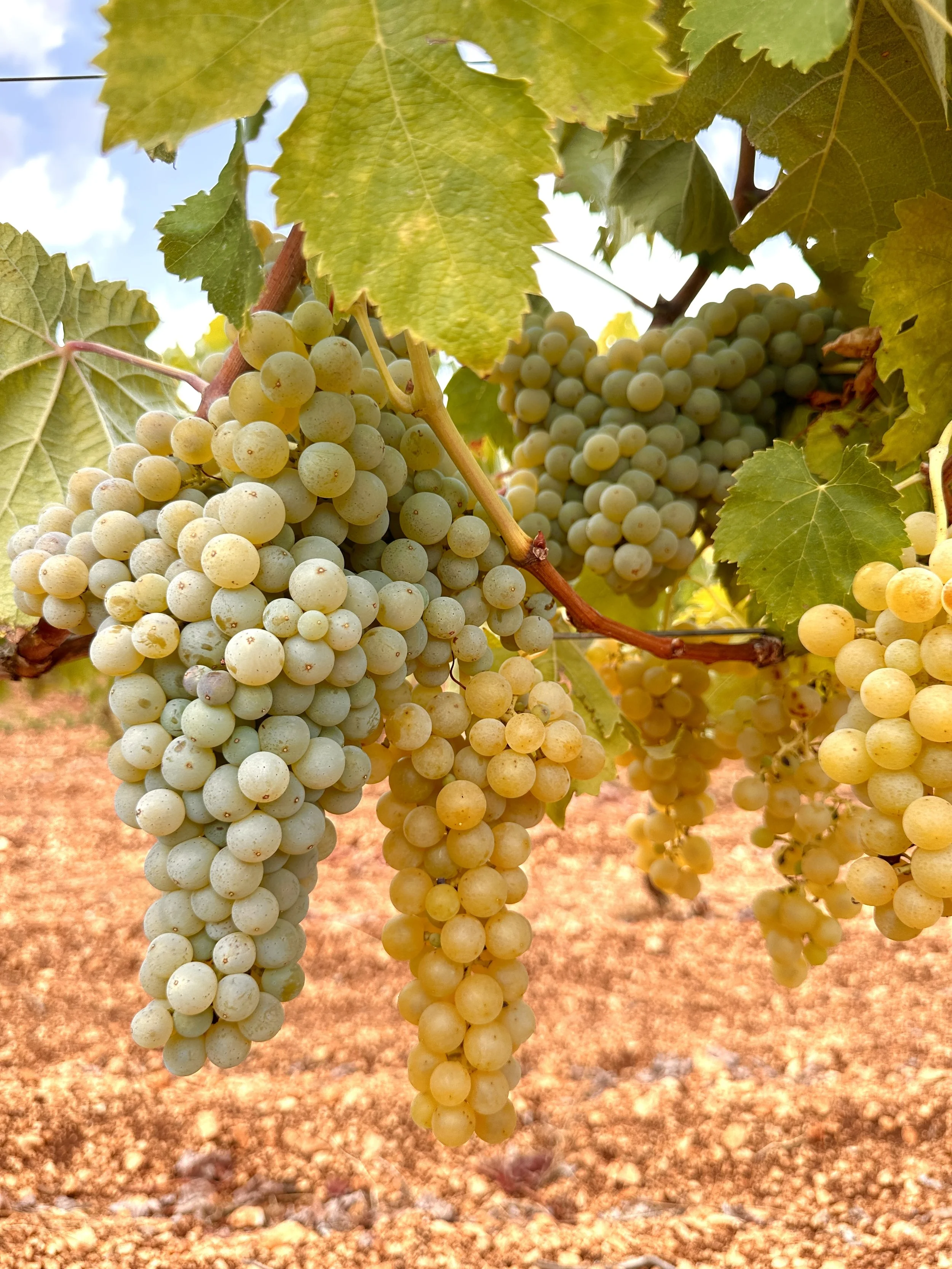
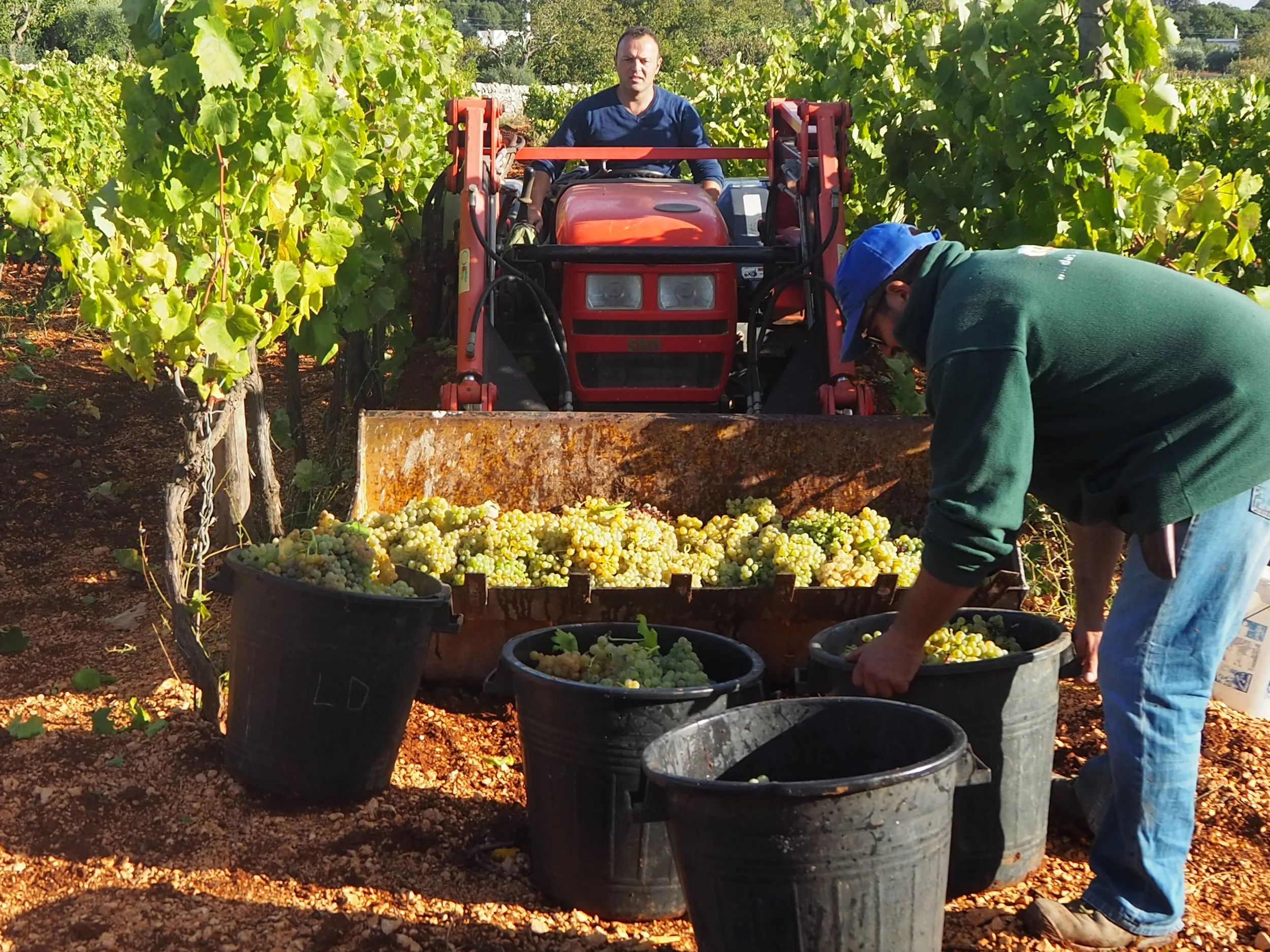
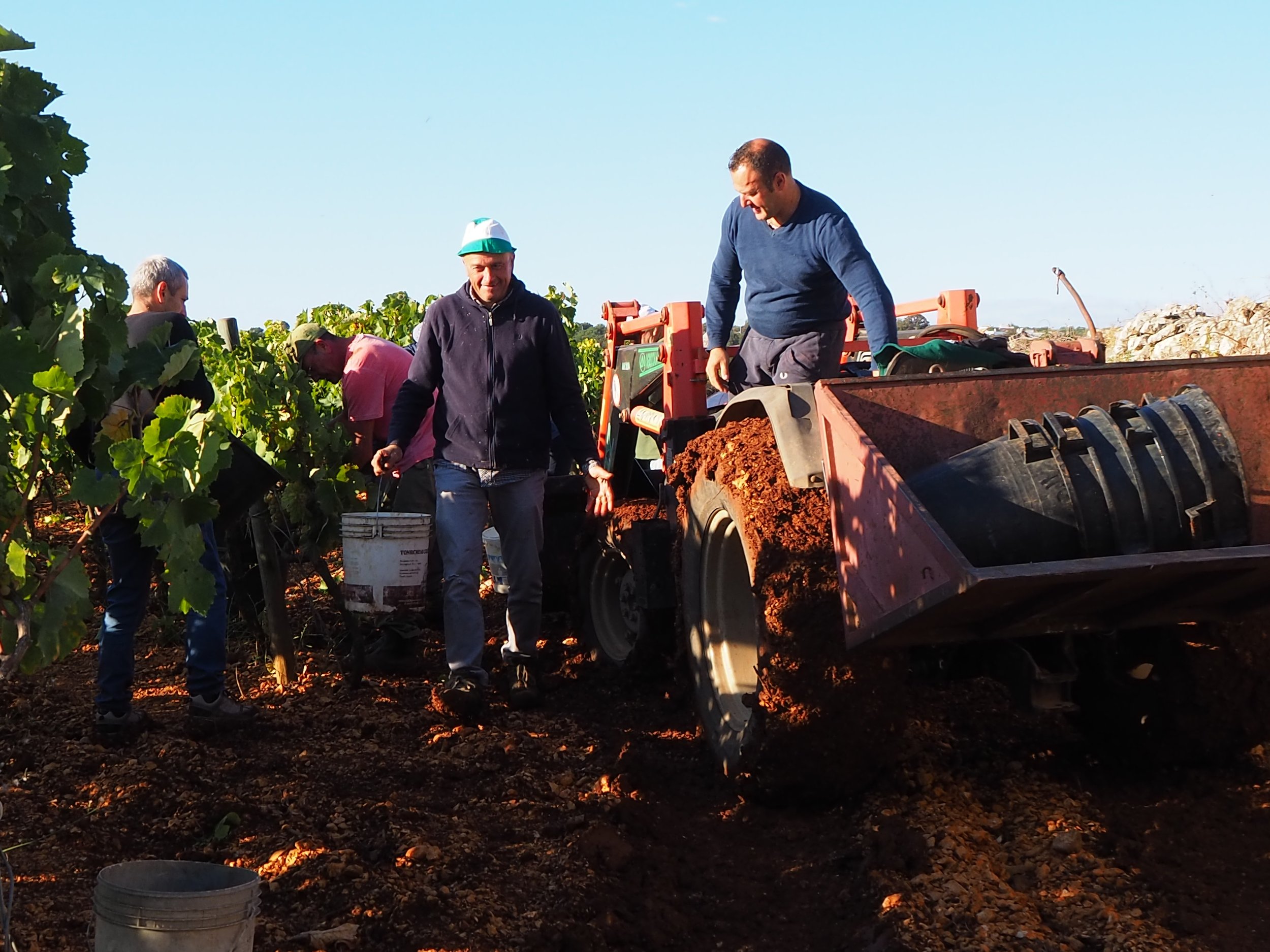
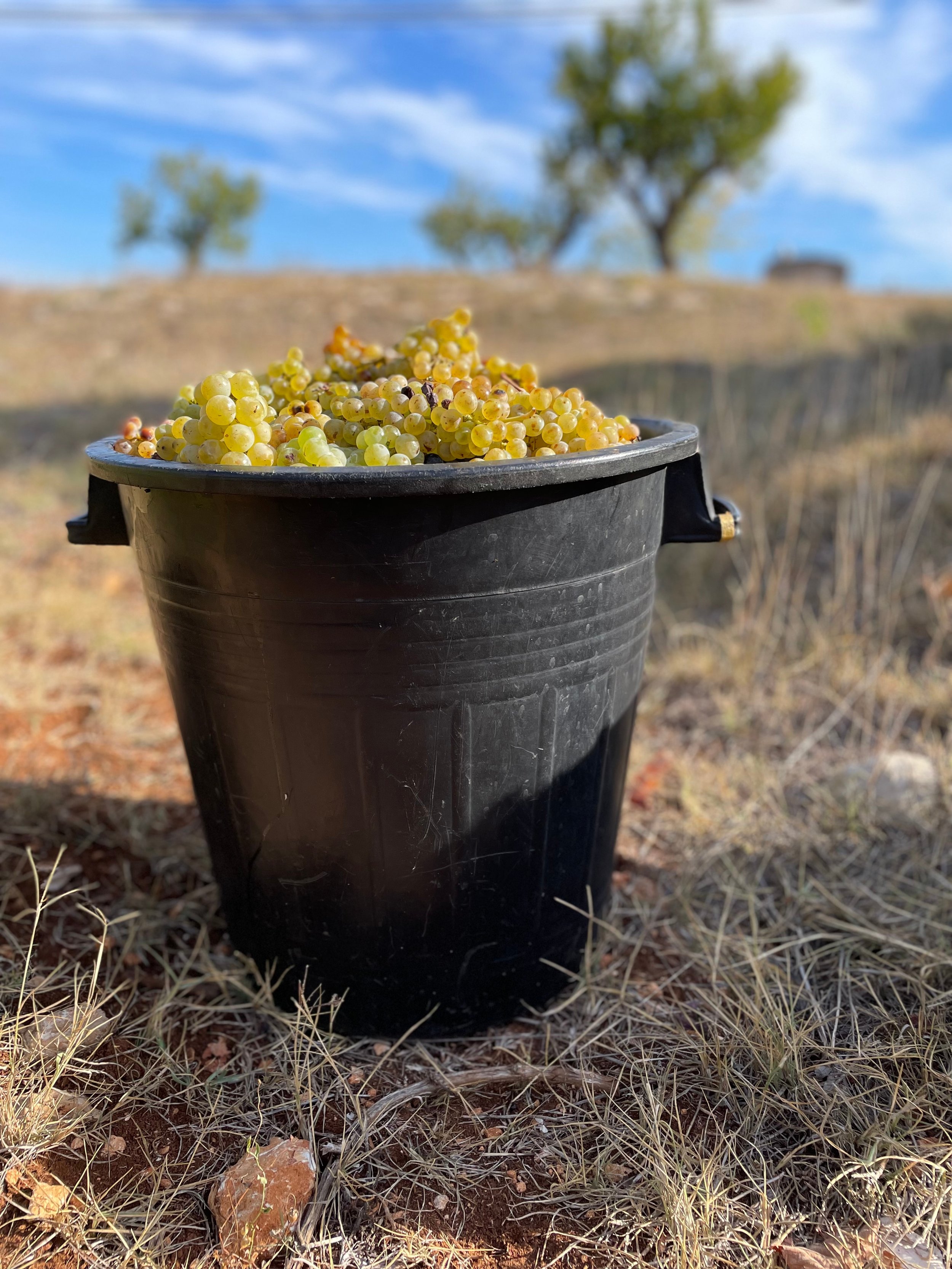
Silos is a field blend sourced from less than a single hectare in Contrada Carpari near the Baroque town of Martina Franca. The vines are trained in a vertical trellis system, a departure from the traditional bush trained vineyards of the region, but one that significantly reduces labor needs in an area where workforce is increasingly scarce. These small adjustments make it possible to protect native varieties while working within present day realities. All grapes are harvested in a single pass in late September, once Verdeca, Bianco d’Alessano, Minutolo, and Maresco have each reached optimal ripeness. After harvest, the fruit is brought to the cantina sociale of Cisternino, carrying on the cooperative tradition that once defined the Valle d’Itria, where the winemaking takes place. The approach in the cellar is intentional and restrained, with four days on skins, temperature controlled fermentation to preserve aromatics, followed by nine months on the lees in stainless steel for structure and texture.
The care behind this project is unmistakable in the bottle. We are always excited when Silos lands on our table, not only because of its mission, but because it is genuinely delicious. We are grateful to Roberto and Stephanie Cuadra for choosing a path of preservation that was not easy, but was undeniably meaningful.
Lasorte Cuadra

The Wine