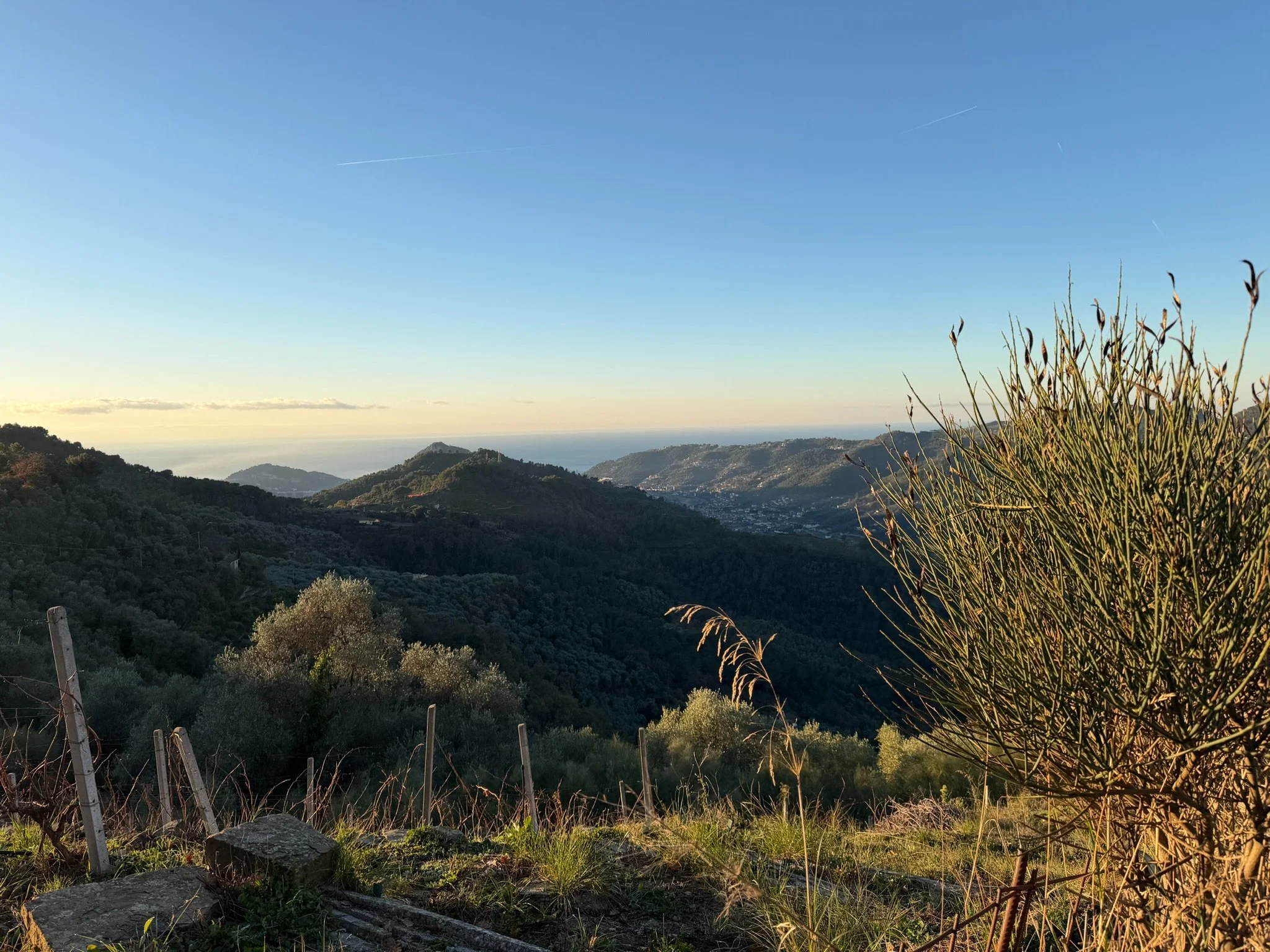
The Mauro Zino winery is deeply rooted in the culture and landscape of central Dolceacqua. Our friend Luigi Mauro seems to know everyone in the village—a fact that makes sense once you learn that the town’s main piazza bears his family’s name. Luigi represents the fifth generation to lead the family estate, which has long produced both wine and olive oil.
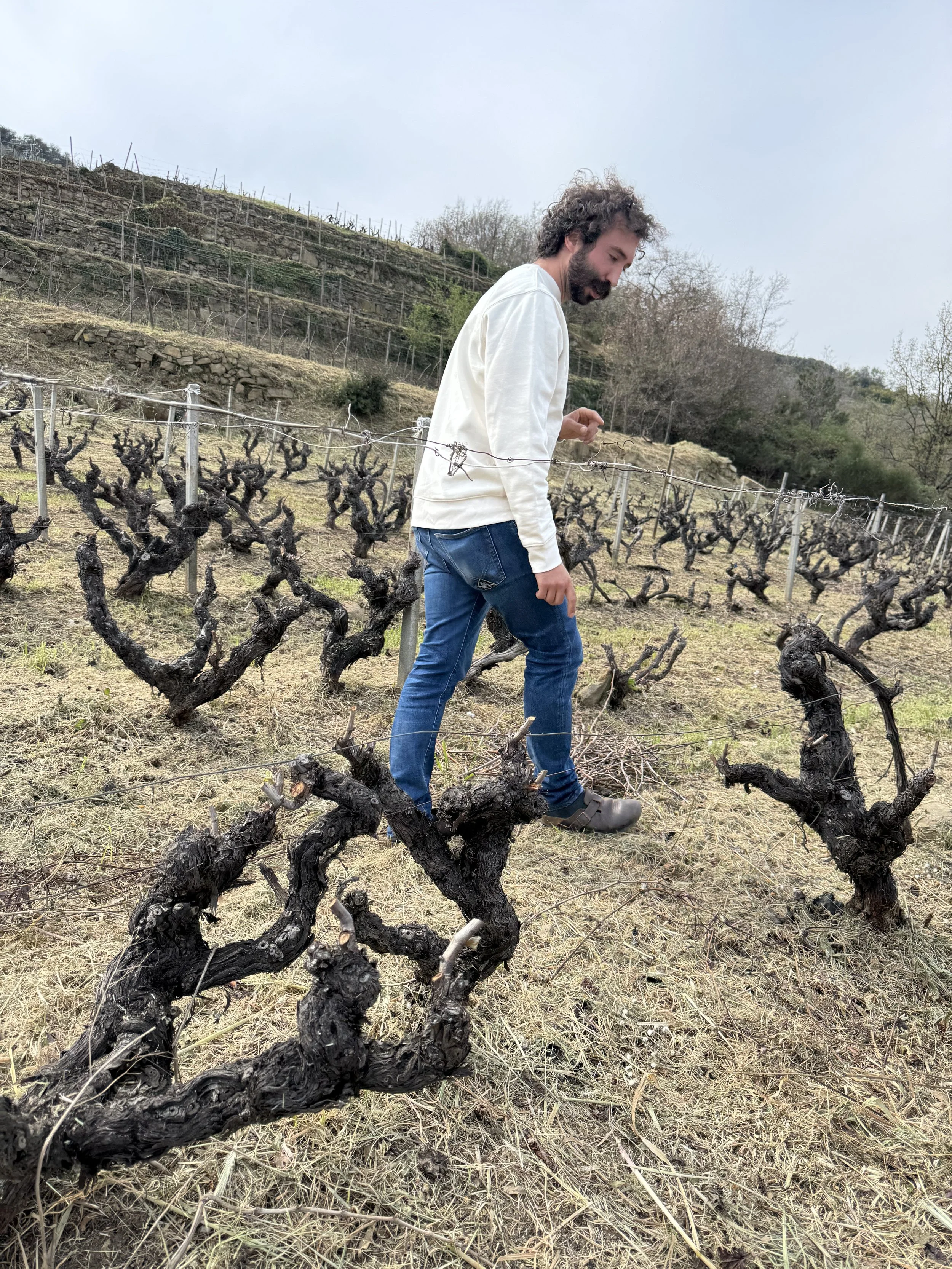
Today, Luigi and his family cultivate about three hectares of vineyards planted to the three historic grapes of the region: Rossese, Vermentino, and Pigato. Like many of the best growers in Liguria, the Mauro family believes that great wine begins in the vineyard. Careful, attentive work throughout the year allows Luigi to craft wines that clearly reflect the terroir and traditions of Dolceacqua.
As Luigi explains:
“Our idea of wine is very simple: to produce bottles that are a true expression of the land they come from. Our philosophy follows the principles of thoughtful, sustainable viticulture—an approach that combines the experience of traditional practices with modern vineyard monitoring tools. The goal is to intervene only when necessary, preserving the natural balance between vine, soil, and environment.”
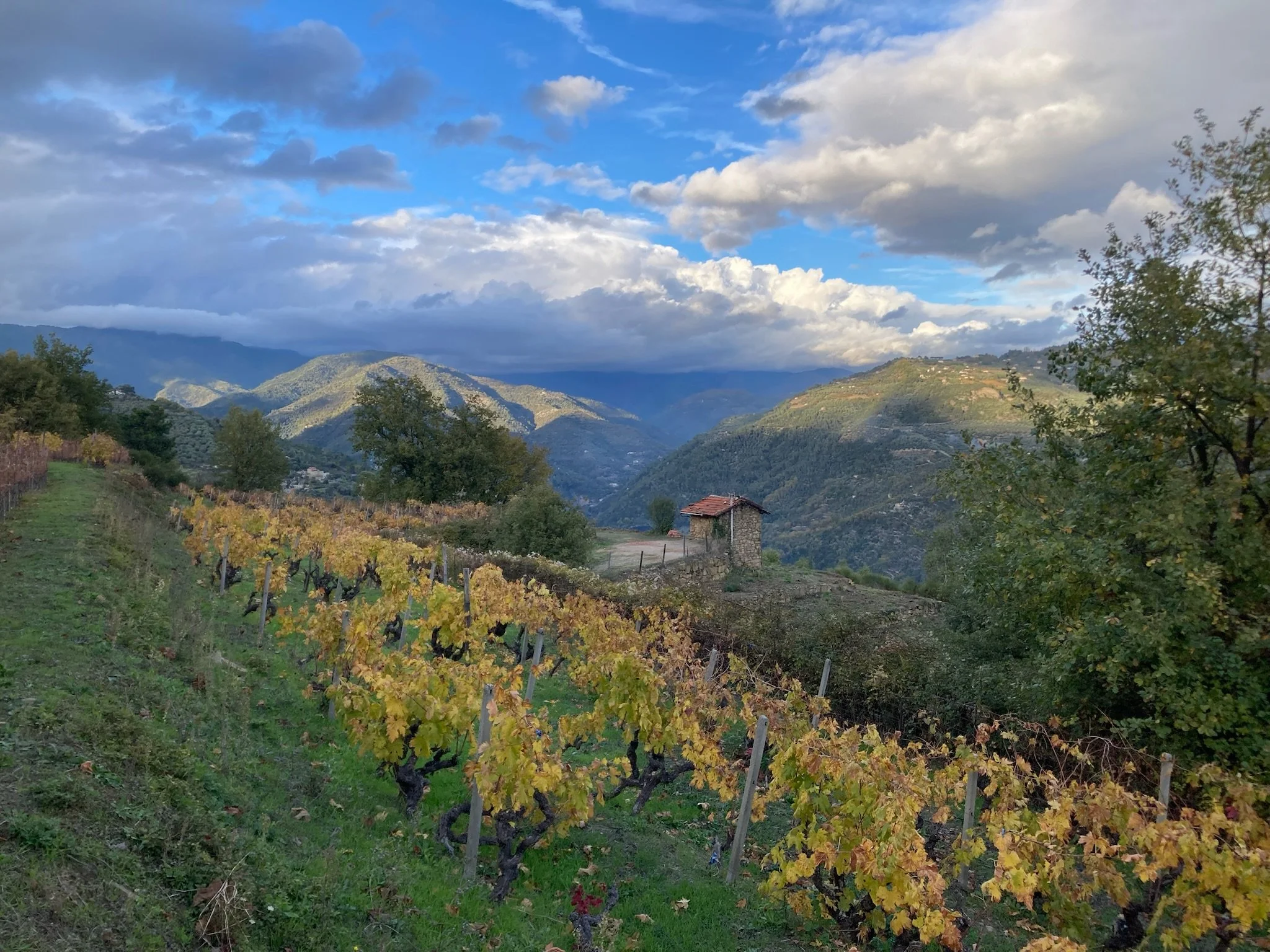
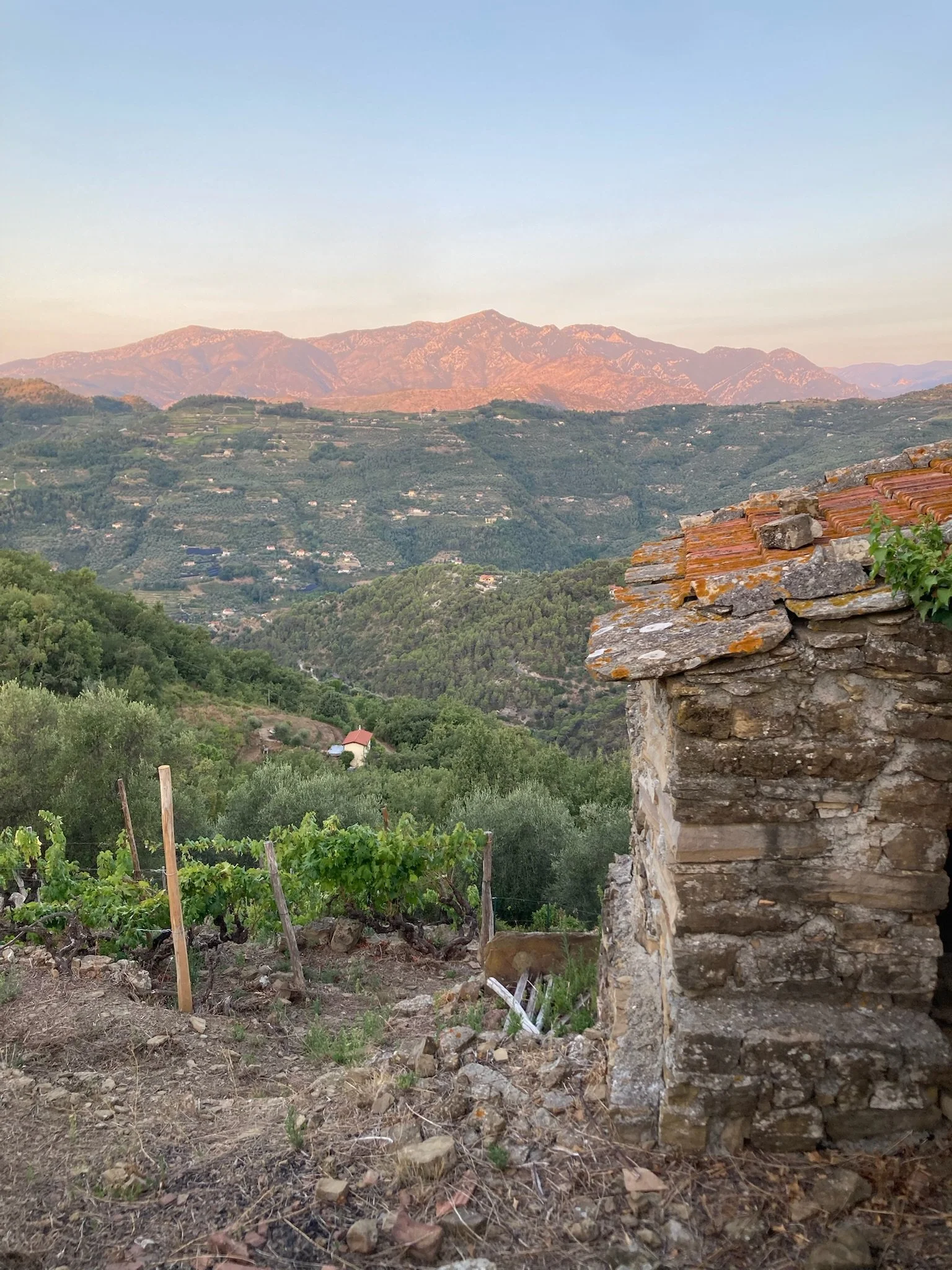
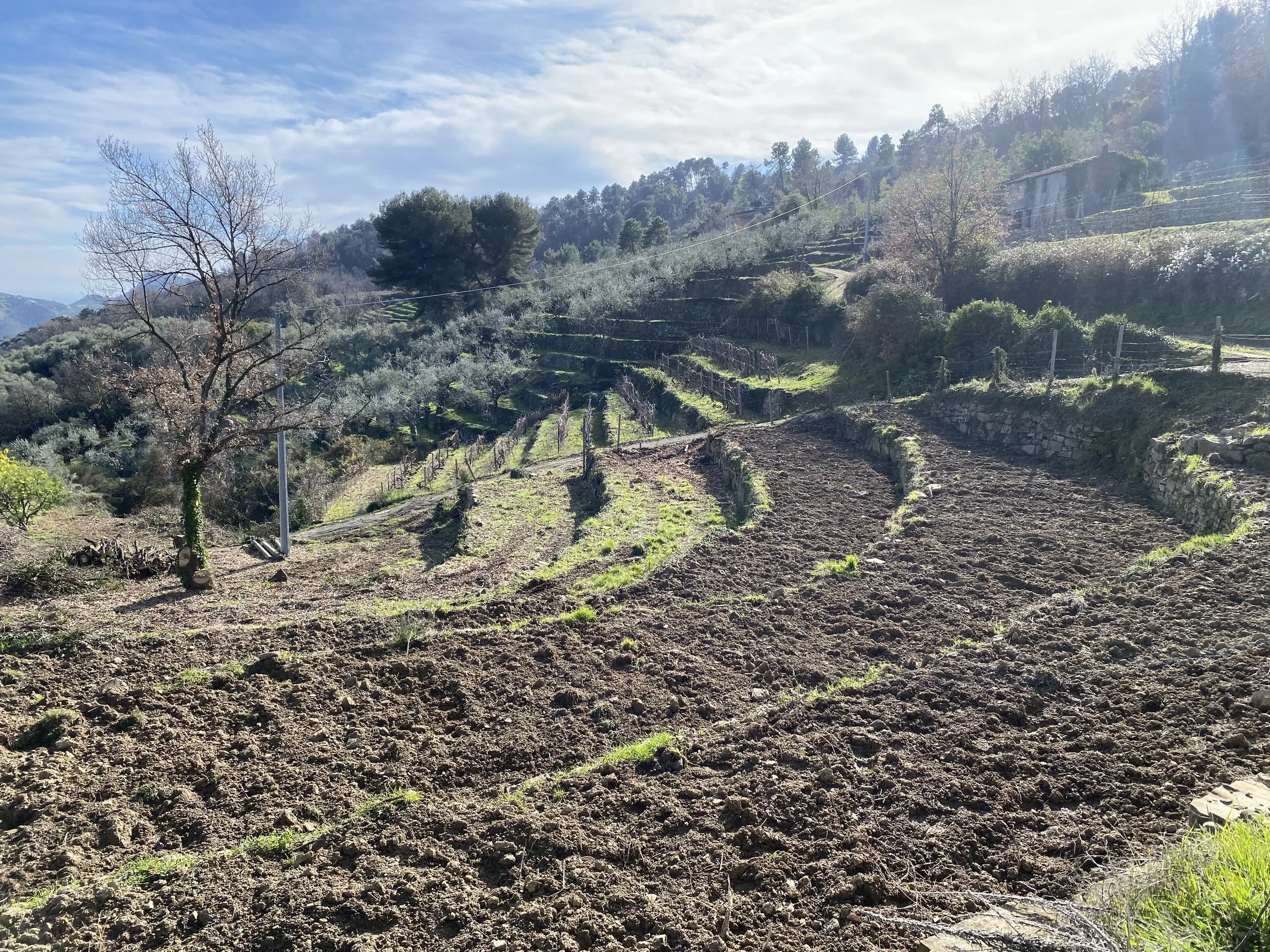
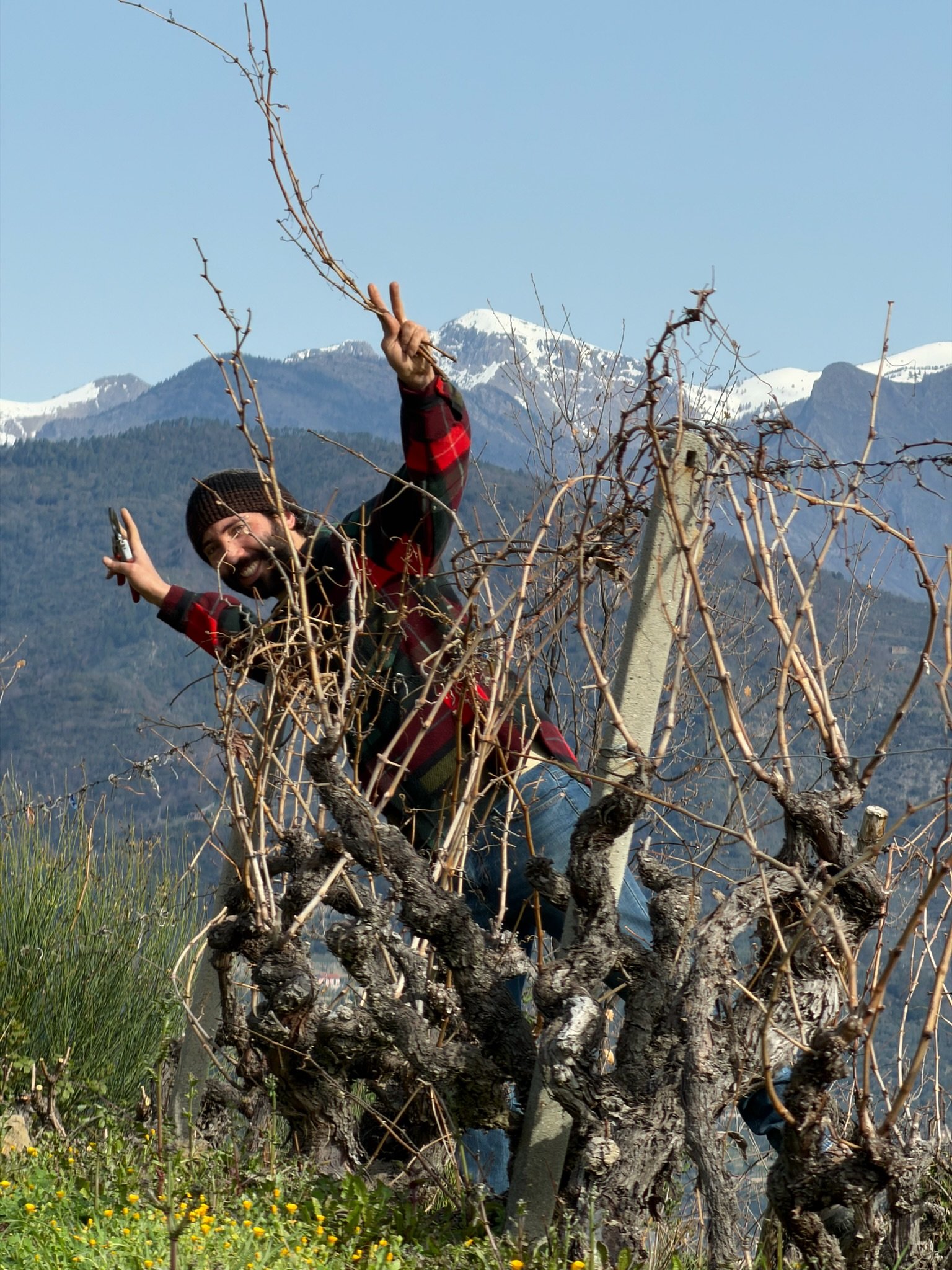
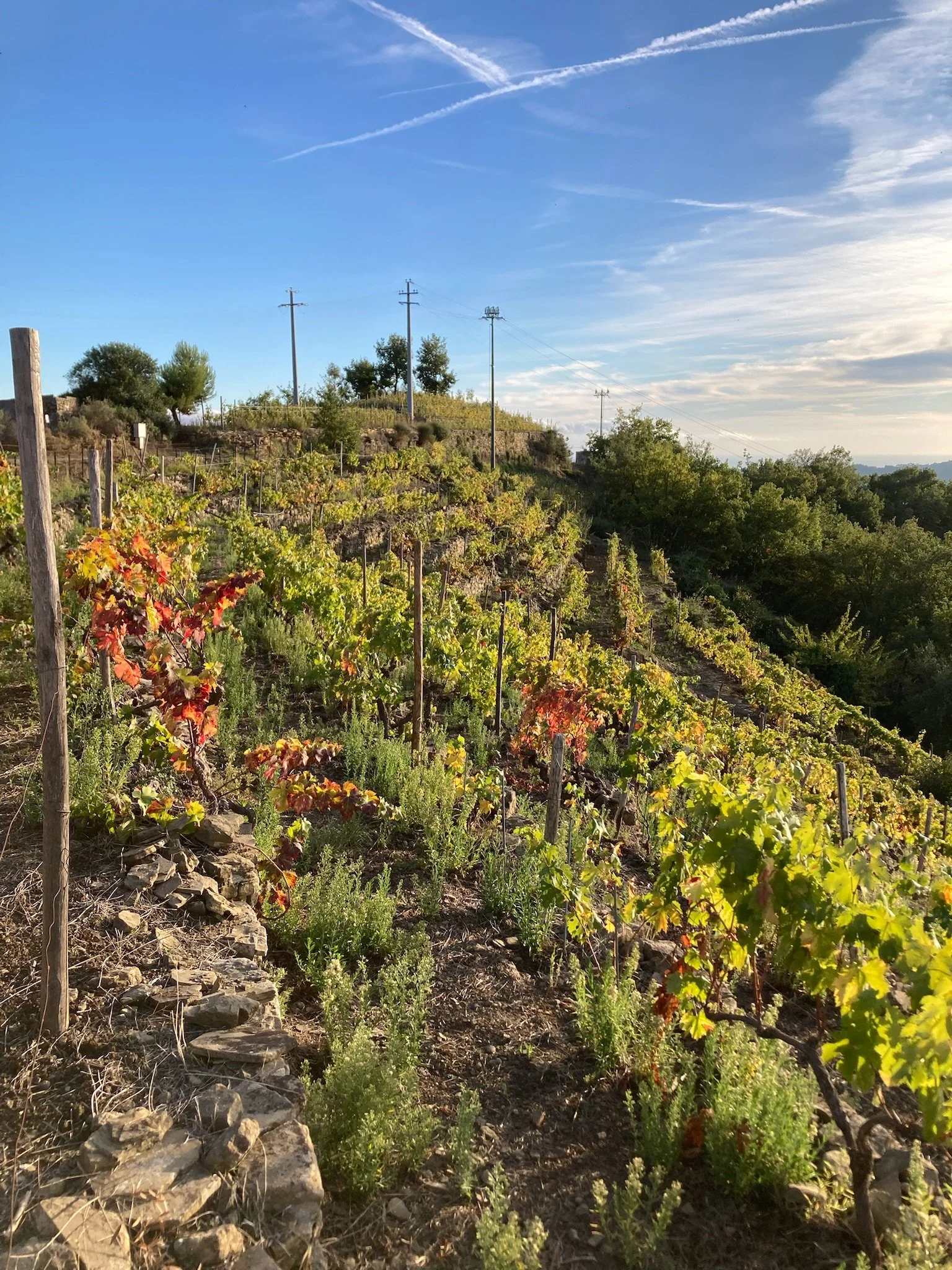
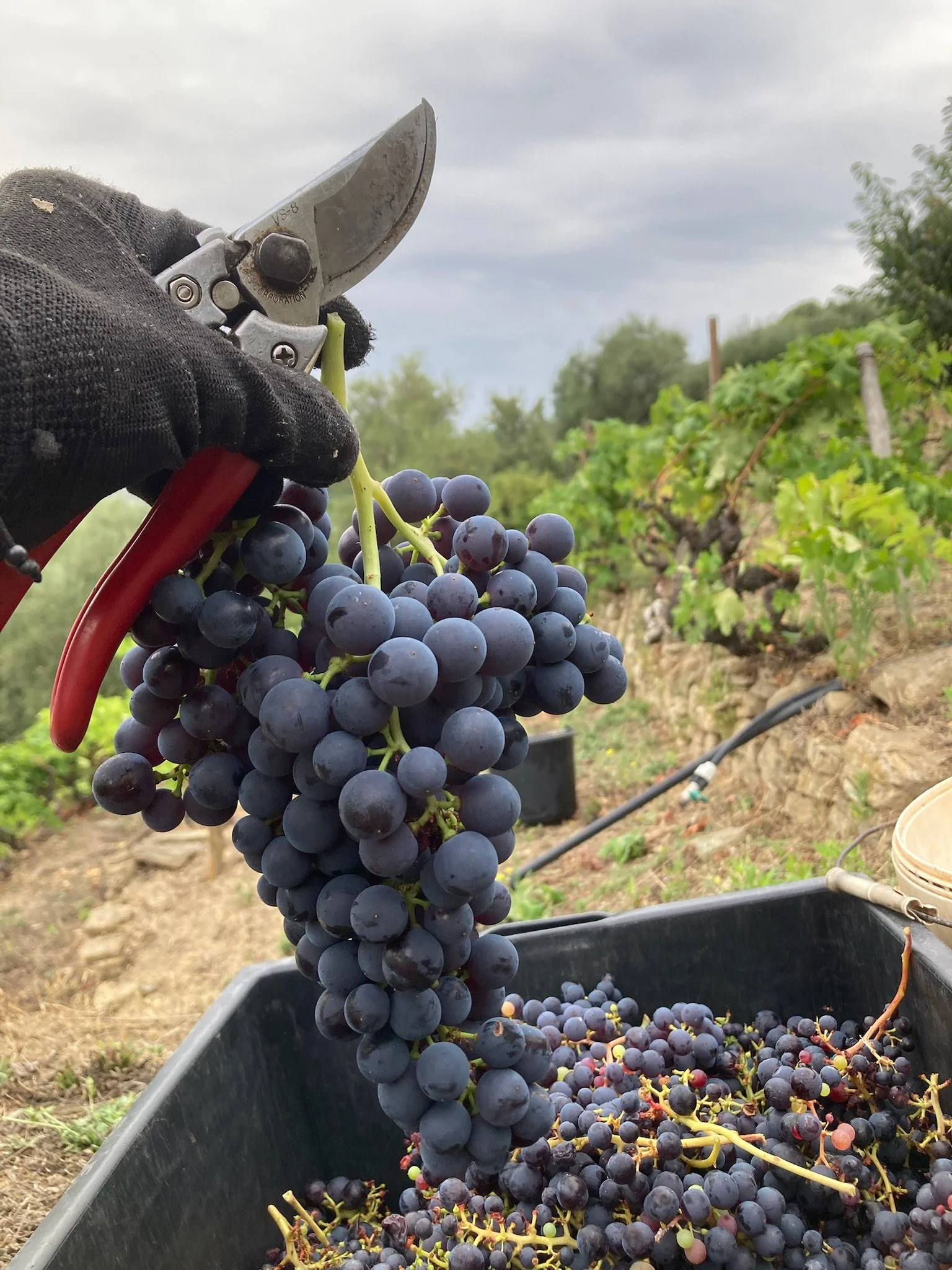
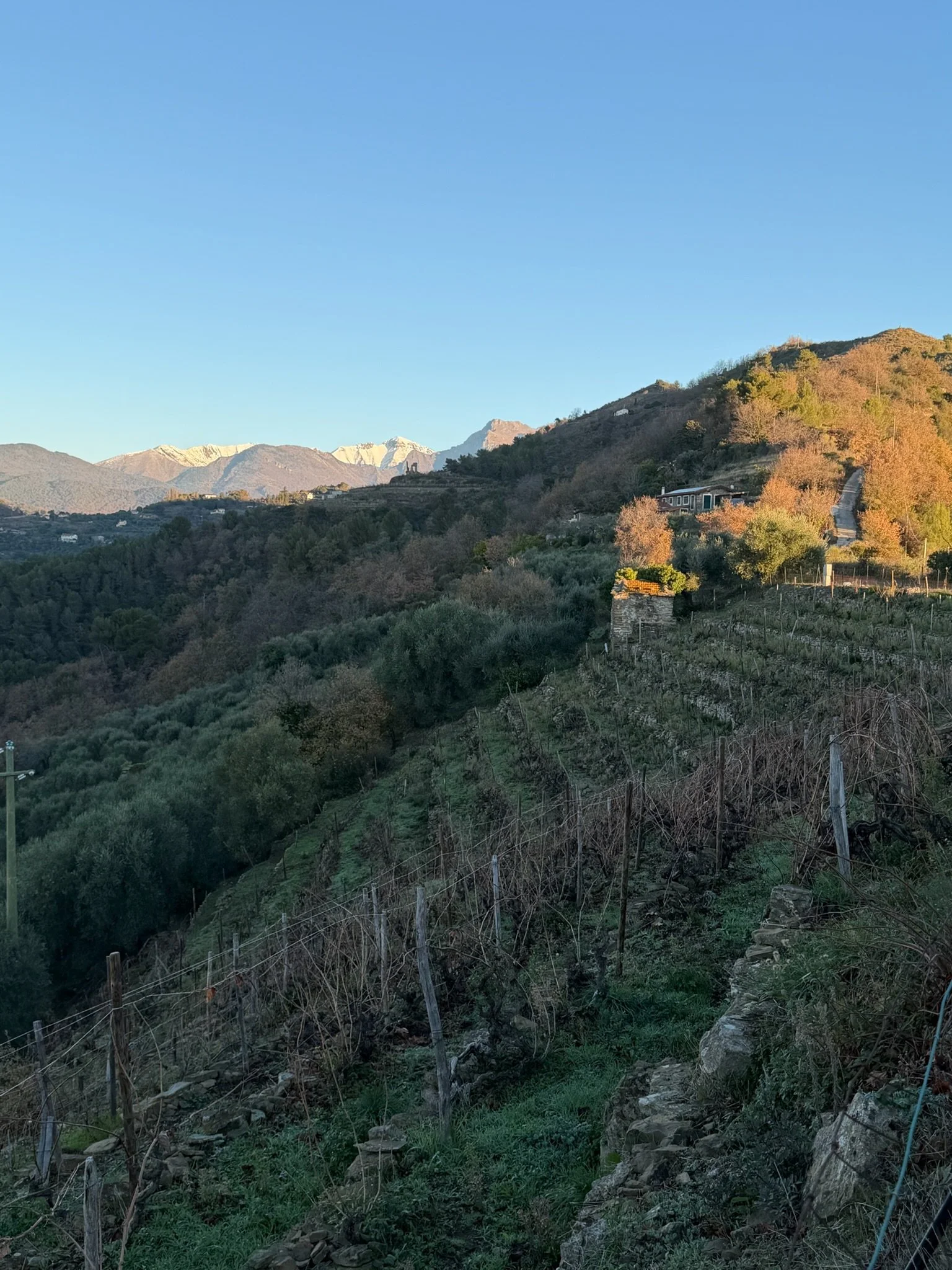
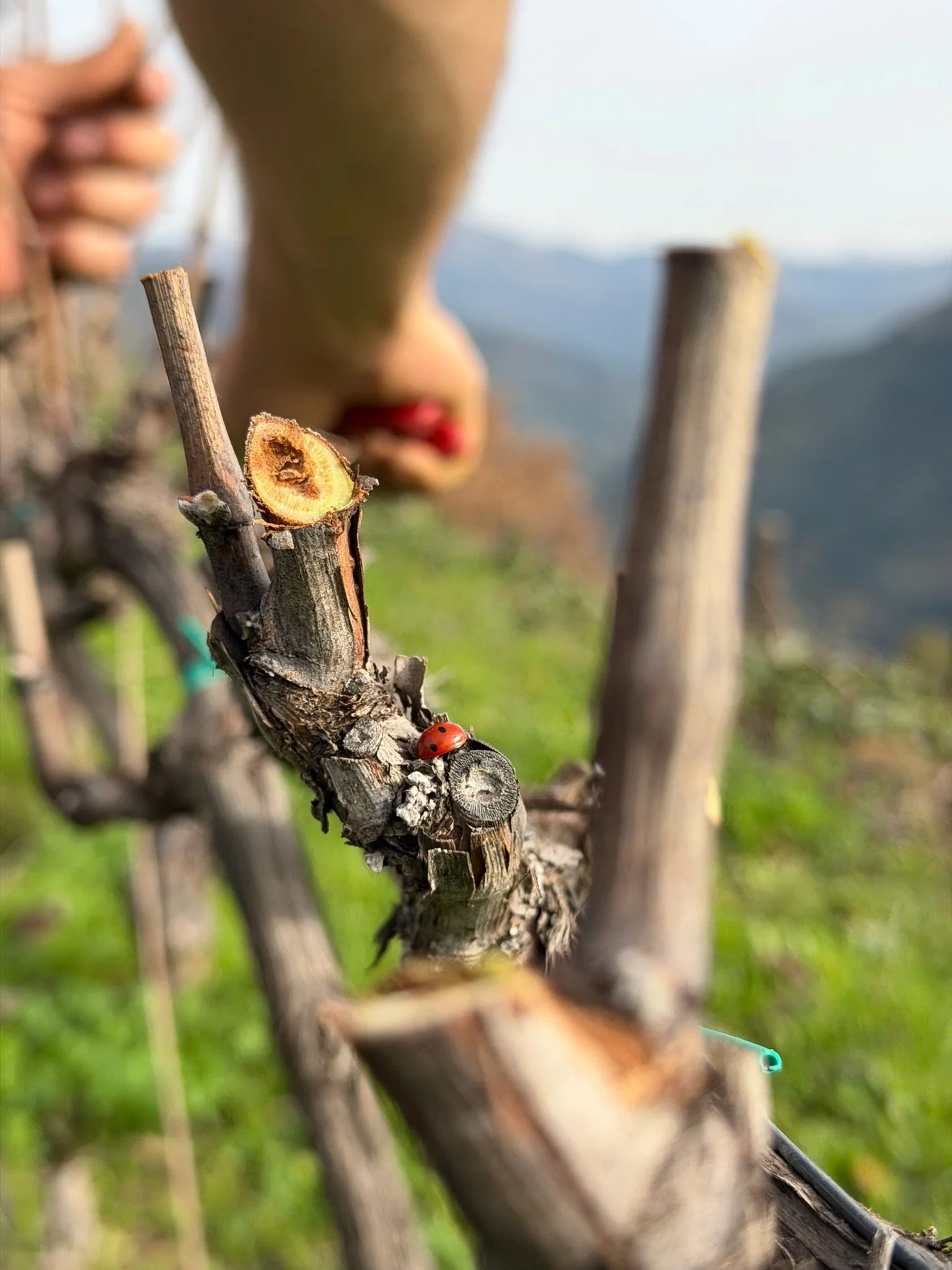
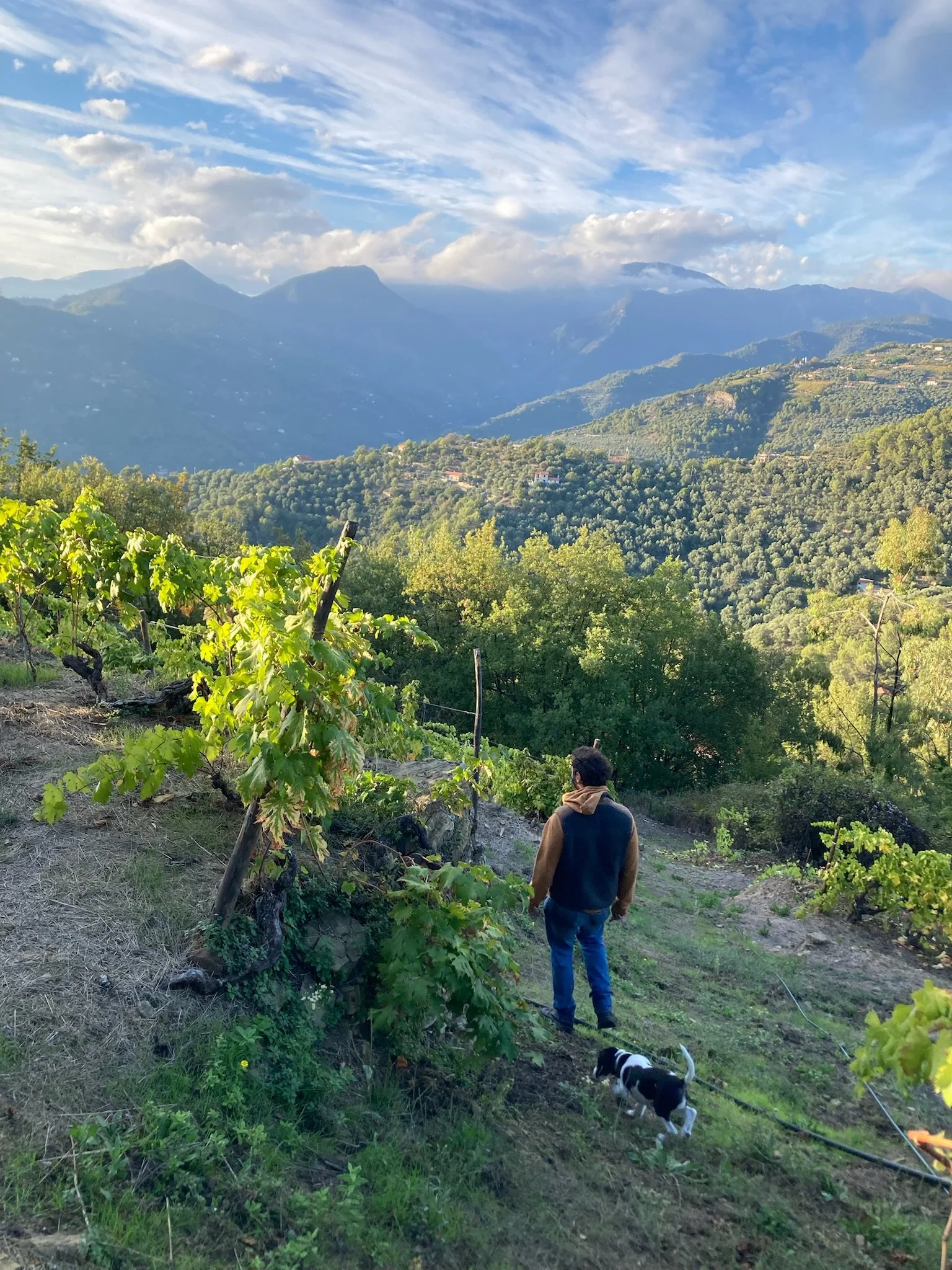
All of the vineyards sit on historic Ligurian terraces built centuries ago with dry-stone walls. These steep terraces cannot be mechanized, so every task—from pruning and canopy management to harvest—is done entirely by hand. It is demanding work, but it is also the only way to continue farming these sites while honoring their history and identity.
The estate is composed of four vineyards located in distinct areas of the Dolceacqua zone: Arcagna, Pevereli, Morghe, and San Martino. Locally, these areas are known as nomeranze, a historic term that today roughly corresponds to what are officially recognized as Additional Geographical Units (UGA). Each of these small zones has its own combination of soil, altitude, exposure, and microclimate, all of which shape the personality of the wines.
Arcagna
The Arcagna vineyard sits at about 350 meters above sea level with an eastern exposure. The oldest section dates back to 1927, making it one of the most historic parcels of the estate. Grapes from this site are used for the Rossese di Dolceacqua Superiore.
Pevereli
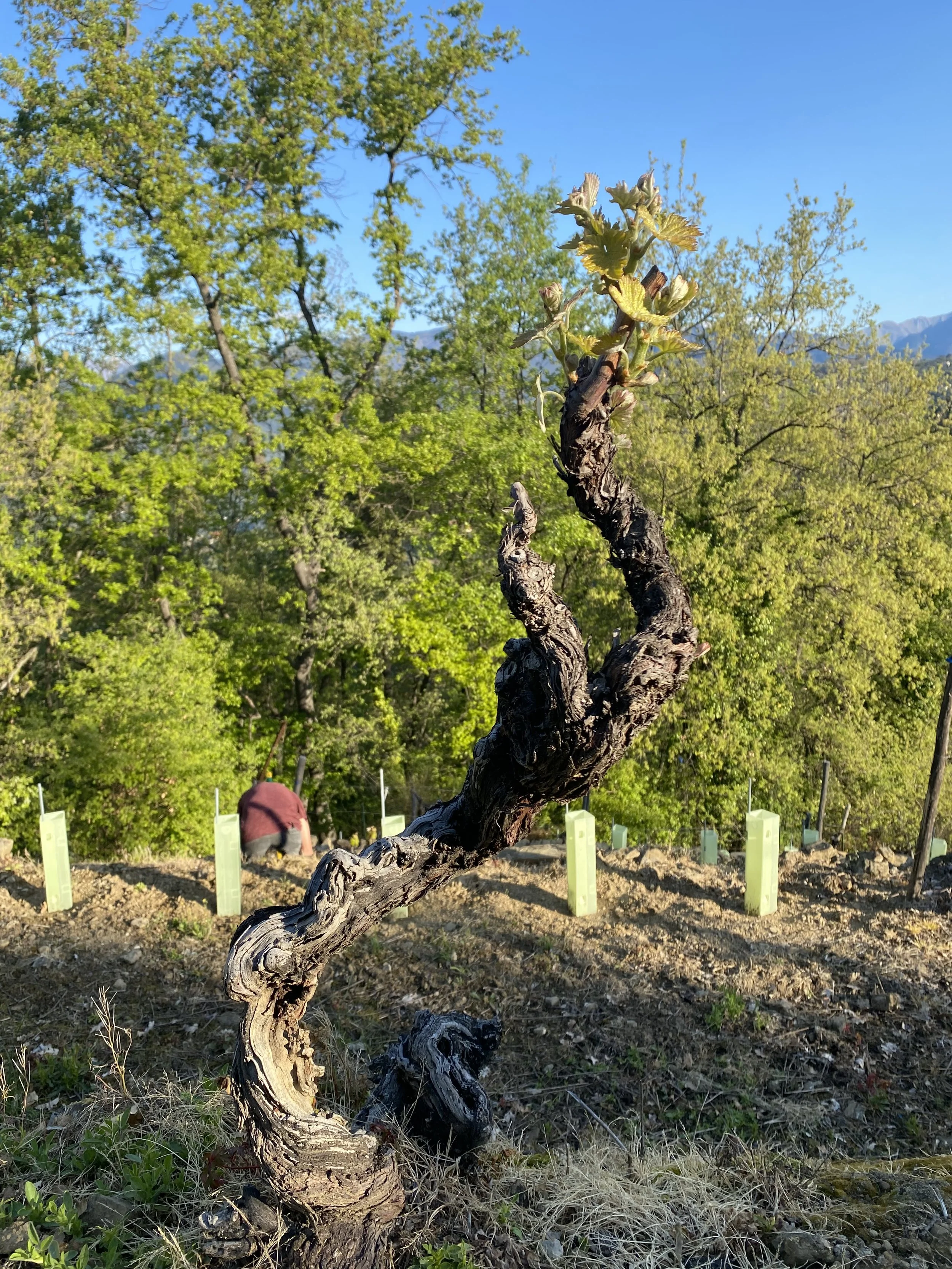
Pevereli lies higher on the slopes at roughly 450 meters above sea level with a northwest exposure. This area has long been associated with viticulture, with documents recording vineyards here as early as the 1600s. In 2023 the family replanted the upper portion of the site and restored several long-abandoned terraces. The fruit from this vineyard produces the Rossese di Dolceacqua Superiore Pevereli.
Morghe
Located at about 400 meters above sea level with a southern exposure, the Morghe vineyard was planted in 1994 and is the most recent addition to the estate. Grapes from this site are used for the Rossese di Dolceacqua bottling.
San Martino
San Martino is dedicated to white grapes—Pigato and Vermentino—and lies within the municipality of Dolceacqua at about 100 meters above sea level. The oldest vines date to 1994, with new plantings established in 2024. The defining feature of this site is its varied soils: red clay rich in organic matter where Pigato is planted, and pale calcareous clay where Vermentino grows. These differences in soil have a clear influence on the structure and aromatic character of the wines.
Looking ahead, the Mauro family continues to expand and refine the estate. In 2026 they plan to plant roughly 2,000 meters of new vines in Arcagna, allowing the vineyard to reach its full potential within the UGA. At the same time, they are preparing additional land with the goal of establishing new vineyards over the next four to five years.
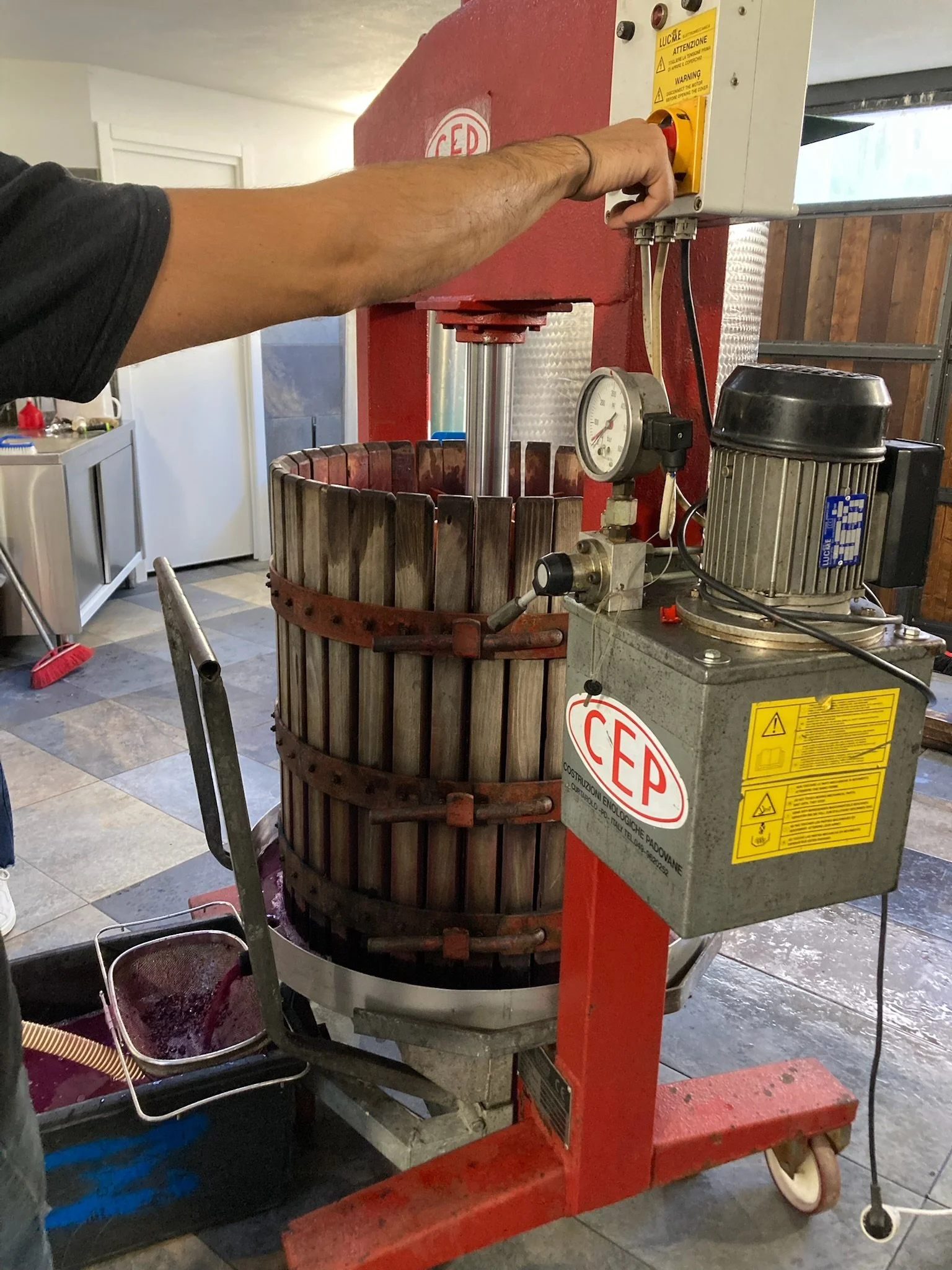
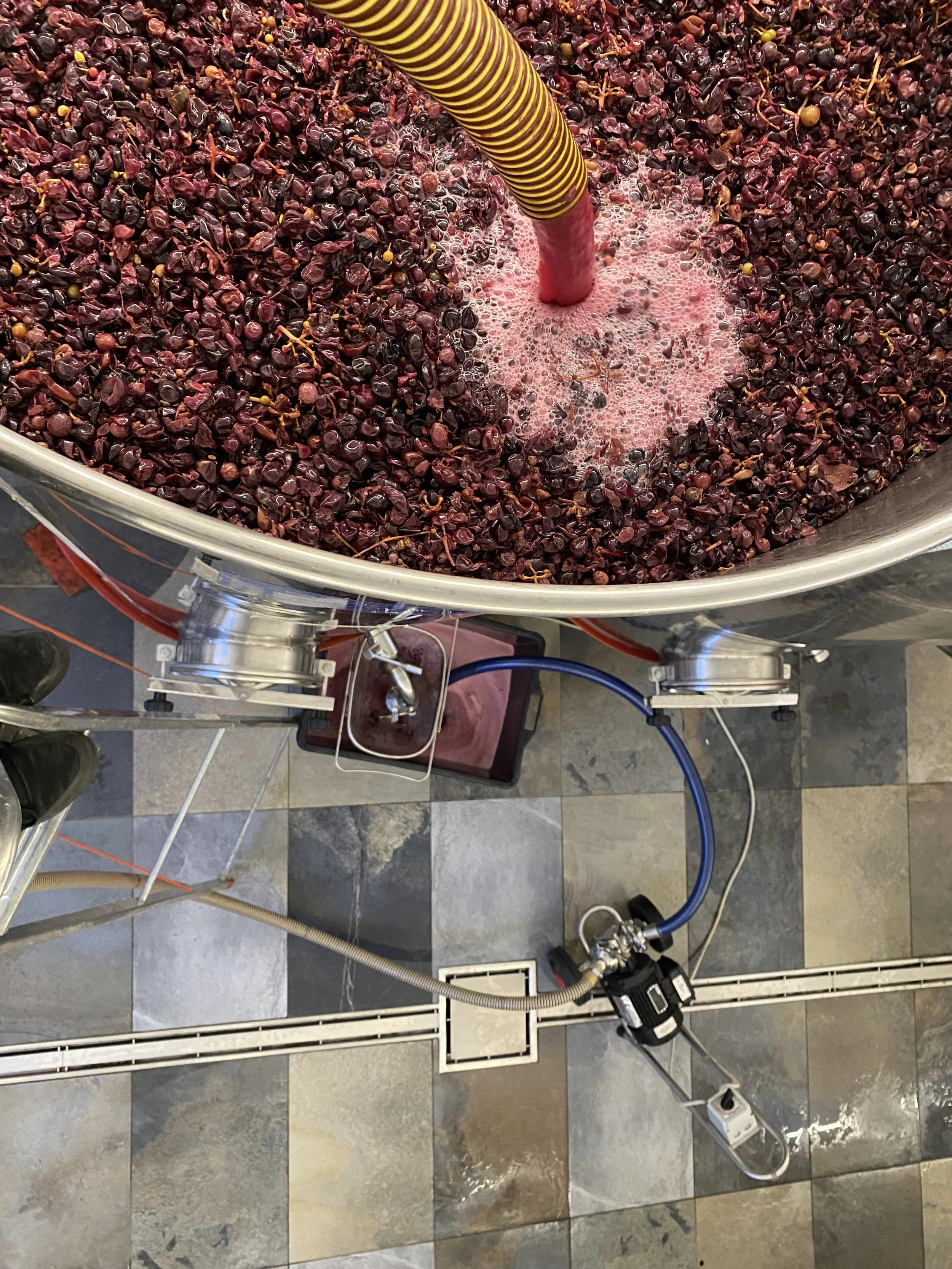
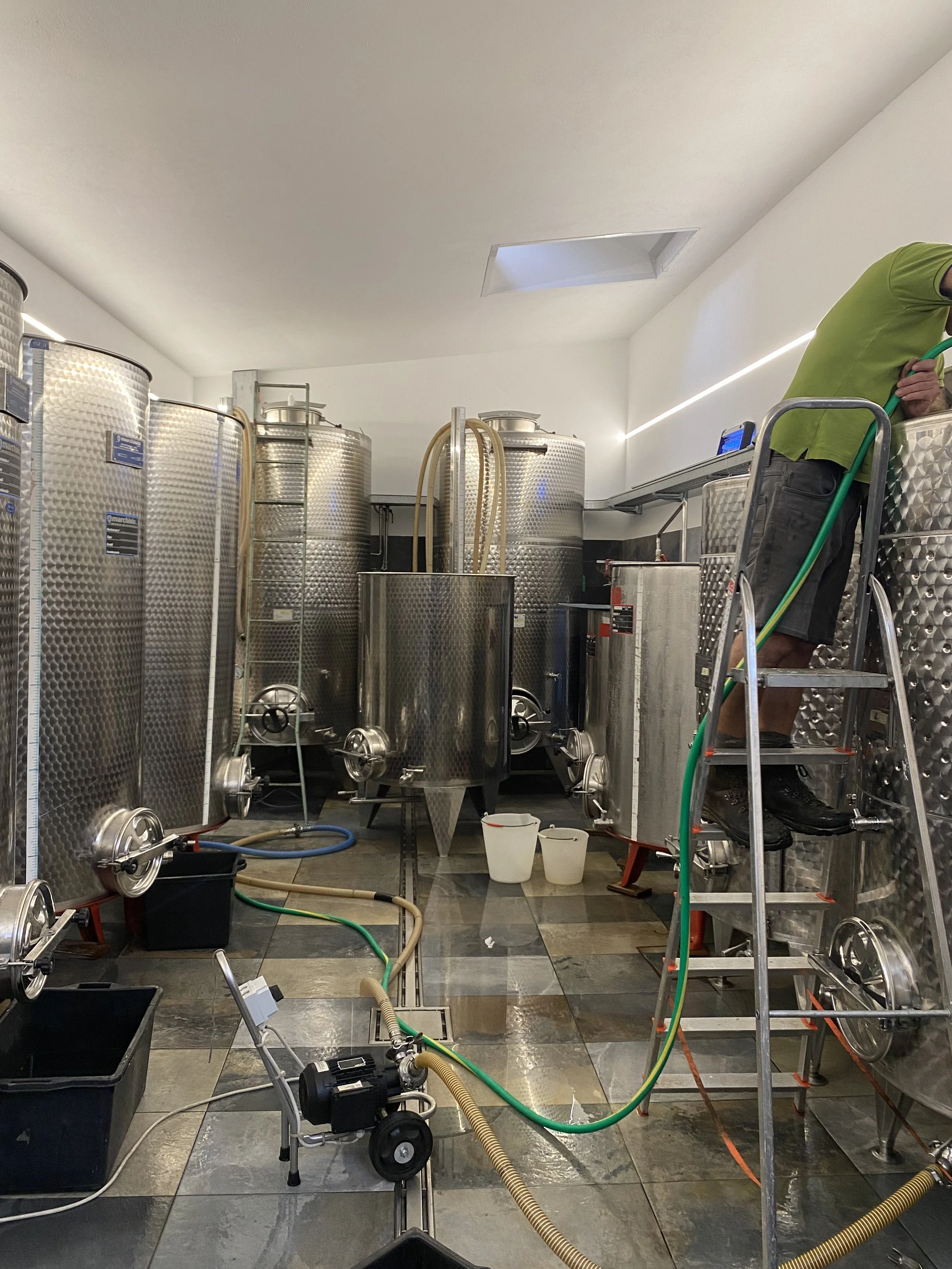
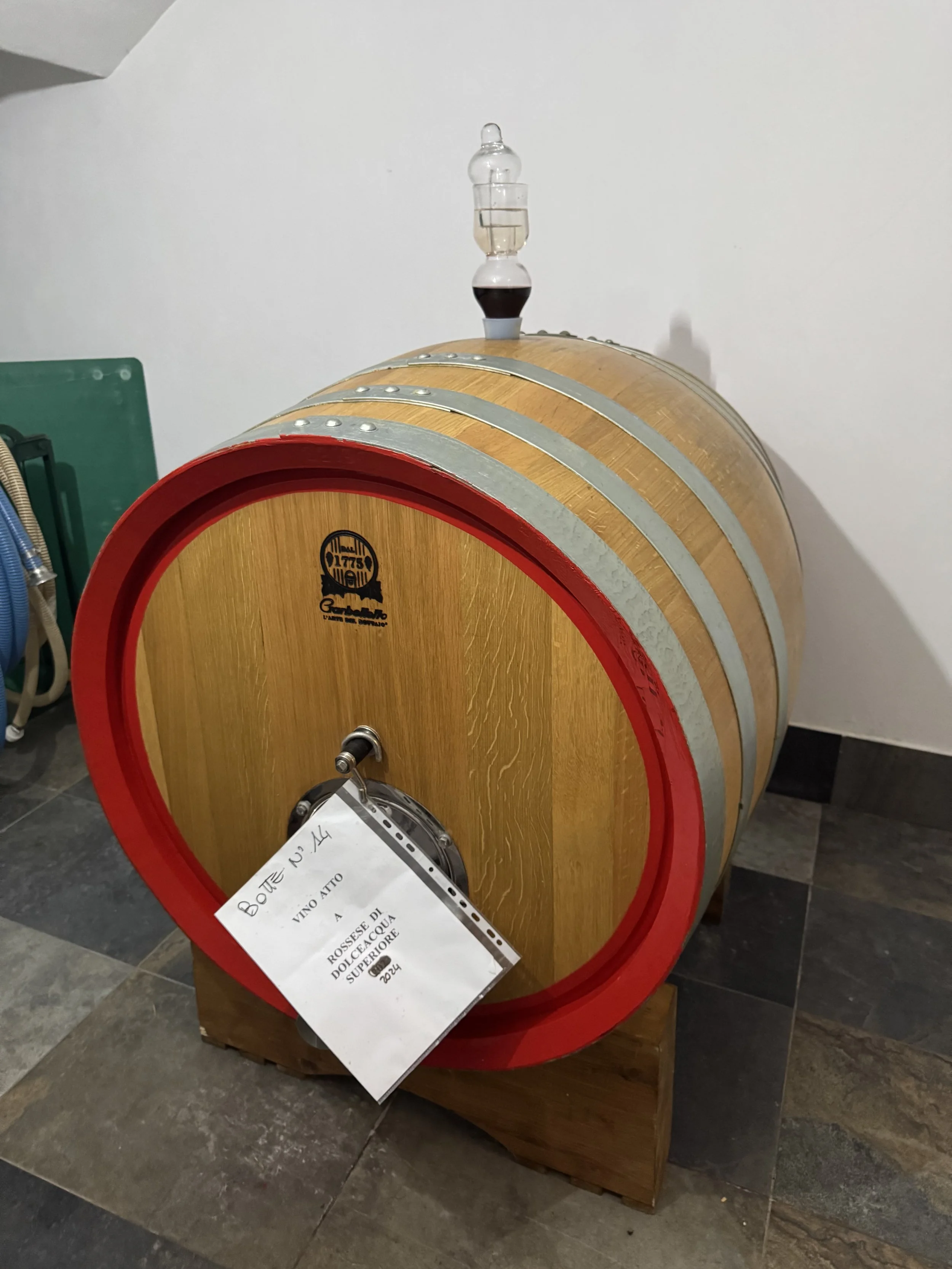
The winery itself is located in the historic center of Dolceacqua. Vinification takes place primarily in temperature-controlled stainless steel tanks, allowing the family to carefully guide fermentation while preserving the purity and character of the fruit. In recent years they have also begun experimenting with additional aging vessels, including a porcelain stoneware tank produced by a Ligurian manufacturer and a small 7-hectoliter Slavonian oak barrel.
While the vineyards remain the heart of the estate, Luigi is also continuing to experiment in the cellar. One of the questions guiding his work today is the future direction of aging vessels—whether porcelain stoneware or wood will best serve the wines. As he puts it, the answer will come with time—and, above all, through the evolution of the wines themselves.
For Luigi and his family, the goal remains simple: to continue farming these historic terraces and to bottle wines that speak clearly of Dolceacqua. The Small Victories team is proud to represent these wines and to share Luigi’s work with our partners and friends.
Mauro Zino
The Wines
Rossese di Dolceacqua
Rossese di Dolceacqua Superiore