MULIT
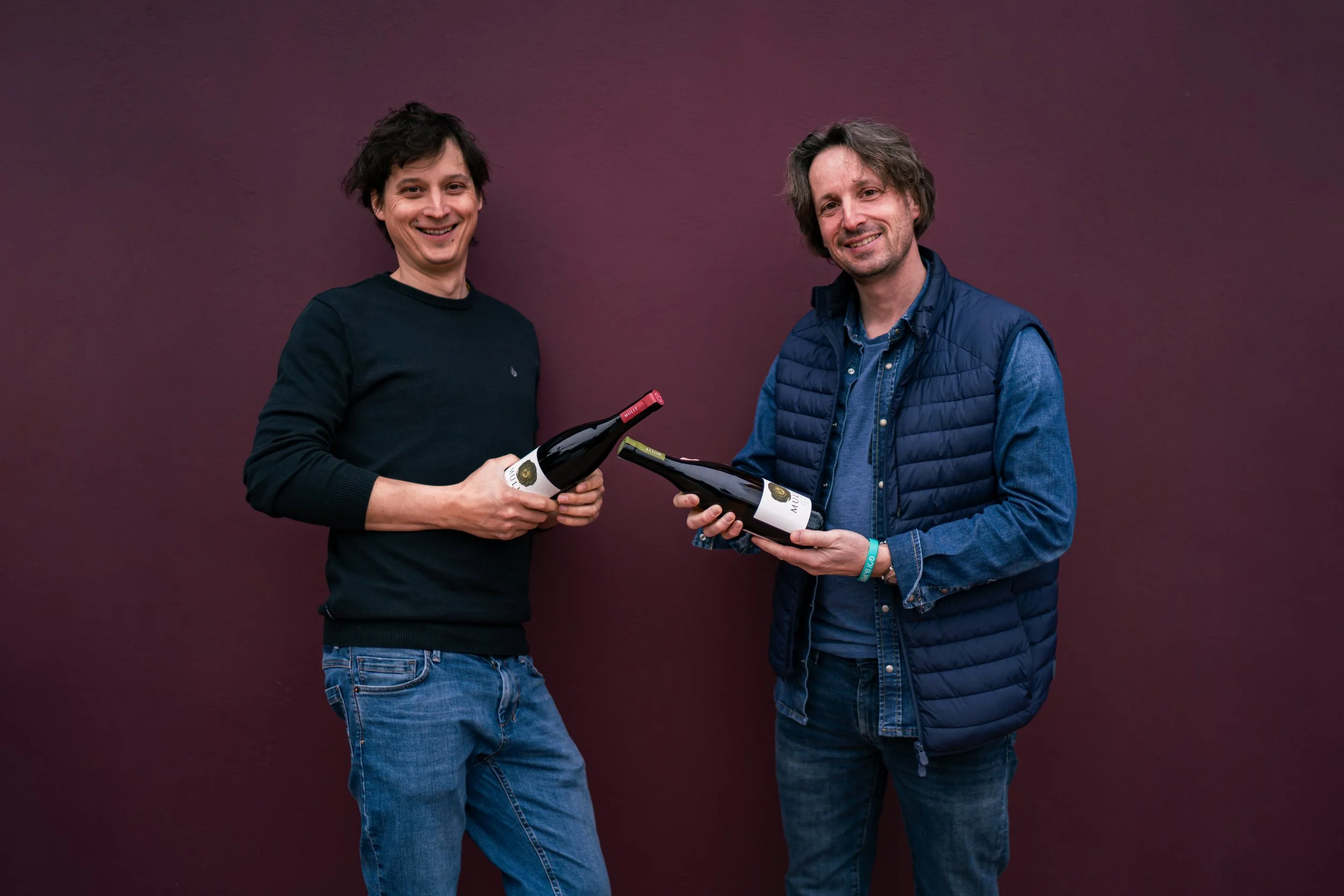
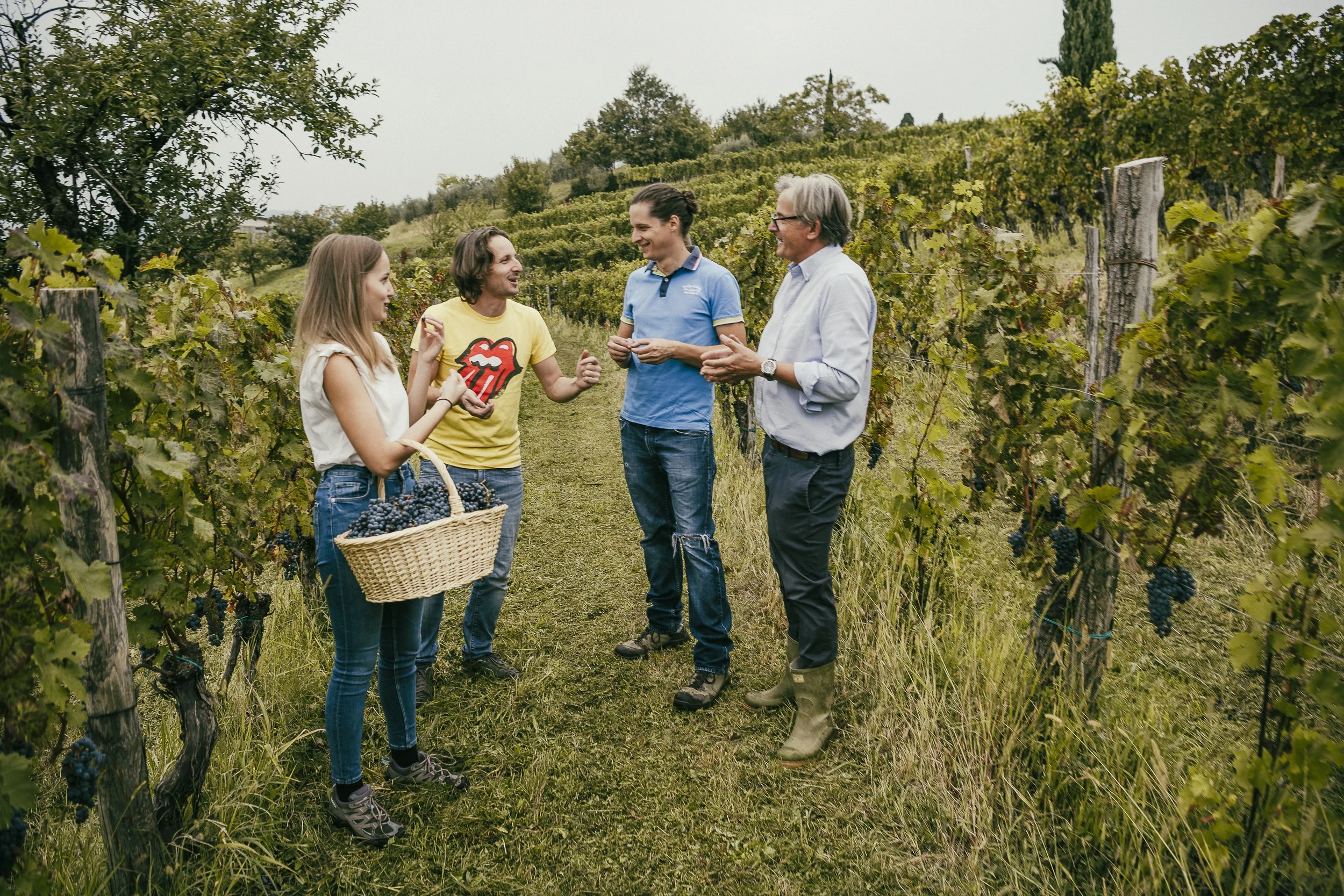
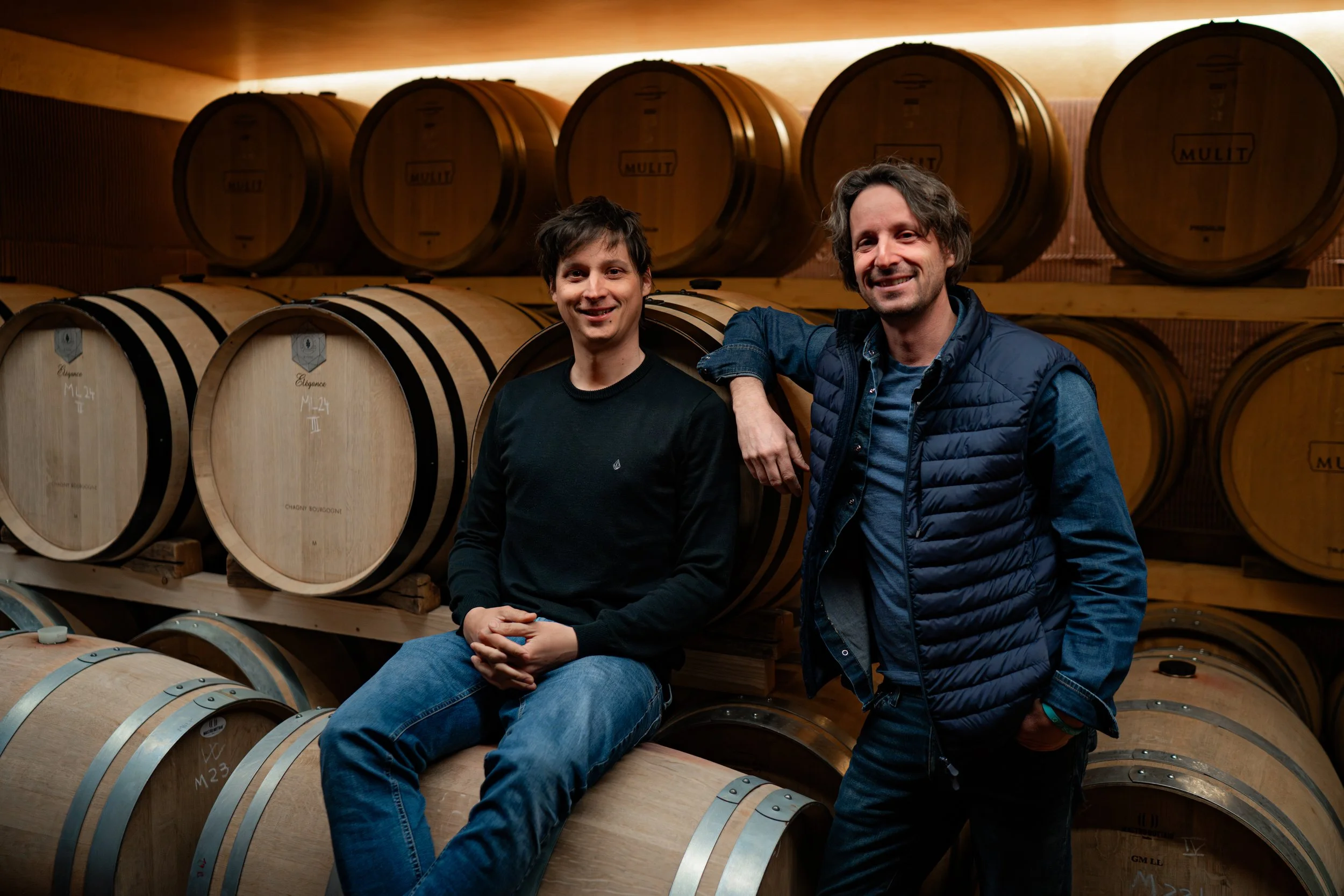
The wine world can be competitive at times, but it’s just as often a place where friends look out for one another—where a quiet recommendation or timely introduction can change everything. We met Tjaš and Peter from MULIT thanks to a friend in Friuli who mentioned two incredibly talented brothers making remarkable wines just over the next hillside in Brda.
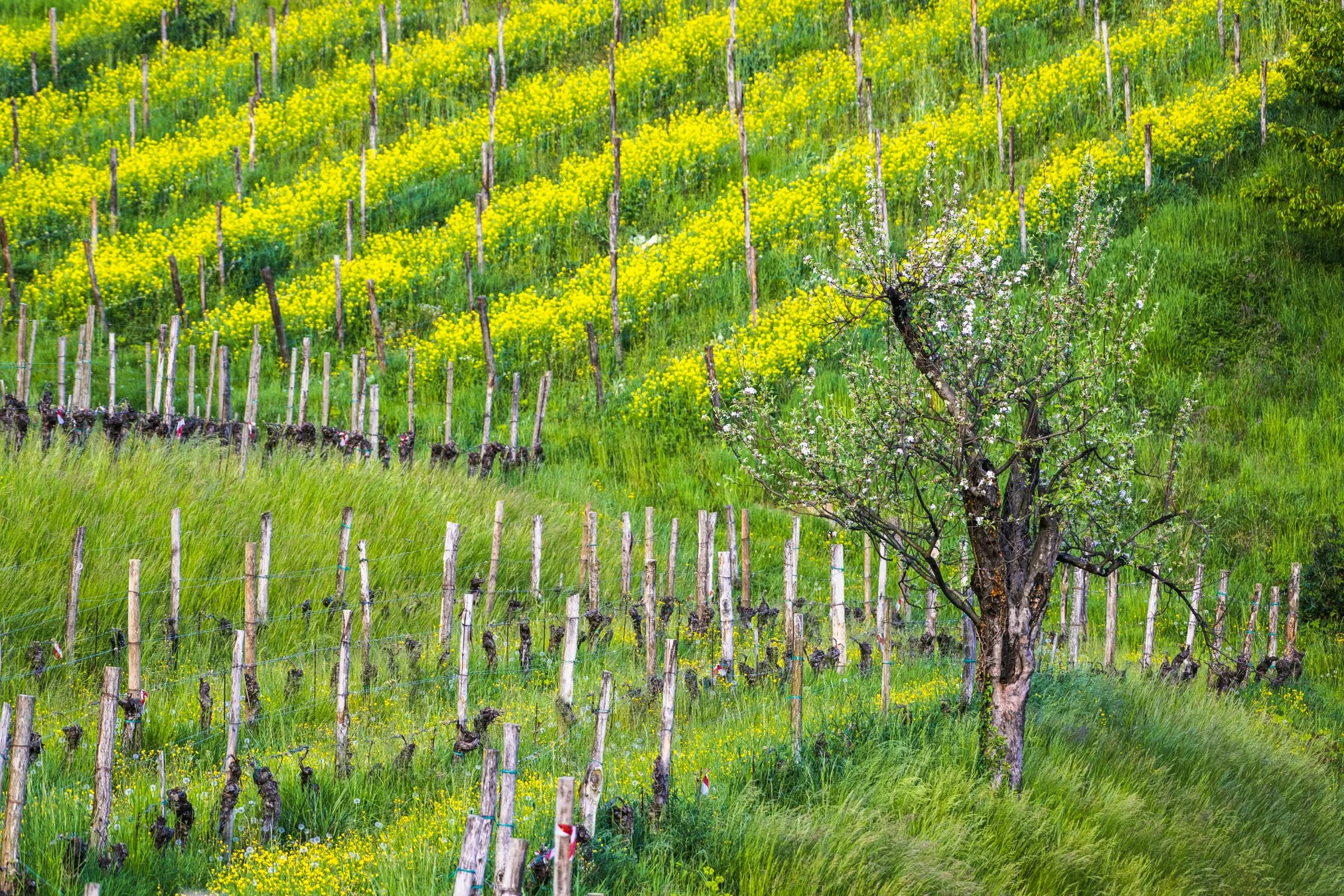
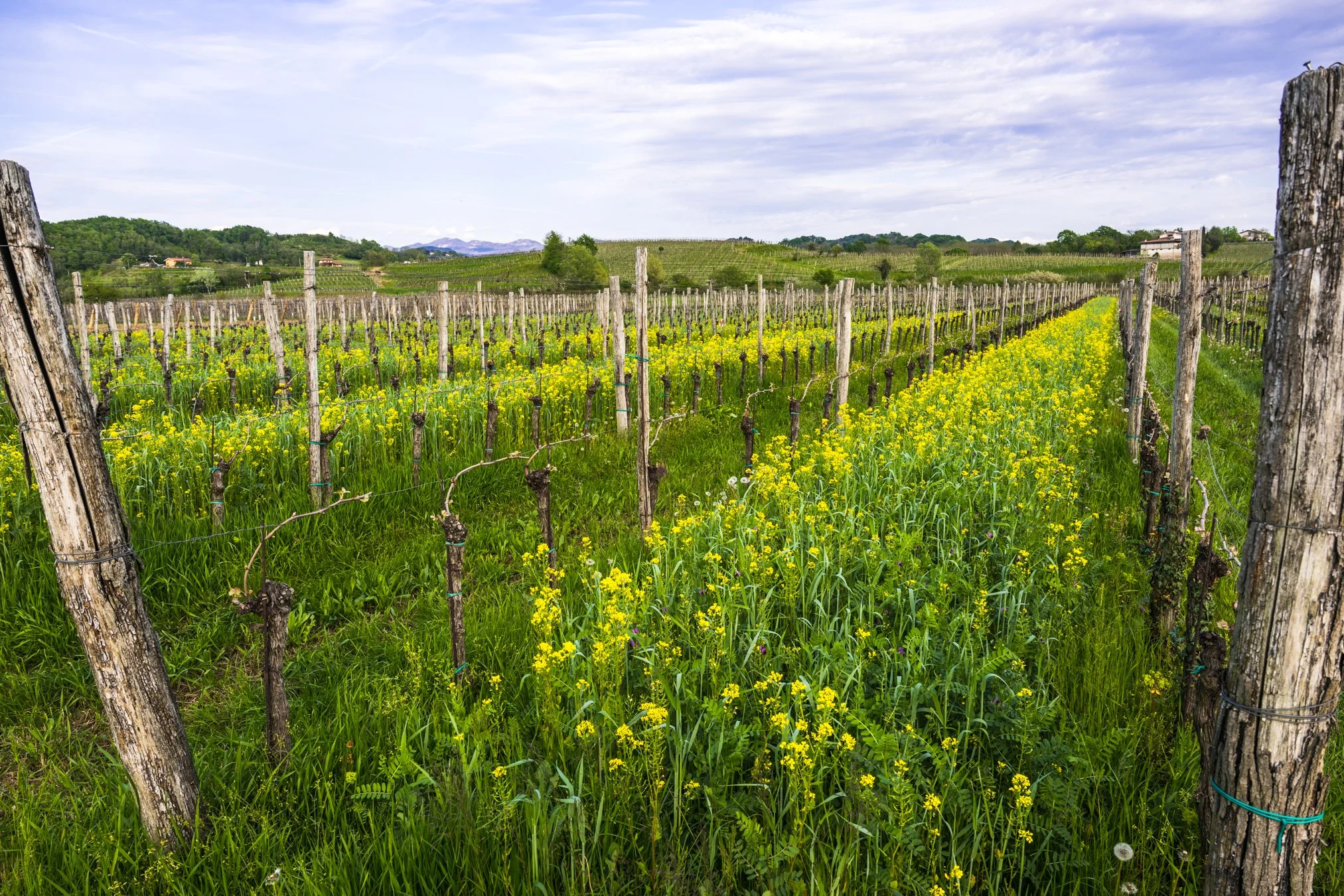
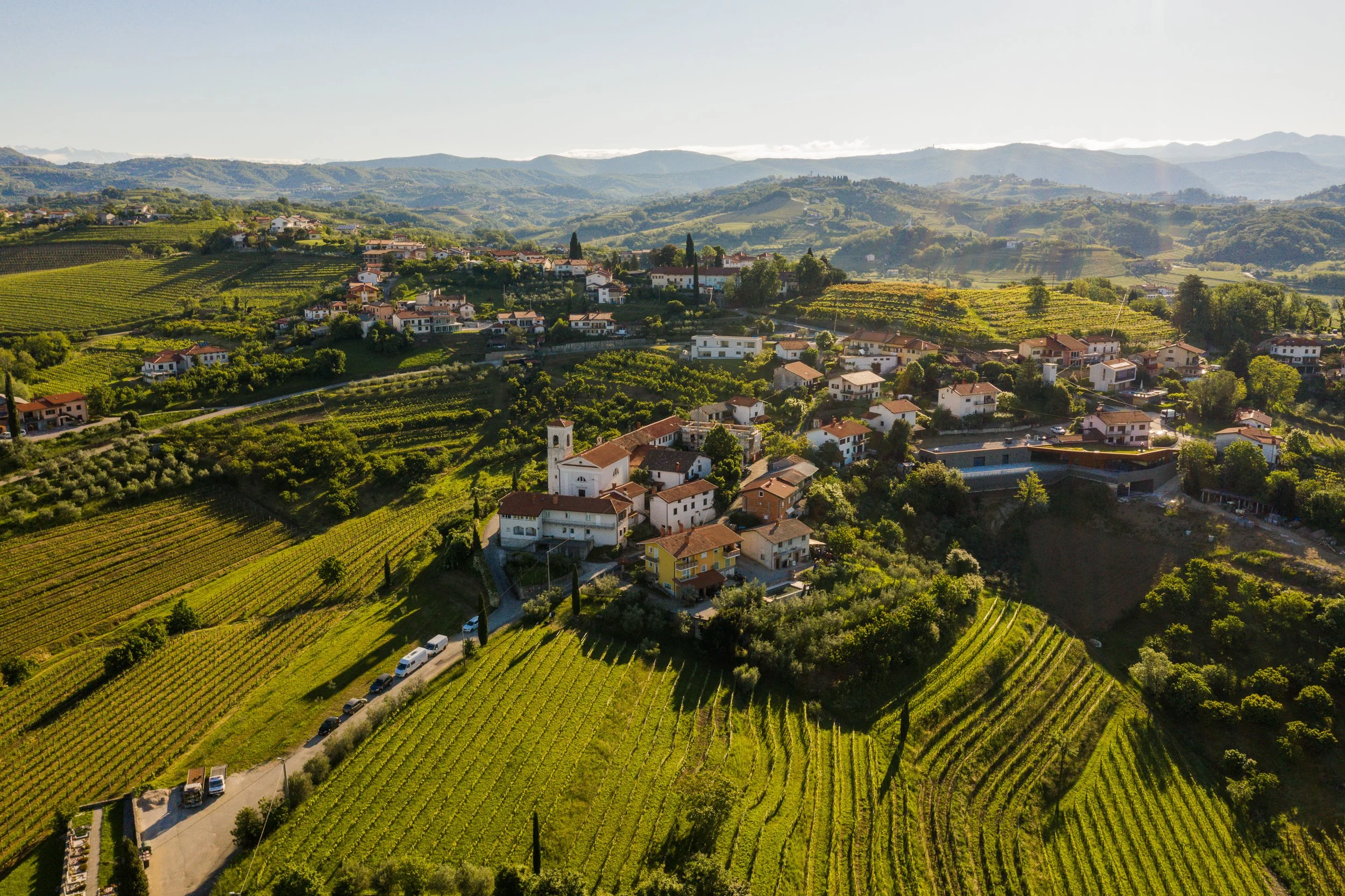
Brda and Collio are, in essence, one landscape. They share the same soils, climate, and varieties, shaped by the Gulf of Trieste, which softens extremes and steadies the seasons. Winters and springs are protected from frost, while warm maritime air from the south and cool Alpine breezes from the north create a long, balanced growing cycle. Though Brda and Collio were politically separated after the Second World War, the hills still feel culturally intertwined. Tucked into this unique corner of Slovenia sits the organically certified estate of MULIT.
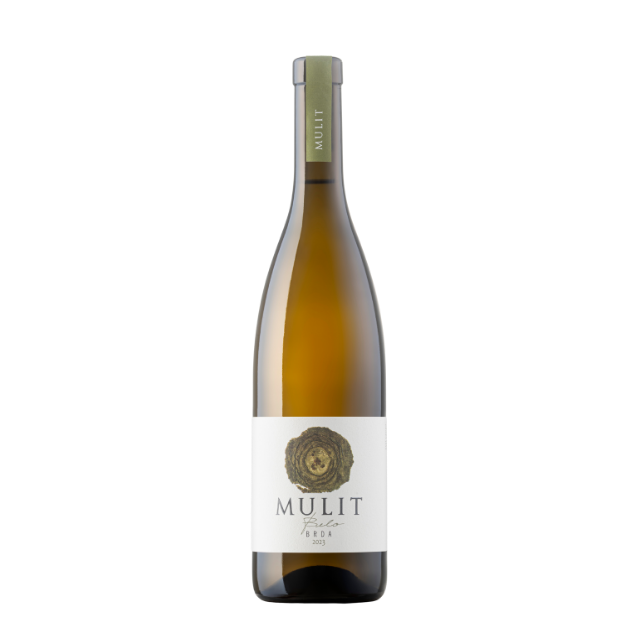
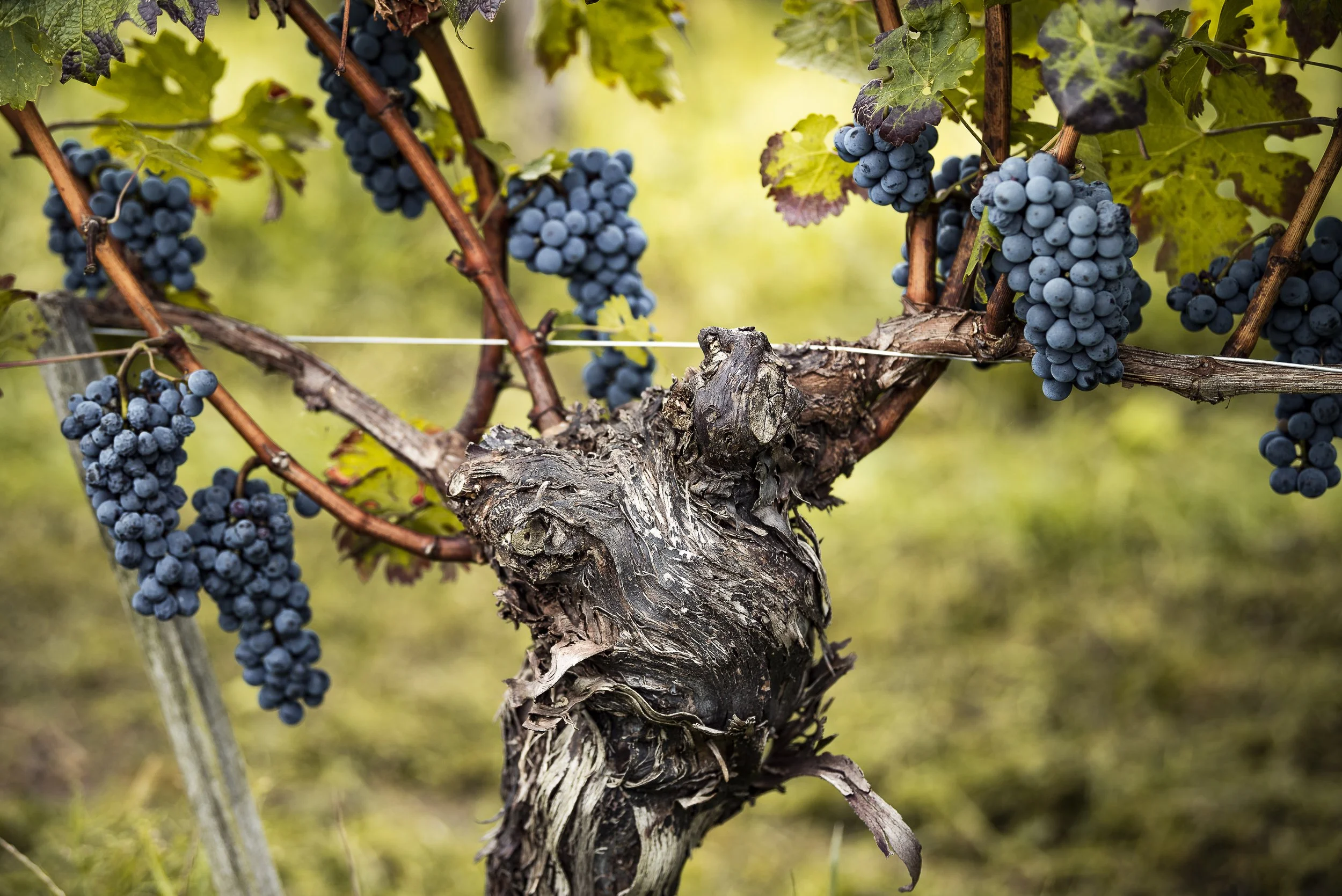
The name MULIT comes from nummulites—ancient marine fossils scattered throughout the estate’s soils. These fossils, depicted on the label, are more than a symbol; they directly shape the wines. The calcium-rich, well-draining soils hold just enough moisture to sustain the vines in hot years, bringing tension, minerality, and a fine, structural backbone to the wines.
The MULIT story began with Boleslav Prinčič, an agronomist who pushed viticulture in Brda toward greater precision and quality in the late 1980s and ’90s. In 1997, using Kmetija Prinčič’s winery, he produced the first wine under the MULIT label—a red blend of Merlot, Cabernet Sauvignon, and Syrah from a single parcel. Crafting a cuvée with real aging potential was forward-thinking for Brda at the time. Eight years later he added a white blend, Belo.
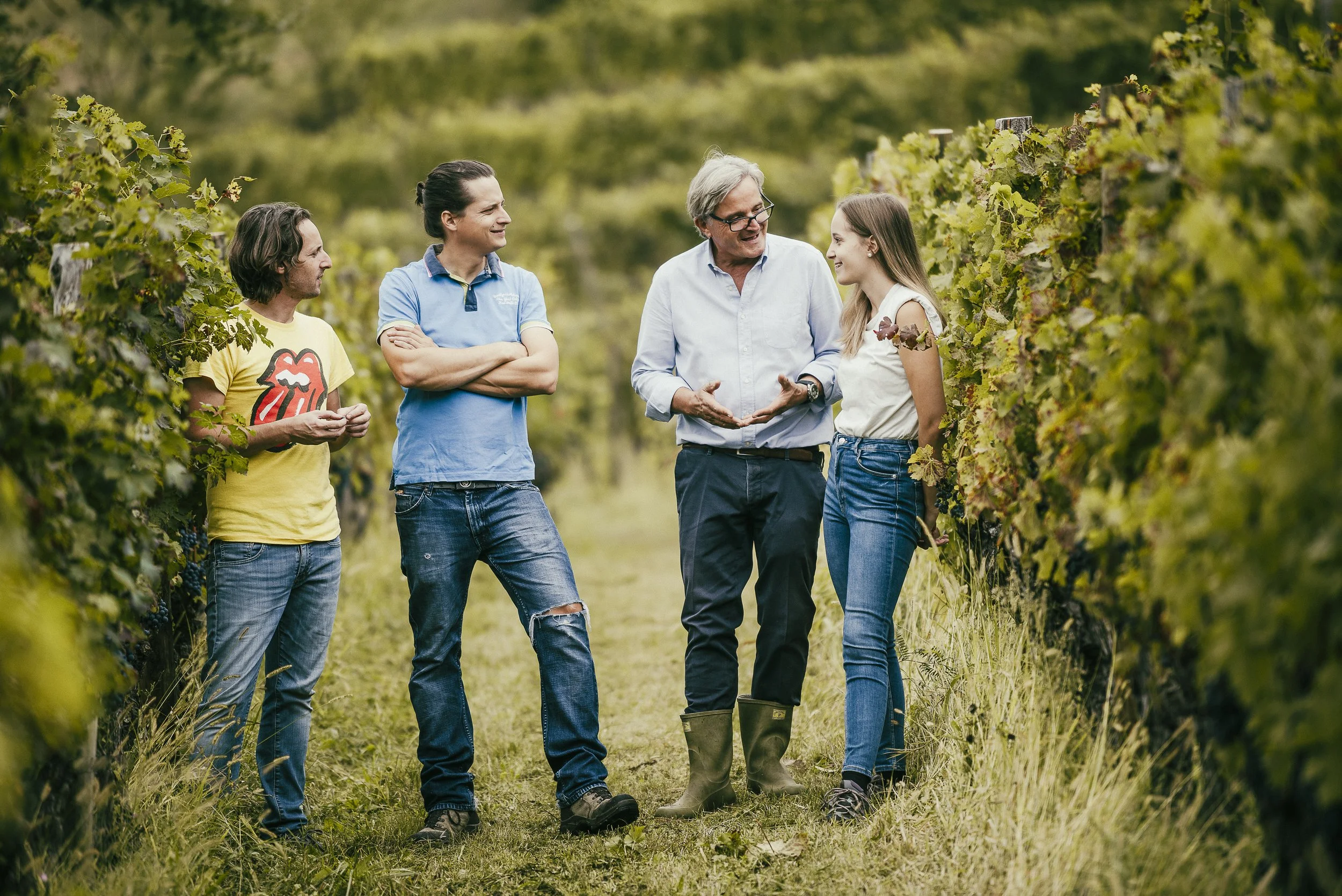
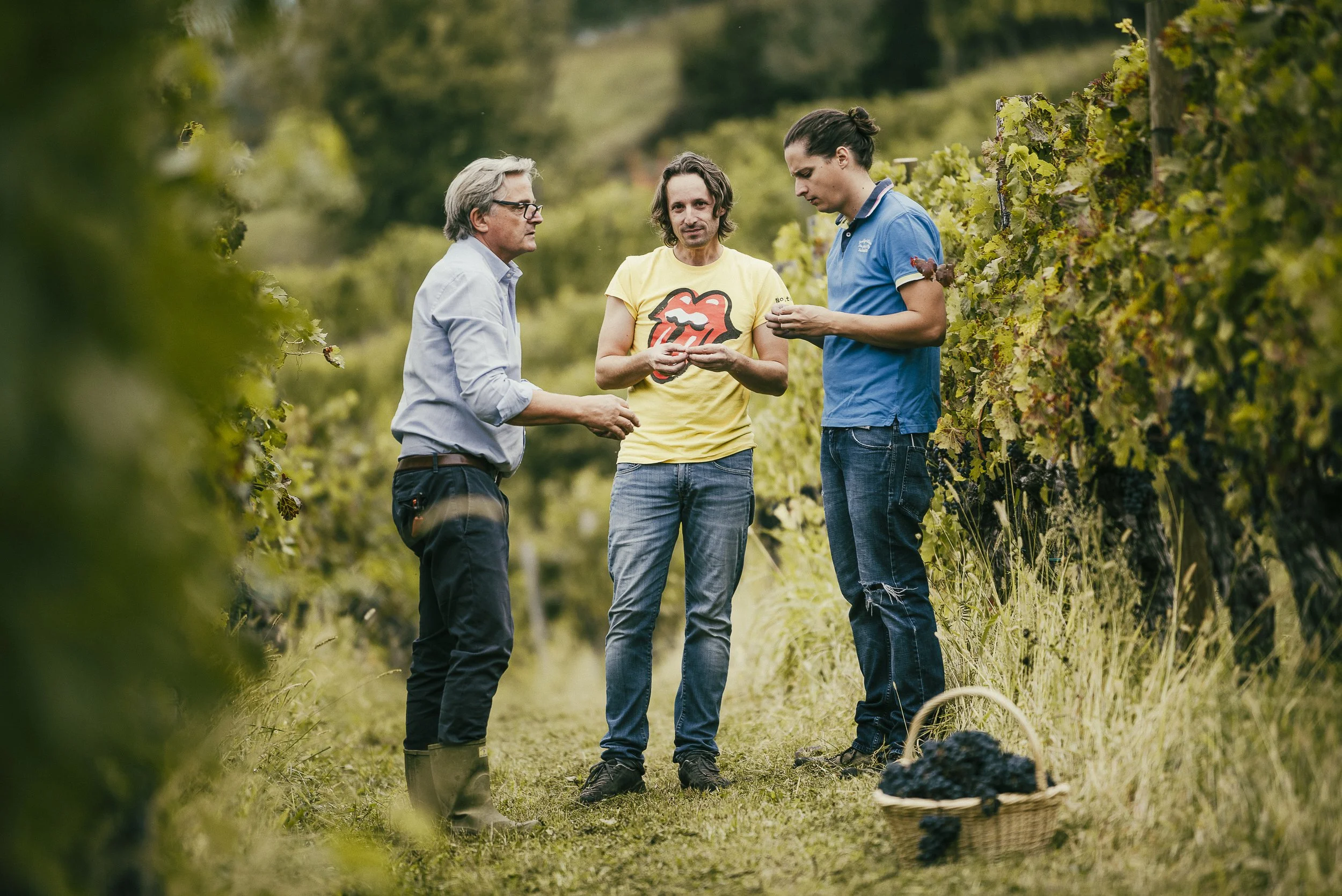
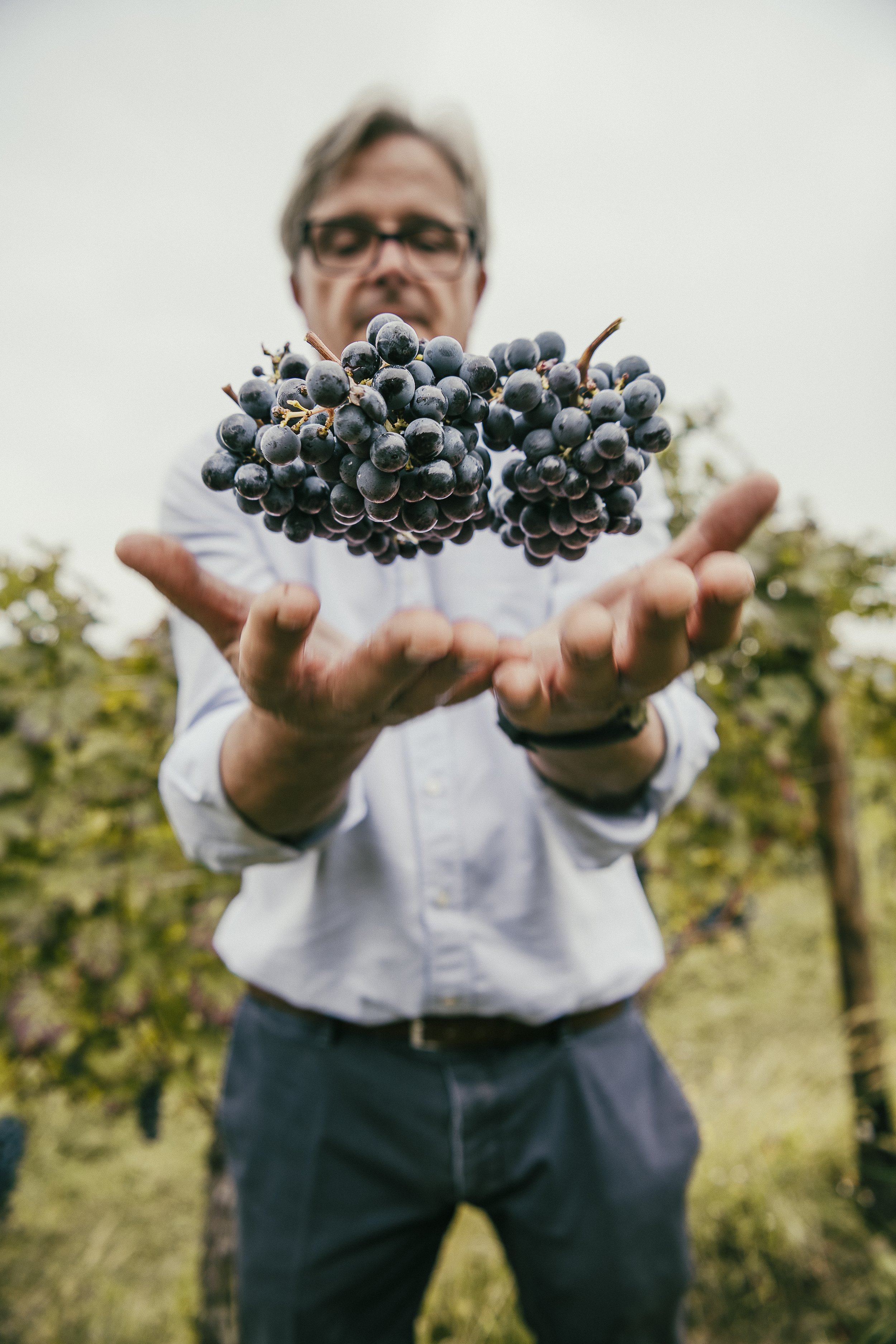
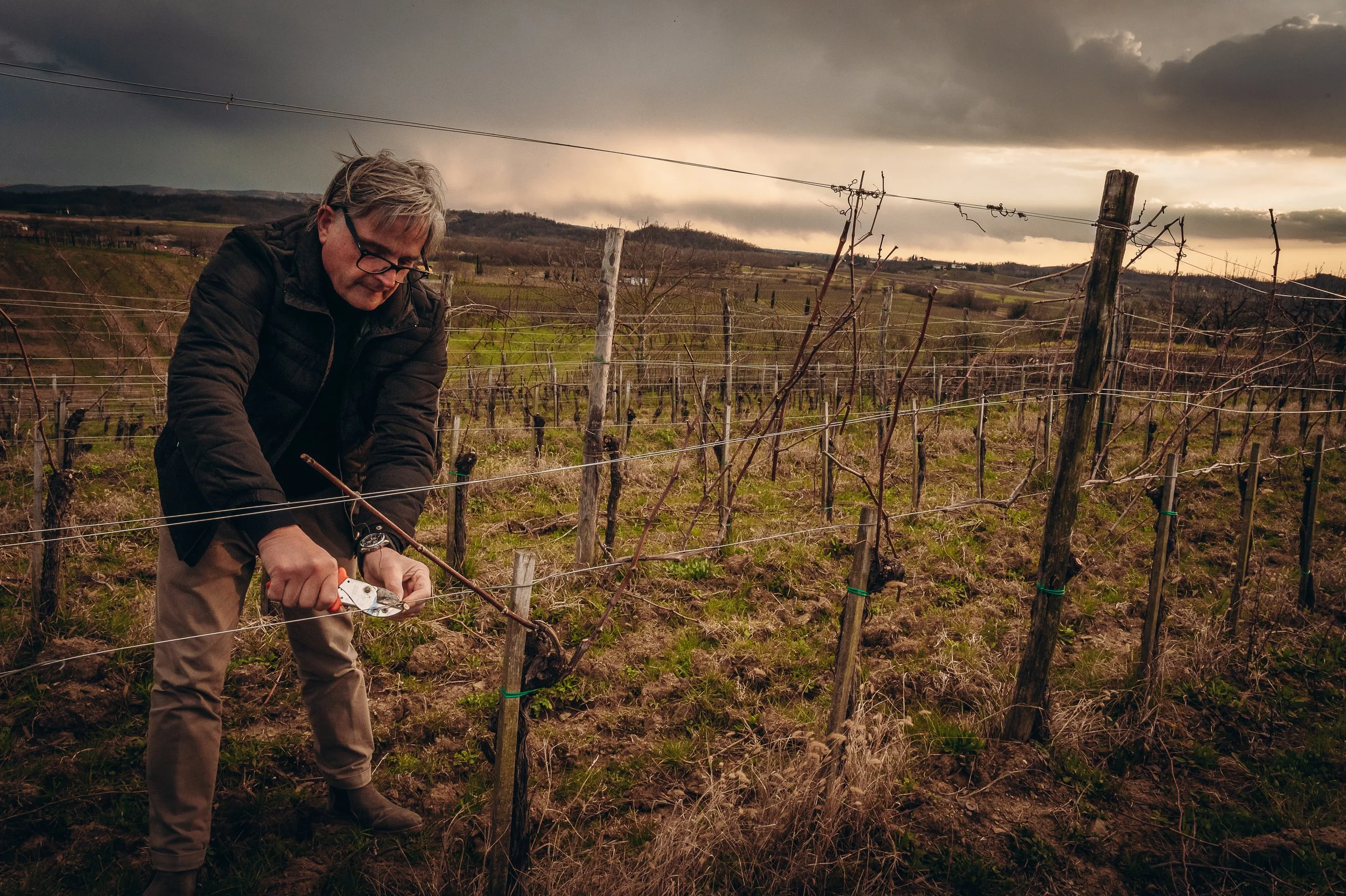
In 2010, Boleslav’s sons, Tjaš and Peter, took over both vineyard work and winemaking, moving production into their own facility and ushering in MULIT’s modern era. After a decade of focused effort, they incorporated vineyards inherited from their mother’s side. These parcels—marked by denser soils and pronounced day-night temperature shifts—ripen more slowly. For the first time, the brothers chose to bottle single-varietal wines from Chardonnay and Merlot.
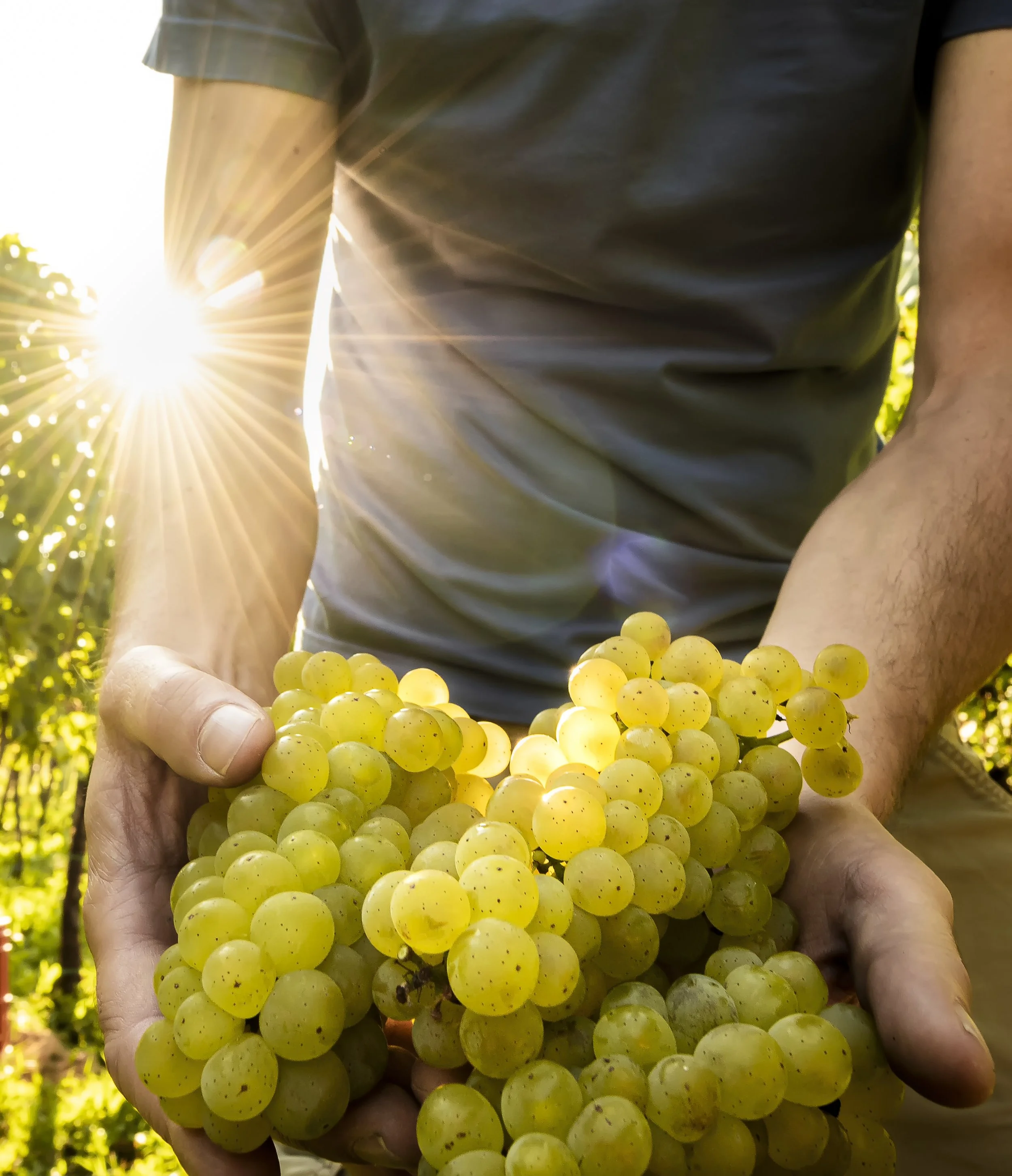
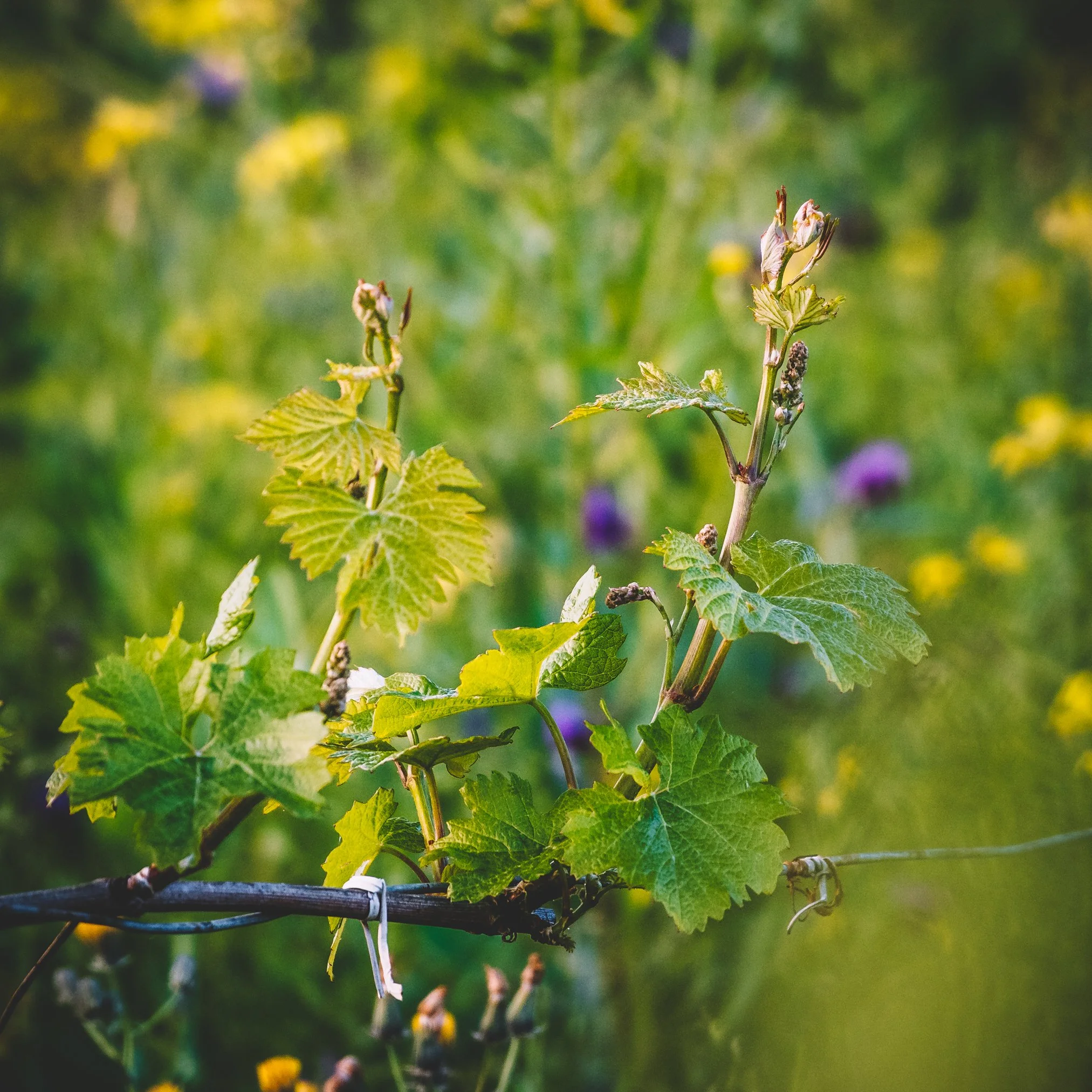
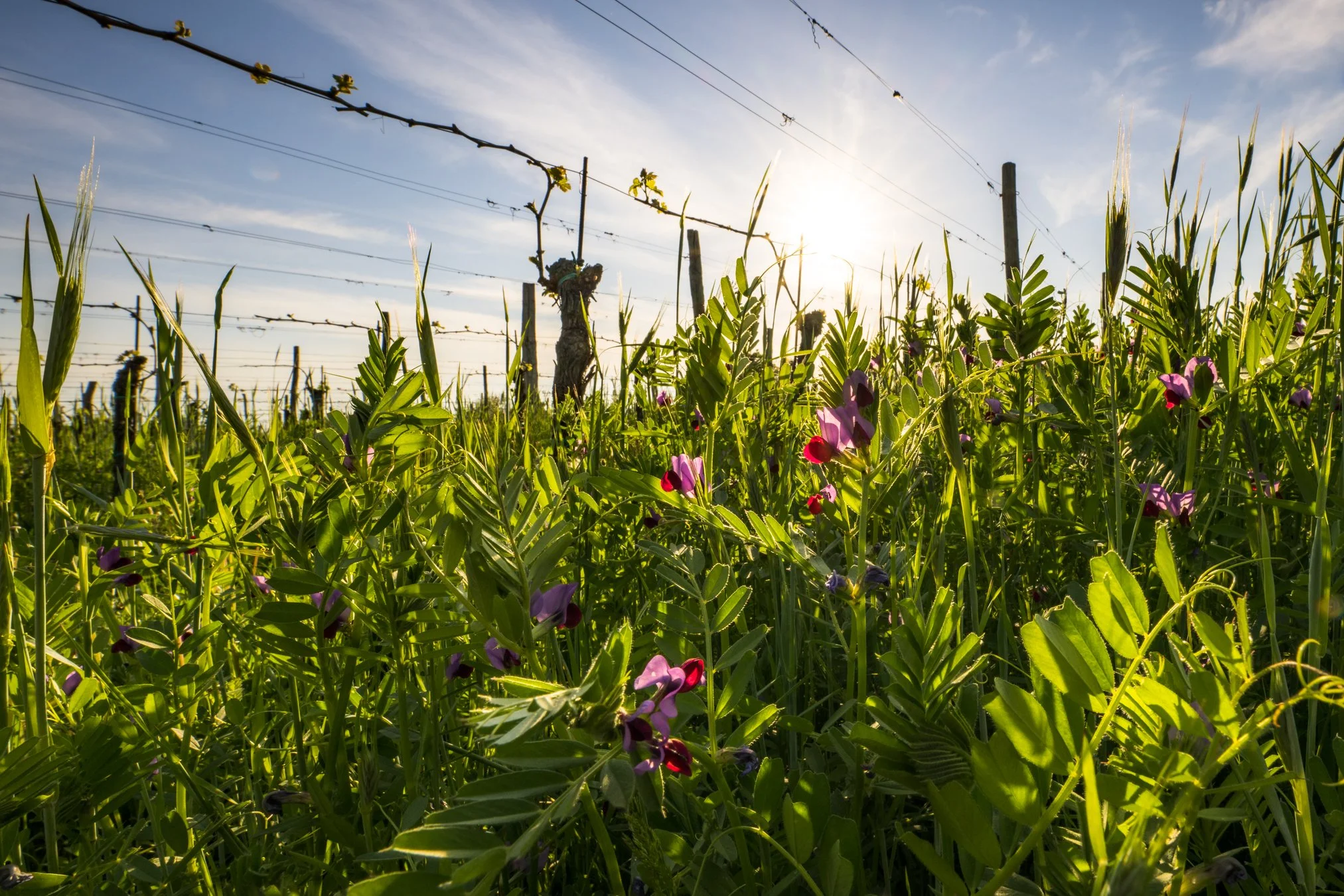
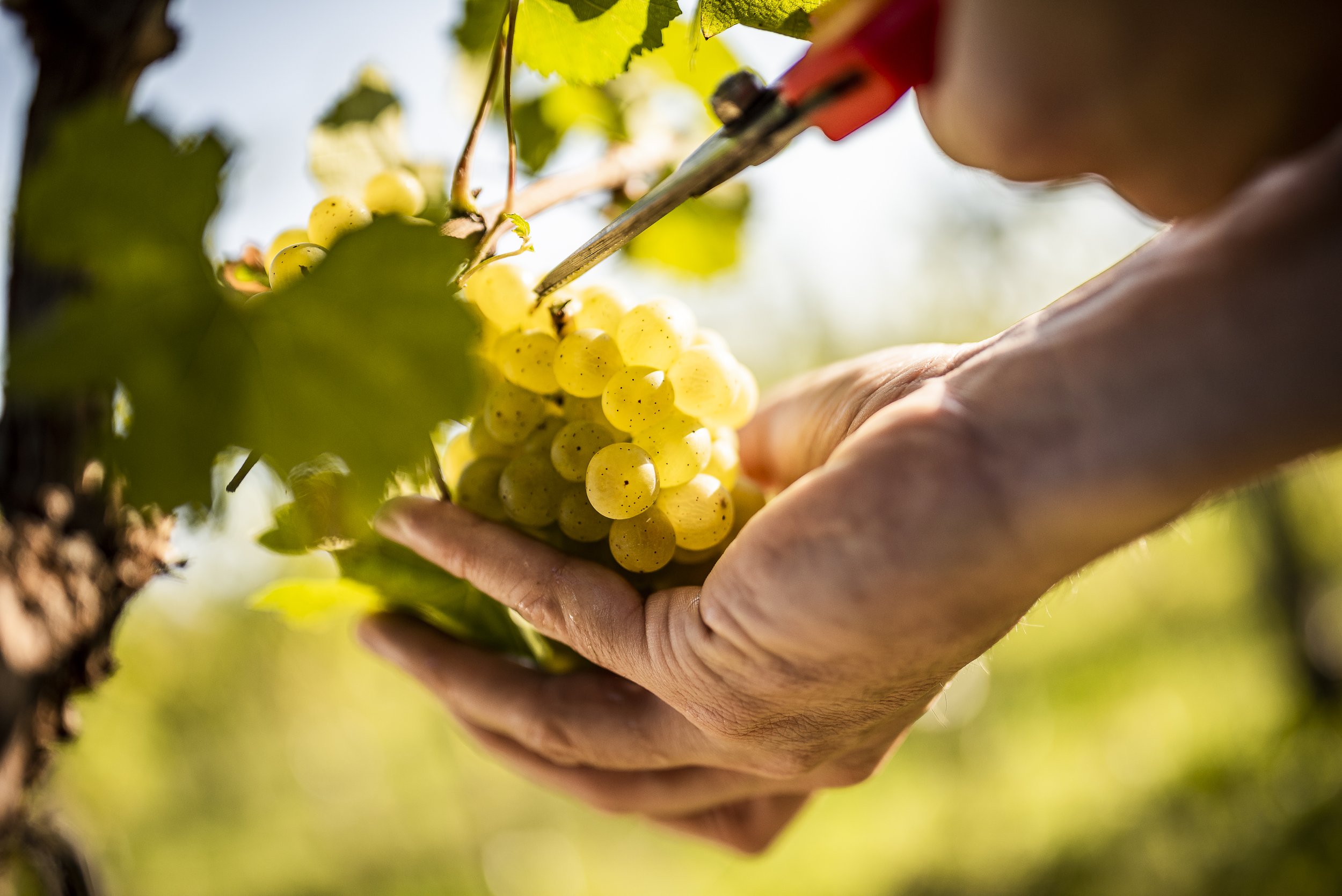
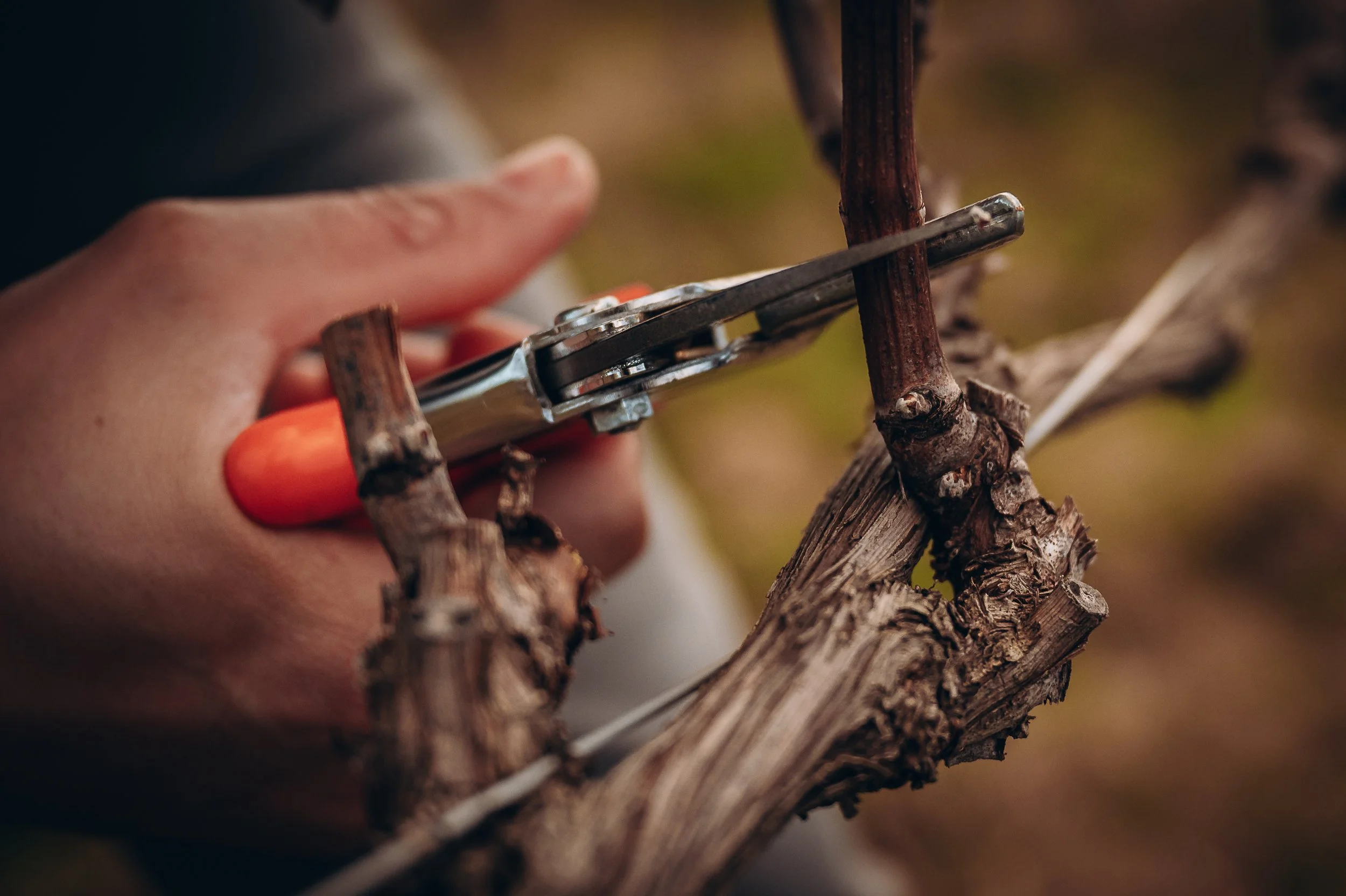
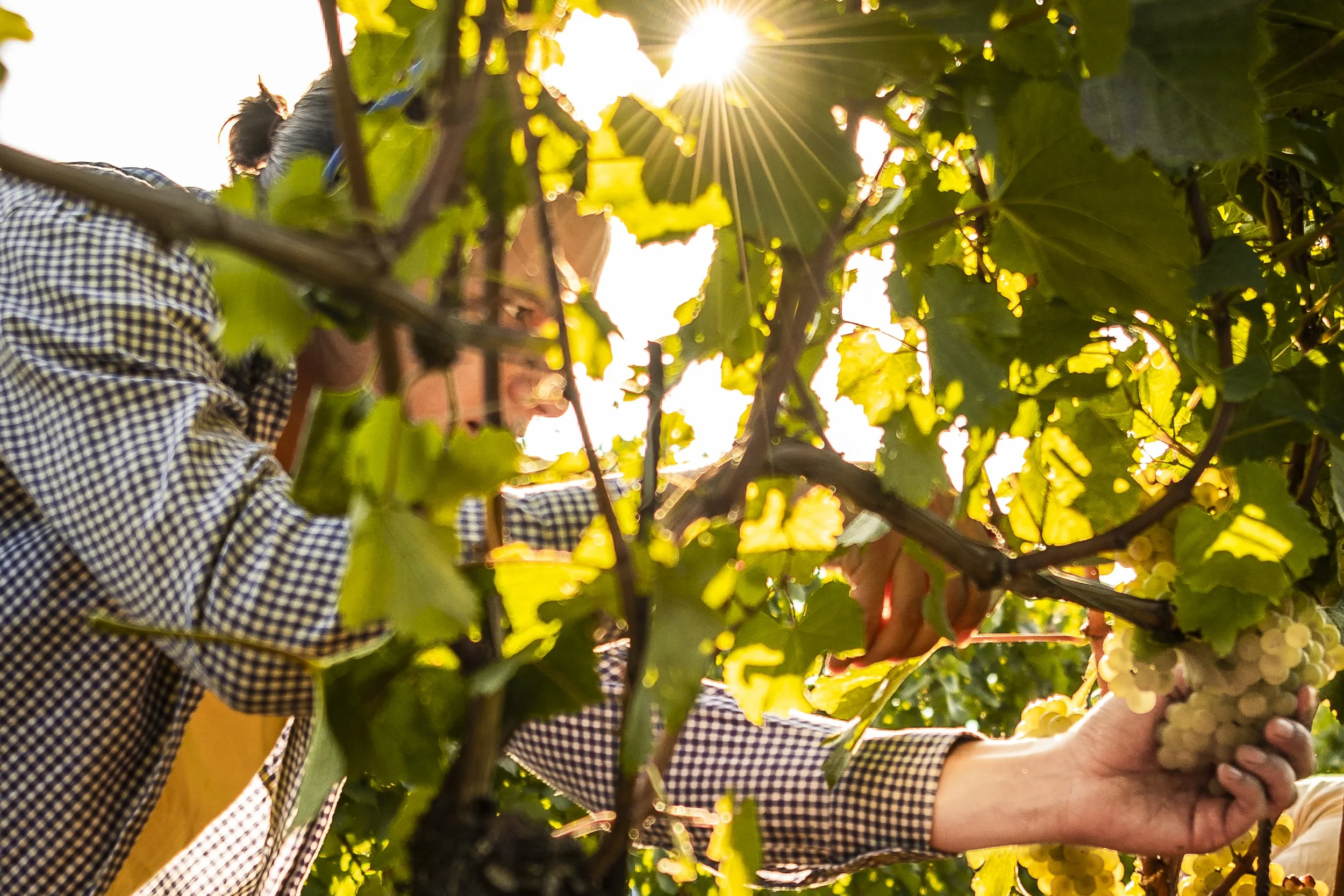
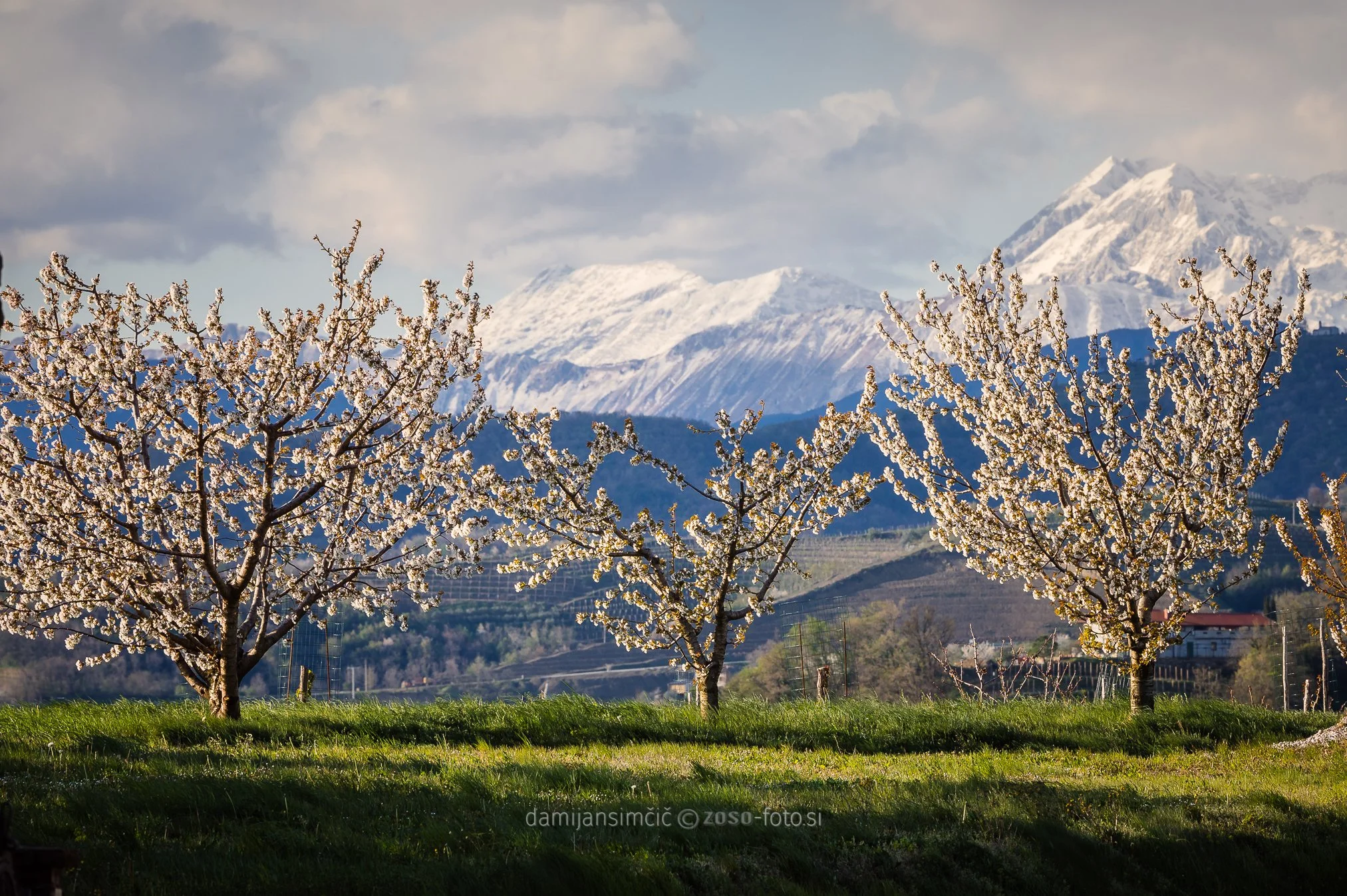
The family has always farmed with a careful hand. Each parcel is worked individually, with their approach shifting subtly to match the character of the vintage. They are strong believers in biodiversity and maintain a mixed agricultural landscape of fruit trees, olives, and managed woodland. Cover crops, minimal tillage, and steady improvements to organic matter reflect the estate’s view that viticulture should be part of a living ecosystem, never an isolated monoculture.
When we asked Tjaš and Peter to sum up their work, they said:
“We advocate for variety and diversity, believing that the whole becomes greater than the sum of its individual parts. We look for shades, nuances, and subtle harmonies that lead to an authentic, naturally genuine taste. The winery remains deliberately small—almost ‘garage-style’—allowing us to focus on small-lot vinification and precision from each individual site.”
Looking ahead, the brothers hope to keep contributing through knowledge-sharing, sustainable farming, and wines that speak truthfully of their origin. We couldn’t be more excited to be a part of that journey.
The Wines
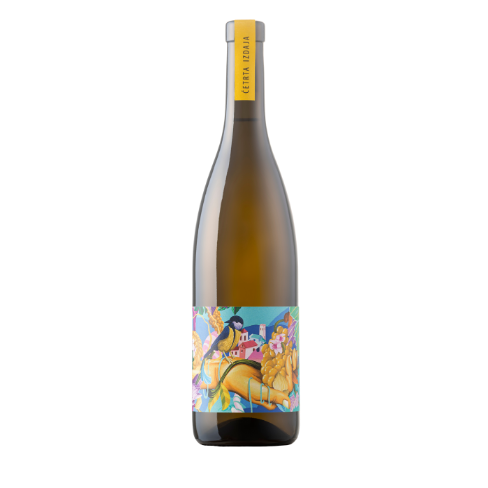
Chardonnay